Best AI Optimization Platforms for Global Coverage in 2026: 8 Platforms Compared
Compare the best ai optimization platforms global coverage in 2026, tracking brand visibility across AI answers, regions, languages and models worldwide.
- Editor's choice
 Profound
Enterprise global tracking
Starts atSee websiteVisit profound.comFull review - Great alternative
 Peec AI
Multi-country prompt tracking
Starts atSee websiteVisit peec.aiFull review - Also consider
 Scrunch
Content and citation action
Starts atSee websiteVisit scrunch.comFull review
TL;DR:
- Profound and Peec AI lead for teams that need prompt tracking across many countries and languages in one dashboard.
- Scrunch stands out for content teams that want to turn AI citations into clear next steps for pages and articles.
- Otterly AI is a practical entry point for smaller brands that need multi-model tracking without enterprise pricing.
- Global coverage is only useful if prompts, languages, and regions match real customer questions, so test with local prompts first.
- Citation data changes fast, so weekly checks and source audits matter more than a single snapshot score.
Quick comparison
| Tool | Best for | Starts at | Free plan? | |
|---|---|---|---|---|
| Profound | Enterprise global tracking | See website | No | Visit |
| Peec AI | Multi-country prompt tracking | See website | Free trial | Visit |
| Scrunch | Content and citation action | See website | Free trial | Visit |
 Otterly AI | Small brand AI visibility | See website | Free trial | Visit |
 Goodie AI | Brand and competitor tracking | See website | Free trial | Visit |
 Brandlight | AI brand intelligence | See website | No | Visit |
 Semrush AI Toolkit | SEO teams adding AI tracking | See website | Free trial | Visit |
 Ahrefs Brand Radar | Backlink teams adding AI mentions | See website | Free trial | Visit |
The best ai optimization platforms global coverage
AI answers now shape how people discover brands in many countries, and the wording can differ by language, location, and model. The platforms below track prompts, citations, and brand mentions across regions so teams can see where they appear and where they are missing.
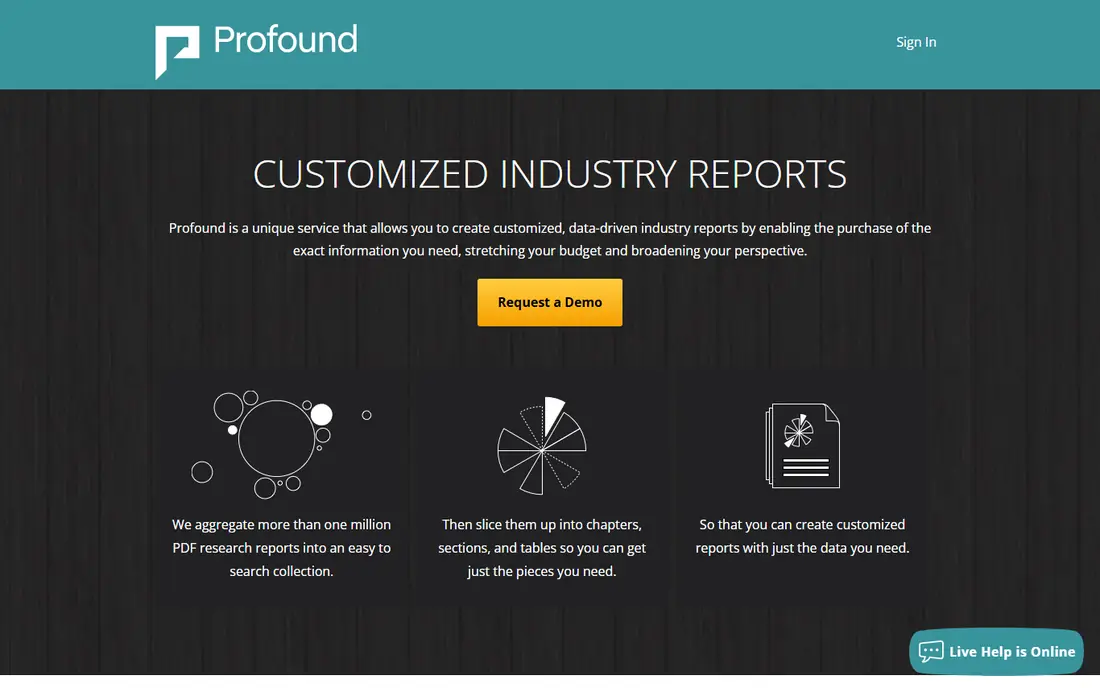
Profound is built for brands that need a consistent view of AI visibility across markets. Teams can track prompts tied to products, categories, and competitors, then compare results by model and region. Citation tracking shows which sources AI answers draw on, which helps content teams decide where to earn links and improve pages.
The main drawback is access. Pricing is not published as a simple starter plan, and onboarding a large global prompt set takes planning. Smaller teams may find the cost hard to justify. For enterprises with many markets and a clear AI search budget, Profound gives one of the most complete global views available.
- Broad model and prompt coverage
- Strong enterprise reporting
- Competitor and citation tracking
- Pricing is quote-based
- Setup takes time for large prompt sets

Peec AI focuses on making AI visibility easy to read. You enter prompts, add competitors, and watch how often your brand appears in answers and how it ranks against others. Regional settings let teams test the same topic in different countries, which exposes gaps where a brand is strong at home but invisible abroad.
Coverage is not identical in every language, so teams should check which models and regions are supported for their markets before buying. The interface is cleaner than many enterprise tools, which helps smaller marketing teams act on the data. For global brands that want prompt-level detail without a heavy enterprise setup, Peec AI is a strong middle option.
- Tracks prompts across models and regions
- Clear visibility scoring
- Competitor comparison
- Depth varies by language and model
- Newer features change often
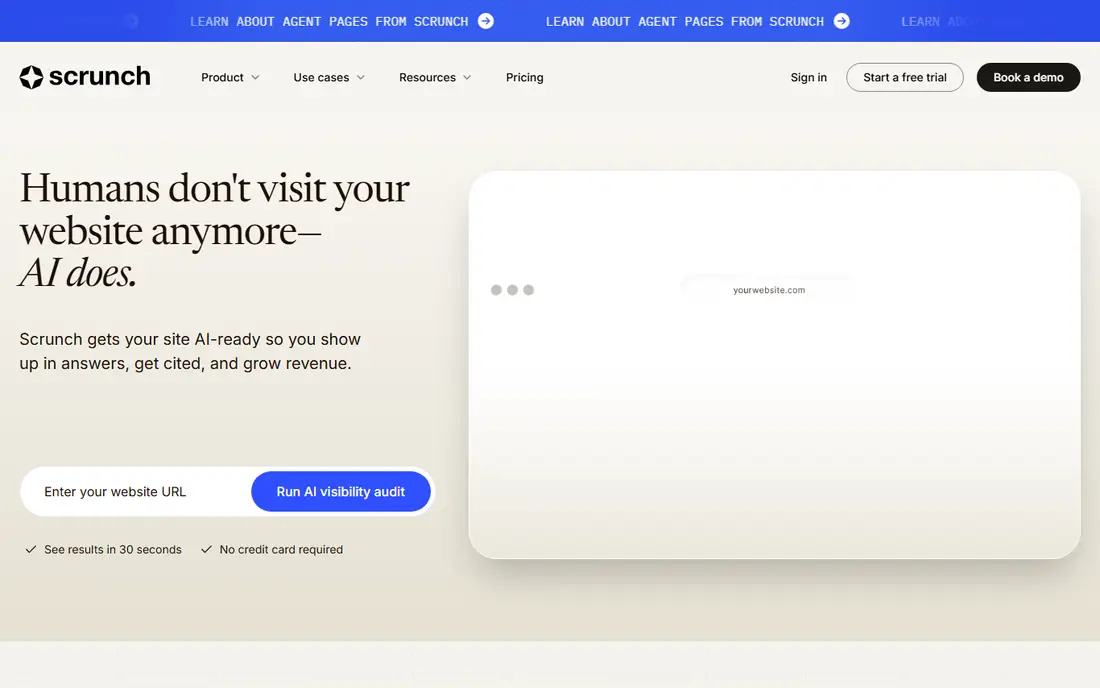
Scrunch connects AI answer tracking to the pages that can change the result. Instead of only showing a score, it highlights which sources are cited, which prompts your content misses, and where a rewrite or a new page could help. That link to action makes it useful for content teams that already publish often and need direction.
Teams that publish rarely will get less from it, since gains come from updating sources and pages over time. Pricing also requires a sales conversation for larger plans, which can slow a quick purchase. For brands with an active content program and global pages to maintain, Scrunch turns tracking into a work list rather than a report that sits unread.
- Links AI visibility to content actions
- Tracks citations and sources
- Team-friendly reporting
- Pricing is not public for all tiers
- Best value needs regular content work
Otterly AI is a good first step for a small brand that wants to know whether AI tools mention it at all. Setup takes minutes, prompts are easy to add, and results show brand mentions, links, and competitor standing across major models. The simple dashboard suits owners and small marketing teams who do not have time for complex configuration.
The trade is depth. Large enterprises that need many languages, regions, and custom reports will outgrow it faster. Regional coverage also needs checking for smaller markets. For a first global check across main English-speaking markets and major models, Otterly AI gives a clear answer at a lower cost than enterprise platforms.
- Simple setup
- Tracks major AI models
- Affordable entry point for small teams
- Less depth than enterprise tools
- Regional coverage is narrower
Goodie AI tracks how brands show up in AI-generated answers and compares that presence with competitors. Teams can follow prompts over time, spot when a rival gains ground, and share reports with stakeholders who need a simple summary. The focus on brand presence, rather than only keyword rank, fits PR and brand teams as well as SEO teams.
Because the category is new, coverage and features shift often, so buyers should trial the exact models and regions they care about. Public pricing is also limited, which makes budgeting less direct. For teams that want a brand-first view of global AI answers, Goodie AI is worth a trial alongside a more technical tool.
- Brand monitoring across AI answers
- Competitor benchmarks
- Shareable reports
- Newer platform with evolving coverage
- Pricing details need confirmation
Brandlight positions itself as AI brand intelligence, tracking mentions, sentiment, and visibility across AI systems. That framing helps larger brands that need to know not just whether they appear, but how they are described. Reports can support brand, communications, and product teams that track reputation across markets.
Smaller teams will likely find the enterprise pricing and setup too heavy for a first tool. The platform also works best when paired with a content or PR plan that can respond to what the data shows. For global brands managing reputation in AI answers, Brandlight offers a broader intelligence view than a prompt tracker alone.
- Brand intelligence across AI platforms
- Sentiment and mention analysis
- Enterprise reporting
- Quote-based pricing
- Less suited to small budgets
Semrush added AI visibility tools to its established SEO platform, which is helpful for teams that already use it for search, content, and competitor research. AI tracking sits next to organic rankings, backlinks, and content audits, so teams can compare traditional search presence with AI answer presence in one place. That context helps decide where content investment will pay off.
The drawback is that AI coverage is one part of a broad suite, not a dedicated global AI platform. Teams that need deep prompt sets across many languages may still need a specialist tool. For SEO teams that want AI visibility without adding a separate vendor, the Semrush AI Toolkit is a practical addition.
- Pairs AI tracking with SEO data
- Large keyword and domain database
- Familiar workflow for SEO teams
- AI features are part of a larger suite
- Global AI coverage varies by plan
Ahrefs Brand Radar tracks brand mentions and AI-related visibility alongside its well-known backlink and keyword data. Teams that already study links and mentions can see whether AI answers cite the same strong sources, and where a brand is mentioned without a link. That link between mentions, links, and citations is useful for outreach and content planning.
AI tracking here is newer than in specialist platforms, so global prompt depth should be tested during a trial. Pricing follows Ahrefs plans, which can be a jump for a team that only wants AI tracking. For teams already paying for Ahrefs, Brand Radar adds a useful global AI layer without a new contract.
- Strong link and mention data
- Tracks brand across web and AI contexts
- Trusted SEO data
- AI brand tracking is newer
- Plans are priced for SEO teams
How we picked these
We compared official product pages, feature lists, and public pricing notes for AI visibility platforms that support multiple models and regions. We favored tools that track prompts, citations, and competitors, and we mixed enterprise platforms with lower-cost options for smaller brands. Because this category changes quickly, we marked pricing as See website where vendors do not publish a stable starter price, and we recommend a trial with your own prompts and markets before committing.
How to judge global coverage honestly
Start by listing the countries and languages where customers actually search for your products. A platform that covers 50 regions sounds strong, but it only helps if your key markets and languages are in that list. Add prompts in local wording, not just translated English, since people ask questions differently in each market.
Next, check which models are tracked in each region. ChatGPT, Perplexity, Google AI Overviews, and other systems do not give the same answers, and their reach varies by country. A tool that tracks one model deeply in one region and another model elsewhere can still be useful, but you should know the gaps before you report results to a team.
Finally, audit citations. Global coverage should show which sources AI answers rely on in each market, including local publishers, review sites, and official product pages. If your brand is cited in one country but not another, the fix may be local content, local partnerships, or translated pages, not more prompts in English.
FAQ
What does global coverage mean for AI optimization?
It means tracking how AI systems answer prompts in different countries, languages, and models, not just in one market. Coverage should include local prompts, regional settings, and the models people actually use in each place.
Which AI models should a global platform track?
At minimum, check ChatGPT, Perplexity, and Google AI features, plus any model that is popular in your key markets. Ask vendors which models they track per region, since coverage is not the same everywhere.
How often should I check AI visibility?
Weekly checks work for most brands, with daily checks during a launch or a reputation issue. AI answers change often, so a monthly snapshot can miss shifts in citations and competitor presence.
Can AI optimization replace traditional SEO?
No, it should sit alongside SEO. AI answers often cite pages that rank well and carry clear, factual content, so strong SEO, structured content, and earned links still support AI visibility.
How do I improve visibility in another country?
Publish local-language content, earn citations from trusted local sources, and keep product facts consistent across regions. Then track local prompts to see whether AI answers start citing those sources.
Is a specialist AI tool better than an SEO suite add-on?
A specialist tool usually gives deeper prompt and citation data across regions, while an SEO suite add-on is easier for teams already using that suite. Trial both with your own prompts before deciding.