Best Alternatives to Stripe Connect in 2026: 8 Payout Platforms Compared
Looking for alternatives to Stripe Connect for marketplaces? We compare 8 payout platforms for splits, compliance, seller onboarding, and global payments.

- Editor's choice
 PayPal Commerce Platform
Large global marketplaces with PayPal reach
Starts atSee websiteVisit paypal.comFull review - Great alternative
 Adyen for Platforms
Enterprise global payouts and unified commerce
Starts atSee websiteVisit adyen.comFull review - Also consider
 Mangopay
Marketplace e-wallets and European compliance
Starts atSee websiteVisit mangopay.comFull review
TL;DR:
- PayPal Commerce Platform and Adyen for Platforms suit large marketplaces that need global payments and split payouts.
- Mangopay and Hyperwallet focus on marketplace and platform payouts, with e-wallet and compliance tools built for that model.
- Dwolla and Rapyd fit US bank payouts and multi-currency use cases, but pricing and coverage vary by region and volume.
- This is not financial advice, and payout compliance, tax reporting, and fraud controls should be reviewed with your legal and finance team.
Quick comparison
| Tool | Best for | Starts at | Free plan? | |
|---|---|---|---|---|
| PayPal Commerce Platform | Large global marketplaces with PayPal reach | See website | No | Visit |
| Adyen for Platforms | Enterprise global payouts and unified commerce | See website | No | Visit |
| Mangopay | Marketplace e-wallets and European compliance | See website | No | Visit |
 Hyperwallet | Global payouts to sellers and workers | See website | No | Visit |
 Dwolla | US bank payouts through ACH | See website | No | Visit |
 Rapyd | Multi-currency payouts and local methods | See website | No | Visit |
 Mollie | European platforms and simple onboarding | See website | No | Visit |
 Payoneer | Cross-border seller payouts for global sellers | See website | No | Visit |
The best alternatives to Stripe Connect
Stripe Connect helps platforms split payments, onboard sellers, and pay out to connected accounts while handling much of the compliance work. The platforms below offer similar marketplace payout models with different strengths in geography, payment methods, and compliance support. We compared official product pages, payout features, onboarding tools, and supported regions. Prices for payout platforms depend on volume, region, and payment method, so check each vendor for a quote rather than assuming a flat rate.
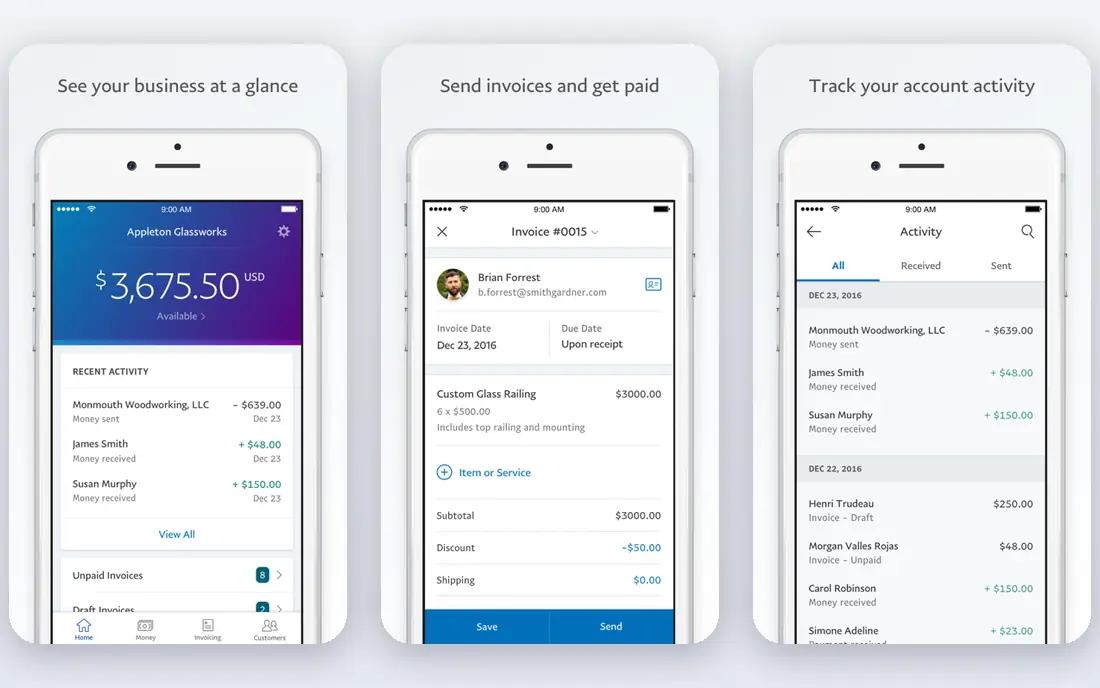
PayPal Commerce Platform suits marketplaces that want buyers to pay with a familiar brand. It supports marketplace onboarding, split payments, and payouts to sellers, plus PayPal wallet, cards, and local payment methods in many regions. For consumer marketplaces, that recognition can improve checkout completion, since many buyers already have PayPal accounts.
The trade-offs are cost complexity and account controls. Fees depend on transaction type, currency, and region, and sellers may face holds for risk reviews. Custom payout logic and branding are more limited than with a developer-first platform such as Adyen. If buyer trust and reach matter more than deep customization, PayPal Commerce is a strong Stripe Connect alternative.
- Huge buyer recognition and trust
- Marketplace onboarding and split payment tools
- Broad payment method support
- Fees vary by transaction type and region
- Account holds can affect sellers
- Customization is less flexible than some rivals

Adyen for Platforms serves large platforms that need payments and payouts across many countries from one provider. It supports marketplace onboarding, split payments, and payouts to sellers and service providers, with local payment methods and currencies in many markets. Its risk tools and reporting suit enterprises that need detailed control over funds flow and compliance.
Smaller platforms may find Adyen heavy. Pricing is custom and depends on volume and regions, and implementation needs developer time. Support and onboarding are geared to larger businesses. For an enterprise marketplace that wants a single global provider instead of patching regional vendors together, Adyen is a leading alternative.
- Global acquiring and payout network
- Strong fraud and risk tools
- Unified online and in-person payments
- Enterprise focus and pricing complexity
- Setup needs developer resources
- Smaller platforms may find onboarding heavy
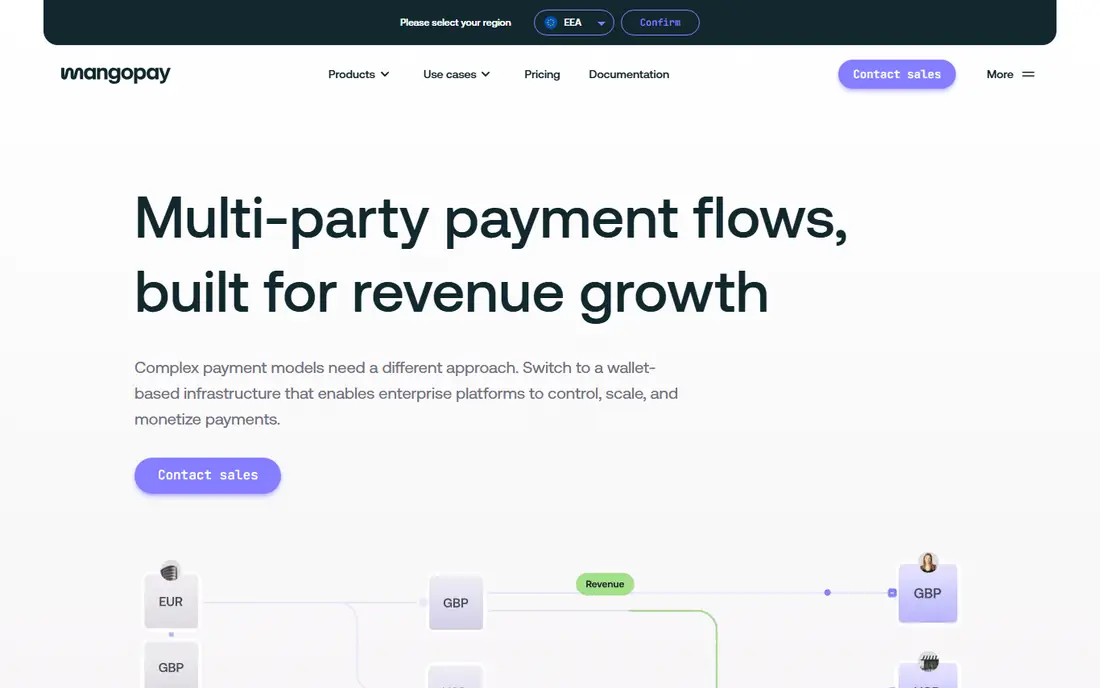
Mangopay was built for marketplaces, crowdfunding, and sharing economy platforms. Its e-wallet model lets platforms hold funds for sellers, split payments, handle refunds, and manage escrow-style flows where rules allow. That structure fits rental, freelance, and goods marketplaces that need clear separation of platform and seller funds. Its European regulatory experience also helps platforms operating under EU payment rules.
US-focused platforms should check coverage and payment methods carefully, since Mangopay strength is strongest in Europe. Pricing is quote-based, and integration needs developer work. For a European marketplace or a platform with complex wallet and escrow needs, Mangopay is a focused alternative to Stripe Connect.
- E-wallet infrastructure built for marketplaces
- Escrow and split payment support
- Strong European regulatory focus
- US coverage is narrower than PayPal or Adyen
- Pricing needs a quote
- Developer setup required
Hyperwallet, part of PayPal, focuses on paying people rather than processing buyer checkout. Platforms use it to pay sellers, creators, gig workers, and suppliers through bank transfers, cards, and wallets in many countries. It offers payout tracking, tax form support in supported regions, and compliance checks that help platforms manage global payees.
Because Hyperwallet is payout-focused, many platforms pair it with a separate checkout provider. That adds integration work but gives flexibility in payout methods. Pricing depends on payout volume and destination, so request a quote for your main corridors. For platforms whose main pain is paying many people across borders, Hyperwallet is a practical choice.
- Payouts to bank accounts, cards, and wallets in many countries
- PayPal-owned payout network
- Tax and compliance tools
- Payout-focused, not a full checkout platform
- Pricing is quote-based
- Setup varies by payout method
Dwolla suits US platforms that pay sellers, contractors, or users mainly through bank accounts. Its API supports ACH transfers, account verification, and transfer tracking, which fits payroll-style payouts, rental platforms, and financial apps. For US-only use cases, ACH can be cheaper than card payouts, though timing is slower.
Global payouts are not Dwolla main strength, so international platforms will need another provider for non-US payees. Compliance, verification, and bank account setup also need care. If your platform pays mostly US bank accounts and you want an API-first payout tool, Dwolla is a focused Stripe Connect alternative.
- US ACH bank transfers at scale
- API-first design for platforms
- Clear account and transfer controls
- US-focused, with limited global payout options
- Bank transfer timing is slower than cards
- Compliance setup needed
Rapyd helps platforms accept and send payments across many countries using local methods, cards, bank transfers, and wallets. Its payout tools support multiple currencies, which helps marketplaces with sellers in different regions. Virtual accounts and card issuing options add flexibility for platforms that manage funds across borders.
Coverage and fees differ by corridor, so a method that works well in one country may be limited in another. Developers should test the specific payout routes they need before committing. For a global platform that needs local payment methods beyond cards and PayPal, Rapyd offers broad reach that few single providers match.
- Broad local payment methods and currencies
- Virtual accounts and cards for payouts
- Global coverage in many markets
- Pricing and coverage vary widely by corridor
- Platform features need developer review
- Support quality varies by region
Mollie is popular with European small and mid-size platforms for its simple signup, clear dashboard, and support for methods such as iDEAL, Bancontact, and SEPA transfers beside cards. Its platform tools support split payments and marketplace onboarding in supported regions, which makes it a good fit for EU shops, booking platforms, and service marketplaces.
US platforms will find Mollie less complete for domestic payouts, and split payment features need a plan check. Fees vary by payment method, so compare the methods your buyers actually use. For a European platform that values simplicity and local methods, Mollie is a friendly alternative to Stripe Connect.
- Easy onboarding for European businesses
- Many European payment methods
- Clear dashboard and API docs
- Strongest in Europe, with limited US marketplace depth
- Payout splits need plan review
- Fees vary by method
Payoneer helps sellers and freelancers receive cross-border payments and withdraw to local banks or cards. Marketplaces partner with Payoneer to pay sellers in many countries, especially where local banking is complex. Multi-currency accounts let sellers hold funds in major currencies and withdraw in local currency, which reduces friction for global sellers.
Payoneer is not a full checkout and split payment platform in the same way as Stripe Connect, so platforms often use it for payouts beside a checkout provider. Fees vary by method and currency, and verification can be strict for new accounts. For platforms with many international sellers who need reliable cross-border payouts, Payoneer is a useful option.
- Accounts in multiple currencies for sellers
- Payouts to banks and cards in many countries
- Marketplace partnerships
- More seller-focused than platform checkout
- Fees vary by payout method
- Account verification can be strict
How we picked these
We compared official product pages, payout features, onboarding tools, and regional coverage for platforms that support marketplace splits, seller onboarding, or global payouts. We favored providers with clear documentation, compliance tools, and active marketplace use. We did not claim hands-on testing; our comparison rests on public product pages, pricing pages, and developer documentation. Payout pricing depends on volume and region, so we list See website where a flat price would mislead readers.
What to check before switching payout providers
Map your funds flow first. List who pays, who gets paid, when funds are released, and which currencies and countries matter. Check whether you need escrow-style holding, instant payouts, or scheduled payouts, since not every provider supports all models in all regions. Review tax reporting, identity verification, and fraud controls, and involve your legal and finance team early.
Test onboarding with real seller profiles before you migrate. A provider that looks simple in docs may add friction for sellers in specific countries. Compare total cost, not just headline fees, including currency conversion, payout method fees, and chargeback handling. Finally, plan a phased migration with a rollback option, since payout changes affect seller trust directly.
FAQ
What is Stripe Connect?
Stripe Connect is a Stripe product that lets platforms onboard sellers or service providers, split payments, and pay out to connected accounts. It handles much of the identity verification, compliance, and payout infrastructure for marketplaces. Alternatives on this list offer similar split and payout models with different regional strengths.
Which Stripe Connect alternative is best for global marketplaces?
Adyen for Platforms and PayPal Commerce Platform offer the broadest global coverage among the options here. Mangopay suits European marketplaces with wallet needs, while Rapyd and Hyperwallet help with local methods and global payouts. Choose based on your main seller countries, not on global claims alone.
Can I use more than one payout provider?
Yes, many platforms use one provider for checkout and another for payouts, or split payouts by region. That approach adds integration work and reconciliation complexity, but it can improve coverage and cost. Keep a single source of truth for payout records to avoid accounting errors.
How much do Stripe Connect alternatives cost?
Costs vary by transaction volume, payment method, currency, and region, so most providers offer custom quotes rather than a single flat price. Request quotes based on your actual payment mix and payout corridors. Compare currency conversion and payout method fees beside transaction fees.
Do these platforms handle tax reporting?
Many providers offer tax form support and payout reporting in supported regions, but coverage varies by country and seller type. Review each provider tax documentation and confirm requirements with your tax advisor. Platforms remain responsible for their own tax compliance in most cases.