Best Alternatives to Intercom Systems in 2026: 8 Video Systems Compared
Looking for alternatives to intercom systems? We compare 8 video intercom systems for homes and buildings on hardware, apps, and access control in 2026.
- Editor's choice
 ButterflyMX
Multi-unit buildings with app entry
Starts atSee websiteVisit butterflymx.comFull review - Great alternative
 Aiphone
Wired systems for schools and offices
Starts atSee websiteVisit aiphone.comFull review - Also consider
 2N
Open SIP video intercom hardware
Starts atSee websiteVisit 2n.comFull review
TL;DR:
- This guide covers physical video intercom systems for homes, apartments, and offices, not chat software for customer support.
- ButterflyMX and Swiftlane suit multi-unit buildings that want app-based entry, visitor logs, and package handling.
- Aiphone and 2N suit schools, offices, and larger buildings that need wired, durable hardware and open standards.
- DoorBird and Ring suit single homes and small properties that want video entry without a building-wide system.
- Most commercial systems are quoted per door and per building, so compare installed cost and any monthly service fee together.
Quick comparison
| Tool | Best for | Starts at | Free plan? | |
|---|---|---|---|---|
| ButterflyMX | Multi-unit buildings with app entry | See website | No | Visit |
| Aiphone | Wired systems for schools and offices | See website | No | Visit |
| 2N | Open SIP video intercom hardware | See website | No | Visit |
 DoorBird | Premium homes and retrofits | See website | No | Visit |
 Verkada Intercom | Cloud-managed multi-site buildings | See website | No | Visit |
 Swiftlane | Touchless office and residential entry | See website | No | Visit |
 Comelit | Design-led residential systems | See website | No | Visit |
 Ring Video Doorbell | Single homes and small properties | See website | No | Visit |
The best alternatives to intercom systems
A modern intercom system is no longer just a buzzer by a door. It combines a video door station, a mobile app, access control, and visitor logs, and the right system depends on whether you are securing one home, one office, or a whole apartment building.

ButterflyMX is the leading app-first choice for US apartment and condo buildings. Residents answer video calls on their phones, grant entry to visitors and couriers, and manage package deliveries, while property managers get visitor logs and integrations with systems such as Yardi and AppFolio. Its video panels are designed for building entrances and lobbies.
The main drawback is cost and dependence on the cloud. Panels and installation are a significant investment, and ongoing service fees apply per unit. For a multi-unit building that wants a modern resident experience and is willing to pay for it, ButterflyMX is a strong standard. For a single home, it is more system than needed.
- App-based entry for residents and visitors
- Video panels for building entrances
- Property management integrations
- Pricing is quote-based and varies by building
- Cloud-dependent, so internet outages need a fallback plan
- Hardware cost per entrance is high
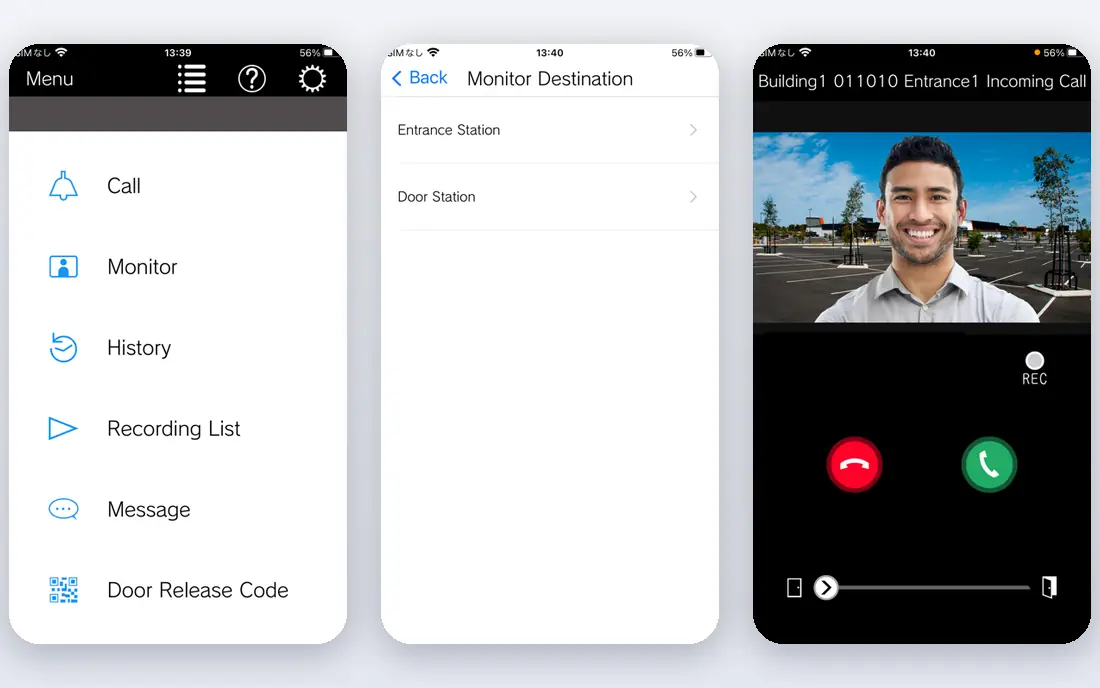
Aiphone is the workhorse pick for schools, hospitals, offices, and government buildings. Its wired IP video systems are known for durability and for scaling to thousands of stations, with integration to access control and security systems. When reliability and longevity matter more than a slick consumer app, Aiphone is hard to beat.
The trade-off is user experience. Aiphone's mobile app works, but it is not as polished as ButterflyMX or Swiftlane, and its systems are best installed by a professional dealer. For an institutional buyer planning a long-life system, that trade is acceptable. For a small residential building that wants app-first entry, a cloud platform may feel more modern.
- Long track record in commercial and institutional buildings
- Durable wired hardware
- Scales to very large installations
- Mobile app experience is secondary to hardware
- Installation usually needs a professional
- Pricing is quote-based
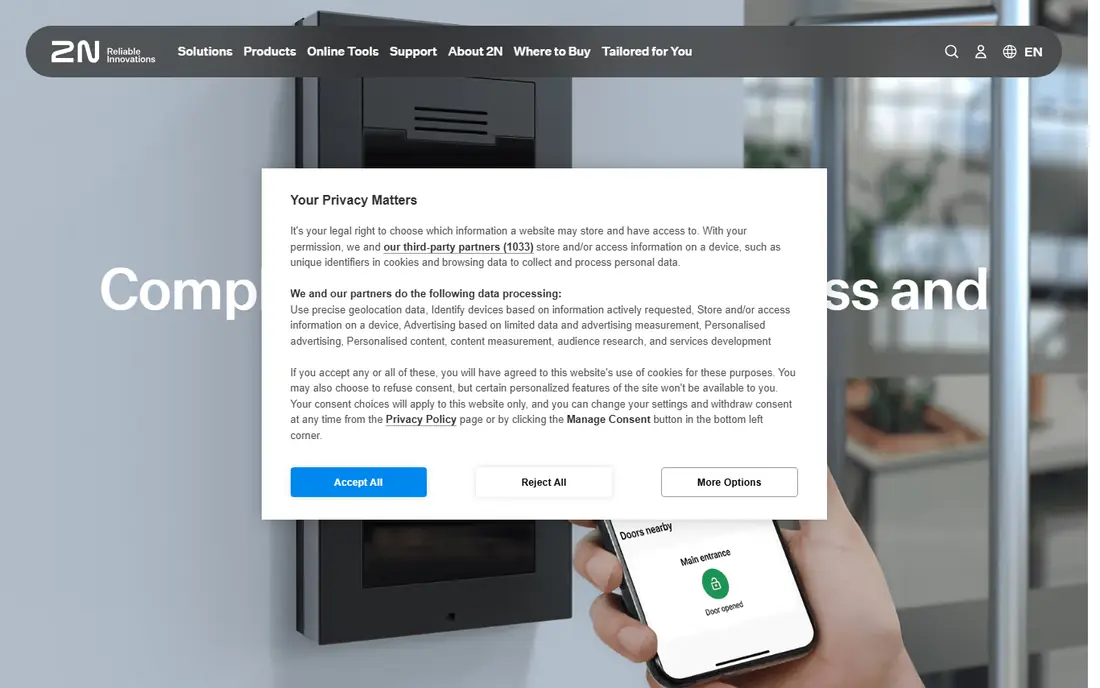
2N, now part of Axis, makes IP video intercom hardware for offices, hotels, and multi-unit buildings. Its open SIP approach lets it integrate with many phone systems and access platforms, which suits buyers who do not want to be tied to one vendor's cloud. Its vandal-resistant models suit high-traffic entrances where durability is essential.
2N hardware is a premium purchase, and larger installations benefit from a professional integrator. Buyers should also check model generations, since older 2N models have reached end of sale in 2026 and newer versions replace them. For an enterprise or integrator-led project, 2N offers flexibility that closed cloud systems do not.
- Open SIP standards for PBX and phone integration
- Vandal-resistant models for exposed entrances
- Axis backing for enterprise buyers
- Hardware prices run high
- Setup needs an integrator for larger systems
- App experience varies by model
DoorBird is a premium choice for single homes and small properties. Its IP video door stations are well built and weather resistant, with modular options for keypads, displays, and fingerprint readers. Smart home integration, including HomeKit support on some models, appeals to homeowners who already run a connected home.
DoorBird is less suited to large multi-tenant buildings that need cloud management, visitor logs, and property software integration. It also costs more than a consumer video doorbell. For a homeowner who wants a durable, attractive video intercom that fits a smart home, DoorBird is an excellent pick.
- High build quality
- Open API and smart home integration
- Weather-resistant modular stations
- Hardware cost is high for a single home
- Multi-tenant software is limited
- Installation can need professional help
Verkada Intercom suits organizations that already use Verkada cameras and access control. It adds video intercom to the same cloud dashboard, so a security team can manage doors, cameras, and entry from one place across many sites. That unified view is valuable for schools, offices, and retail chains with multiple locations.
The cost is premium, with hardware plus ongoing licensing per device, and the system works best inside the Verkada ecosystem. A buyer who wants open hardware or a single-door home system should look elsewhere. For an enterprise security team standardizing on Verkada, its intercom is a natural extension.
- One cloud platform for cameras, access, and intercom
- Centralized management for many sites
- Strong fit for enterprise security teams
- Premium pricing
- Licensing fees per device
- Vendor lock-in to the Verkada platform
Swiftlane focuses on touchless entry for offices and residential buildings. Residents and staff can enter with a phone or face recognition, visitors can be verified by video, and managers get logs and access controls in a modern app. For an office lobby that wants a clean, contact-free entry experience, Swiftlane feels current.
Face recognition needs careful handling. Buildings should review local biometric privacy rules, consent, and data retention before enabling it, and offer a phone-based alternative for residents who prefer it. With those checks done, Swiftlane is a strong modern alternative for mid-size buildings and offices.
- Face recognition and mobile entry options
- Polished resident and visitor app
- Modern design for lobbies
- Face recognition raises privacy questions to review
- Installer network is smaller than Aiphone
- Pricing is quote-based
Comelit is an Italian intercom maker with a long residential heritage. Its systems cover single homes through multi-unit buildings, with a focus on design and build quality that suits architects and developers. Wired and IP ranges give installers flexibility for new builds and retrofits.
In the US, Comelit has a smaller dealer network than ButterflyMX or Aiphone, so buyers should confirm local support before committing. App and cloud features also vary by product range, so check the exact model. For a design-led residential project, especially one with European styling, Comelit is a refined choice.
- Strong design heritage for residential buildings
- Wired and IP options
- Good fit for European-style multi-unit projects
- Smaller US dealer footprint than ButterflyMX or Aiphone
- App and cloud features vary by range
- Pricing is quote-based
Ring Video Doorbell is the simplest entry point on this list. A homeowner can install it, answer visitors from a phone, and get motion alerts without a building-wide system or a professional installer. Its app ecosystem and smart home links make it easy to add cameras, chimes, and locks over time.
Ring is not a multi-unit building system. It lacks the directory, visitor management, and property integrations that ButterflyMX or Swiftlane offer, and video history requires a paid plan. For a single home or a small rental property, Ring is the most accessible alternative. For a larger building, choose a dedicated intercom platform.
- Low entry cost
- Easy self-installation
- Wide smart home and app ecosystem
- Subscription needed for video history and some features
- Less suited to large multi-unit buildings
- Privacy settings need review
How we picked these
We compared vendor product pages, installer guides, and public intercom comparisons updated in October 2026. We looked for systems that exist and ship now, that offer video entry, and that cover single homes, offices, and multi-unit buildings. We weighted hardware durability, app quality, access control integration, and how transparent each vendor is about pricing and service fees.
How to choose the right intercom system
Start with building type and door count. A single home needs a doorbell camera, a small office needs one or two video stations, and an apartment building needs a directory, visitor management, and package handling. Matching the system to the building avoids paying for features you will never use.
Next, decide between cloud and wired. Cloud systems offer app-first entry and centralized management but depend on internet and carry ongoing fees. Wired systems offer durability and independence from a vendor cloud but need professional installation and may have a simpler app. Many buildings use a mix, with wired hardware and a cloud app layer.
Finally, get installed quotes from at least two dealers, including hardware, wiring, installation, and any monthly fees. Ask about fallback entry during an outage, data retention for video and logs, and how residents who do not use smartphones can enter. Those answers matter more than a single hardware price.
FAQ
What is the best alternative to a traditional building intercom?
ButterflyMX is the best app-first choice for multi-unit buildings, while Aiphone is the best wired choice for schools and offices. For a single home, Ring Video Doorbell or DoorBird will be simpler and cheaper. The right pick depends on building size and whether you want cloud management.
How much does a video intercom system cost?
Costs vary widely. A consumer video doorbell starts at a low retail price plus an optional subscription, while commercial systems are typically quoted per door, with installed prices often running from $1,500 to $3,500 per door for a standard setup. Always get an installed quote that includes hardware, labor, and service fees.
Do intercom systems need internet to work?
Cloud systems need internet for app calls and remote entry, though many offer local fallback options. Wired systems can work on a local network without a cloud connection, but app features usually still need internet. Ask your dealer what happens during an outage before you buy.
Can visitors enter without a smartphone?
Yes, most building systems offer alternatives such as a keypad code, a fob, or a call to a resident's phone or wall station. When you evaluate a system, test entry for guests, couriers, and residents who do not use the app, since that experience affects daily use.
Are face recognition intercoms safe for privacy?
Face recognition can be convenient, but it creates biometric data that needs clear consent, retention limits, and local privacy compliance. Buildings should offer a phone or code alternative, publish a privacy notice, and confirm how long face data is stored. If those safeguards are unclear, choose a system without face recognition.