Top AI Voice Cloning Software for Videos in 2026: 8 Tools Compared
The top AI voice cloning software for videos in 2026, compared for consent safeguards, video dubbing, narration quality, avatars and price for creators.

- Editor's choice
 ElevenLabs
Best overall voice cloning for video
Starts at$6 per monthVisit elevenlabs.ioFull review - Great alternative
 Resemble AI
Custom clones with watermarking
Starts atSee websiteVisit resemble.aiFull review - Also consider
 Murf AI
Scripted video and course narration
Starts at$19 per monthVisit murf.aiFull review
TL;DR:
- Every tool on this list requires consent safeguards for voice cloning: clone only your own voice, or a voice you have clear permission to use.
- ElevenLabs is our pick for overall voice quality and cloning for video narration and dubbing.
- Descript is the best choice for creators who want to fix video audio inside an editor, rather than in a separate voice app.
- HeyGen suits video first teams that need a cloned voice paired with avatars and translated video.
Quick comparison
| Tool | Best for | Starts at | Free plan? | |
|---|---|---|---|---|
| ElevenLabs | Best overall voice cloning for video | $6 per month | Yes | Visit |
| Resemble AI | Custom clones with watermarking | See website | No | Visit |
| Murf AI | Scripted video and course narration | $19 per month | Yes | Visit |
 Descript | Fixing video audio in an editor | $16 per month | Yes | Visit |
 HeyGen | Cloned voices with video avatars | See website | Yes | Visit |
 Respeecher | High quality voice conversion | See website | No | Visit |
 WellSaid Labs | Consistent brand narration | See website | Free trial | Visit |
 Cartesia | Real time voice for interactive video | $5 per month | Yes | Visit |
The best AI voice cloning software for videos
Voice cloning for video means creating a synthetic voice that sounds like a specific person, then using it to narrate, dub or correct video audio. Done with consent, it saves re-recording sessions and makes translated and updated videos practical. Done without consent, it is a serious misuse. Cloning a real person's voice without permission is not acceptable, and every tool here is listed because it includes consent checks, such as voice verification, consent statements or approval steps. Use only your own voice, or a voice you have clear, documented permission to clone.
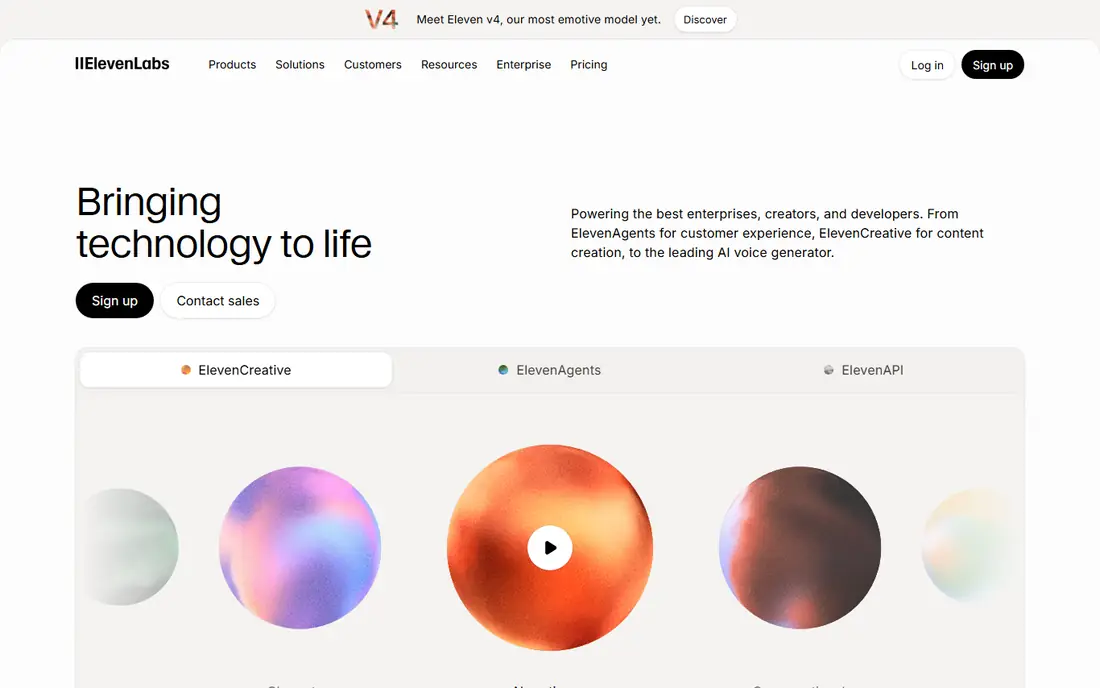
ElevenLabs is the benchmark for voice cloning in 2026. Its Starter plan costs 6 dollars per month and includes instant voice cloning with a commercial license, while Creator at 22 dollars per month adds professional cloning for higher fidelity. The free tier gives 10,000 credits per month for personal testing. For video, its dubbing tools and large voice library make translated narration far easier than re-recording in each language.
ElevenLabs requires verification for voice cloning, including a live voice check for instant clones, which is the kind of safeguard this category needs. The main catch is credits: long scripts burn through them fast, so check your script length against your plan before starting a series. For most video creators, ElevenLabs is the first tool to trial.
- Strong natural voice quality
- Instant and professional cloning tiers
- Dubbing and multilingual tools for video
- Credit system needs care with long scripts
- Free tier has no commercial license
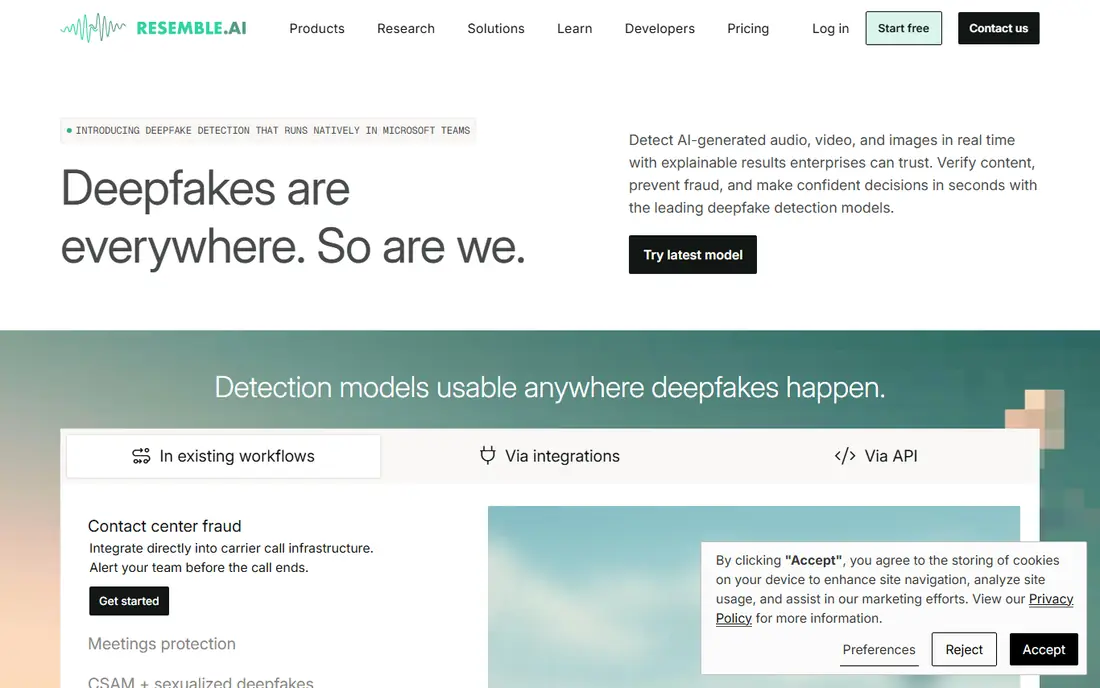
Resemble AI focuses on custom voice clones for production teams, with tools for cloning, watermarking generated audio and integrating voices through an API. Its usage based pricing, around a few cents per minute plus clone fees on some plans, suits teams that generate audio in bursts rather than on a flat monthly schedule. Watermarking helps studios track synthetic audio, which matters for broadcast and advertising work.
The trade off is budgeting. Usage pricing makes monthly costs harder to predict than a flat plan, and there is no free cloning tier to test with. Resemble AI also requires consent steps for custom voices. It suits developers and studios building voice features into video products, more than solo creators who want a simple monthly plan.
- Custom voice clones with watermarking options
- API for developers
- Self hosting options for some plans
- Usage based pricing is harder to budget
- No free tier for cloning
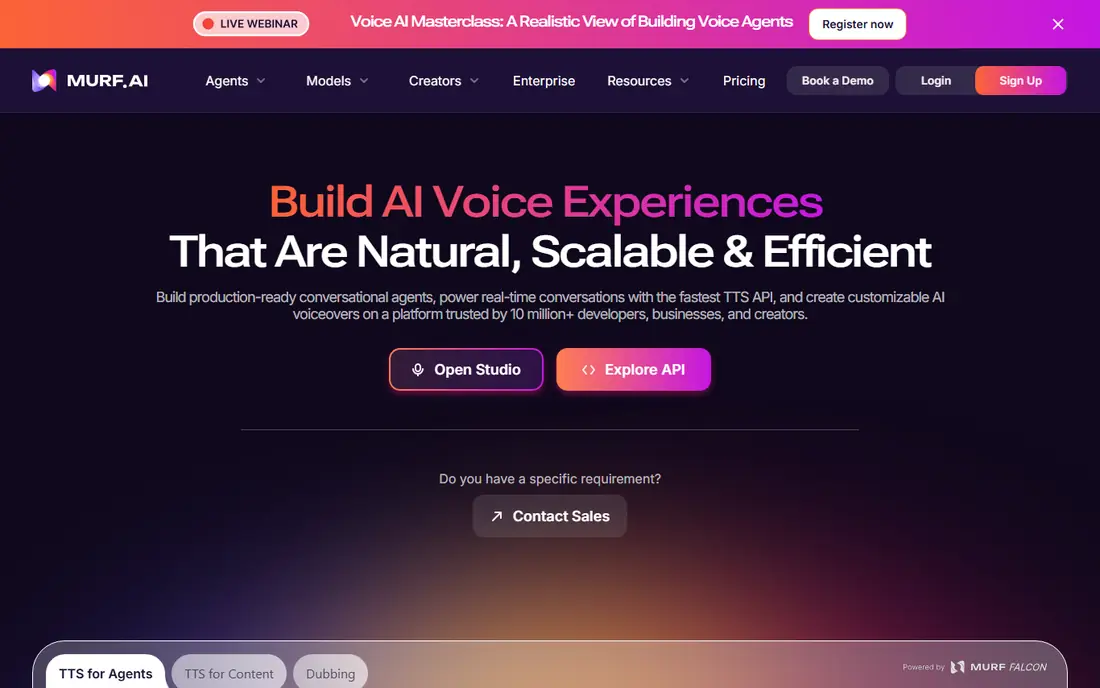
Murf AI is a voice studio for scripted narration: training videos, courses, explainers and presentations. Its timeline editor, background music tools and slide sync help creators line narration up with visuals, and minute based billing makes costs predictable. The Creator plan costs about 19 dollars per month billed annually, with a free tier offering 10 minutes of generation for testing.
The important limit is cloning. On Murf, voice cloning is an enterprise feature, not part of the standard self serve plans, so most Murf users work with stock voices rather than clones. If cloning your own voice is the main job, ElevenLabs or Resemble AI fit better. If scripted video narration with stock voices is the job, Murf's studio is a strong pick.
- Studio built for video and course narration
- Timeline editing and slide sync
- Predictable minute based billing
- Voice cloning is an enterprise add on, not a self serve feature
- Raw realism trails ElevenLabs
Descript is different from the other tools here because cloning lives inside an editor you may already use. Its AI Speech feature turns typed text into voice, including your own clone, while Regenerate, formerly called Overdub, rewrites or smooths what a real person already said in a recording. The Hobbyist plan costs 16 dollars per month billed annually and includes custom voice clones, with a free plan for limited trials.
Descript requires consent and verification for voice clones, and its strength is fixing video audio: correct a flubbed line, update a script line or replace a word without re-recording the whole take. Raw clone quality trails ElevenLabs, so Descript is not the best choice for long form narration from scratch. For video editors who need quick fixes, it is the most practical option.
- Voice cloning inside a full video and audio editor
- Regenerate fixes spoken flubs
- Transcript based editing
- Cloning fidelity is lower than dedicated voice platforms
- Paid plan needed for custom clones
HeyGen is a video first platform: create an avatar, pair it with a cloned voice, and produce talking head videos for training, marketing and product explainers without a camera shoot. It supports voice cloning with consent checks, plus video translation that pairs a translated voice with lip sync. A free tier lets you test short videos before paying.
The catch is realism. Avatar videos are useful for training and internal updates, but close inspection still shows synthetic movement and expression, so they suit some audiences better than others. HeyGen works best when speed and scale matter more than a fully human on camera presence, and when the voice cloned is your own or one you have permission to use.
- Video avatars paired with cloned voices
- Translation and dubbing for video
- Templates for marketing and training video
- Avatar video can look synthetic on close inspection
- Higher tiers needed for longer videos and commercial scale
Respeecher is a voice conversion studio known for film, television and advertising work, where one voice is converted to sound like another with consent and oversight. Its process includes consent verification and project review, which is the right level of care for high profile voice work. Production teams use it for dubbing, de-aging voices, and performance work where a specific voice is needed but re-recording is not practical.
Respeecher is not a casual creator tool. Pricing is project based and quote led, and the workflow involves working with the Respeecher team rather than instant self serve cloning. For professional media projects with proper permissions, that care is a strength. For a solo creator making weekly videos, ElevenLabs or Descript will be faster and cheaper.
- High quality voice conversion for film and media
- Strong consent and ethics process
- Used in professional productions
- Quote based pricing
- Project based workflow, not a quick self serve app
WellSaid Labs builds controlled, consistent voices for brands, training providers and corporate video teams. Its strength is reliability: the same voice, tone and pacing across hundreds of training modules, without the variation that comes from many human recording sessions. A trial lets teams test voices before committing, while custom brand voices are handled on higher tiers.
WellSaid Labs is less about cloning your own voice on a self serve plan and more about building a stable brand voice for ongoing video production. That focus suits companies with large training libraries. Solo creators who want a quick personal clone will find ElevenLabs simpler, while corporate teams that value consistency should trial WellSaid Labs.
- Consistent, controlled brand voices
- Good for training and corporate narration
- Enterprise controls
- Custom brand voices sit on higher tiers
- Less suited to casual cloning
Cartesia is a voice API platform with real time generation, aimed at interactive applications, agents and video products that need fast, responsive speech. Its Pro plan costs 5 dollars per month, with a free tier offering credits for testing, and instant cloning available on paid tiers. For developers building interactive video, live avatars or conversational products, low latency matters more than a large stock voice catalog.
The trade off is maturity and video tooling. Cartesia does not offer the video editing or avatar templates of HeyGen or Descript, so video teams will pair it with their own editor or player. Consent safeguards apply to its cloning features, as they should. For real time and developer led video work, Cartesia is a strong, low cost option.
- Low entry price
- Real time voice generation for interactive uses
- Instant cloning on paid tiers
- Newer platform with a smaller voice library
- Video tooling is thinner than HeyGen or Descript
How we picked these
We compared official product pages, pricing pages and consent documentation for voice cloning tools that were live and usable for video work in October 2026. We kept only tools with stated consent safeguards for cloning, such as verification, consent statements or approval review, and we excluded tools that had shut down or become unavailable. That excluded PlayHT, whose platform sunset at the end of 2025 after its team was acquired, and Lovo, which filed for bankruptcy in 2026 and became unavailable. We also favored tools with a clear video use case: narration, dubbing, editing or avatars.
Consent rules for voice cloning
Voice cloning without permission can harm real people, from impersonation scams to fake endorsements. Follow these rules on every project.
Clone only with clear permission
Use your own voice, or a voice where you have written, specific permission for cloning and for the exact use you plan. A general appearance release or a past recording session does not automatically cover cloning. When in doubt, ask again and keep the permission on file.
Label synthetic voices where audiences expect a person
If viewers would reasonably assume they are hearing a real person live, say the voice is AI generated or cloned. Training videos, ads and news style content deserve clear labeling. Transparency protects your audience and your reputation.
Never clone for impersonation, fraud or deception
Do not clone a public figure, colleague, family member or customer to make them appear to say something they did not say. That includes jokes, pranks and political content. If a project idea needs a real person's voice saying new words, and you do not have permission, drop the idea.
Check platform rules before publishing
Video platforms, advertisers and clients have their own rules on synthetic media, and they change often. Check the current policy for each platform where a cloned voice video will appear, and keep records of consent and labeling for review.
FAQ
What is the best AI voice cloning software for videos?
ElevenLabs is the best overall pick for voice cloning for videos, with strong quality, instant and professional cloning tiers, and dubbing tools. Descript is best for fixing video audio inside an editor, and HeyGen is best for avatar videos with cloned voices. The right pick depends on whether you need narration, editing fixes or avatars.
Is AI voice cloning legal?
Cloning your own voice is generally fine, and cloning another person's voice with their clear permission is the lawful path for most projects. Cloning without permission can breach privacy, publicity and fraud laws depending on the country and use, and platforms may remove such content. Get written permission and legal advice for commercial or public figure projects.
Can I clone my own voice for YouTube videos?
Yes, cloning your own voice for your own videos is a common and accepted use, provided you follow the tool's verification steps and the platform's synthetic media rules. Labeling the voice as AI generated where viewers might assume a live recording is good practice, and it protects you if a clip is reused elsewhere.
How much does voice cloning software cost?
Entry prices on this list run from 5 dollars to about 19 dollars per month for self serve plans, with free tiers for testing on several tools. Professional cloning, enterprise clones and project based work from Respeecher cost more. Check credit or minute limits against your script length, since long videos can push costs above the headline price.
Which voice cloning tool is best for video dubbing?
ElevenLabs is the strongest choice for video dubbing, with multilingual dubbing tools and high quality clones. HeyGen also handles translated video with lip sync for avatar and presenter style videos. For dubbing, test a short clip in each target language before committing to a full series, since quality varies by language.
Do these tools stop unauthorized cloning?
Reputable tools use verification steps, such as live voice checks, consent statements or project review, to reduce unauthorized cloning. No system is perfect, and safeguards vary by tool, so check each vendor's current consent process before you buy. If a tool lets you clone any voice with no checks, treat that as a warning sign, not a feature.