Best Substack Alternatives in 2026: 8 Newsletter Platforms Compared
Compare the best substack alternatives newsletter platforms for growth, paid subscriptions, and ownership, with current pricing and fees. Updated for 2026.

- Editor's choice
 beehiiv
Growing and monetizing a newsletter
Starts at$49 per monthVisit beehiiv.comFull review - Great alternative
 Ghost
Owned publication with website and memberships
Starts at$18 per monthVisit ghost.orgFull review - Also consider
 Kit
Creators selling products and courses
Starts at$33 per monthVisit kit.comFull review
TL;DR:
- Beehiiv is the strongest growth led choice, with referral tools, an ad network, and no platform fee on paid plans.
- Ghost is the best ownership choice, with a full website, memberships, and no Ghost fee on subscriptions.
- Kit suits creators who sell products and courses, with deeper automation than a pure newsletter tool.
- Buttondown is the cheapest paid option for small lists, at $9 per month for up to 1,000 subscribers.
Quick comparison
| Tool | Best for | Starts at | Free plan? | |
|---|---|---|---|---|
| beehiiv | Growing and monetizing a newsletter | $49 per month | Yes | Visit |
| Ghost | Owned publication with website and memberships | $18 per month | Free trial | Visit |
| Kit | Creators selling products and courses | $33 per month | Yes | Visit |
 Buttondown | Minimal newsletters for writers and developers | $9 per month | Yes | Visit |
 Mailchimp | Small businesses needing email plus marketing tools | $13 per month | Yes | Visit |
 MailerLite | Budget newsletters with landing pages and websites | $12 per month | Yes | Visit |
 WordPress.com | Writers wanting a full website plus newsletter | See website | Yes | Visit |
 Medium | Writers wanting built in discovery and a simple editor | See website | Yes | Visit |
The best substack alternatives newsletter platforms
Substack is free to publish and takes a share of paid revenue, which is great at the start and costly as paid income grows. The platforms below give you more control over fees, design, and ownership, and they suit different goals, from growth led newsletters to owned publications and simple email lists.
Our pick for this group is a strong fit when you want growing and monetizing a newsletter. beehiiv is known for free plan to 2,500 subscribers; referral and ad tools; no platform fee on paid plans. In practice, that combination matters because it covers the core job without forcing you to buy a much larger suite first. Prices were checked in October 2026. The honest catch is that paid plan needed for paid subscriptions; prices rise with subscriber tiers. That trade-off will matter more for some buyers than for others, so weigh it against the strengths above rather than treating it as a deal breaker on its own. Our pick for most readers in this group is to start with the free plan or trial where one is offered, test it with a real project, and only then move to a paid plan.
- Free plan to 2,500 subscribers
- Referral and ad tools
- No platform fee on paid plans
- Paid plan needed for paid subscriptions
- Prices rise with subscriber tiers
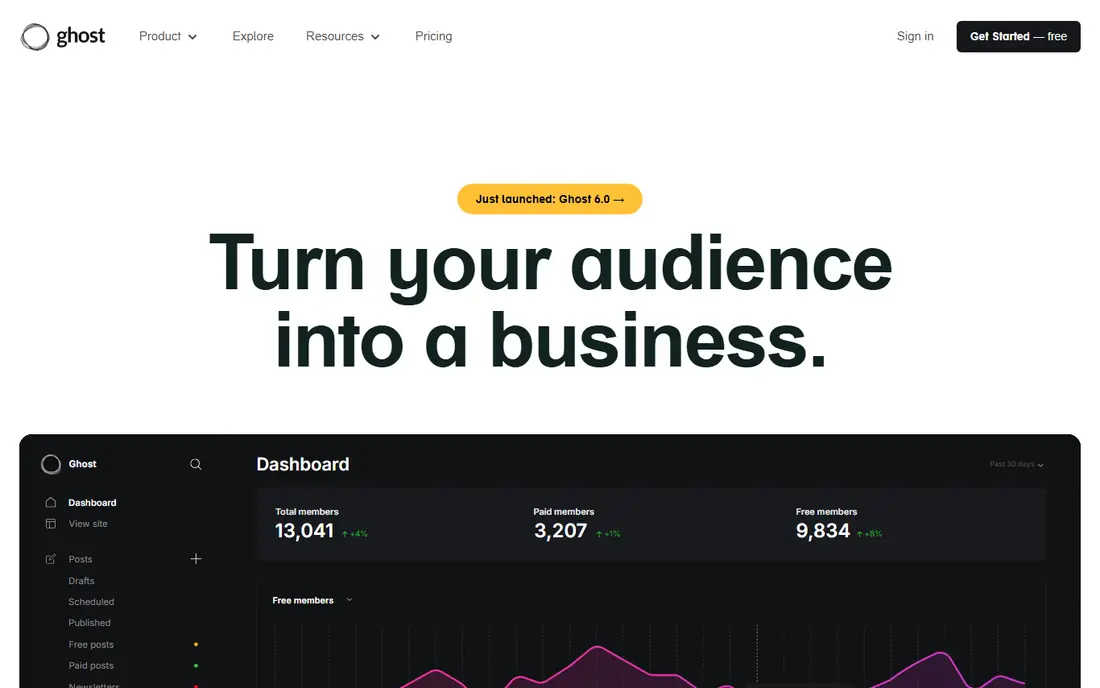
This one stands out for buyers who need owned publication with website and memberships. Ghost is known for open source option with self hosting; no ghost fee on subscriptions; custom themes on publisher. In practice, that combination matters because it covers the core job without forcing you to buy a much larger suite first. Prices were checked in October 2026. The honest catch is that no permanent free hosted plan; paid subscriptions need the publisher plan. That trade-off will matter more for some buyers than for others, so weigh it against the strengths above rather than treating it as a deal breaker on its own. Our pick for most readers in this group is to start with the free plan or trial where one is offered, test it with a real project, and only then move to a paid plan.
- Open source option with self hosting
- No Ghost fee on subscriptions
- Custom themes on Publisher
- No permanent free hosted plan
- Paid subscriptions need the Publisher plan
We would shortlist this option for teams and readers who want creators selling products and courses. Kit is known for free plan to 10,000 subscribers; strong automations and landing pages; product sales built in. In practice, that combination matters because it covers the core job without forcing you to buy a much larger suite first. Prices were checked in October 2026. The honest catch is that newsletter growth tools are less central than on beehiiv; paid plan needed for full automation. That trade-off will matter more for some buyers than for others, so weigh it against the strengths above rather than treating it as a deal breaker on its own. Our pick for most readers in this group is to start with the free plan or trial where one is offered, test it with a real project, and only then move to a paid plan.
- Free plan to 10,000 subscribers
- Strong automations and landing pages
- Product sales built in
- Newsletter growth tools are less central than on beehiiv
- Paid plan needed for full automation
A good choice here, especially if you value minimal newsletters for writers and developers. Buttondown is known for simple markdown first writing; custom domain and api; low paid entry price. In practice, that combination matters because it covers the core job without forcing you to buy a much larger suite first. Prices were checked in October 2026. The honest catch is that free plan limited to 100 subscribers; growth and monetization tools are lighter. That trade-off will matter more for some buyers than for others, so weigh it against the strengths above rather than treating it as a deal breaker on its own. Our pick for most readers in this group is to start with the free plan or trial where one is offered, test it with a real project, and only then move to a paid plan.
- Simple markdown first writing
- Custom domain and API
- Low paid entry price
- Free plan limited to 100 subscribers
- Growth and monetization tools are lighter
This option earns its place because it handles small businesses needing email plus marketing tools. Mailchimp is known for large integration catalog; landing pages and campaigns; familiar editor. In practice, that combination matters because it covers the core job without forcing you to buy a much larger suite first. Prices were checked in October 2026. The honest catch is that free plan now limited to 250 contacts; costs rise with contacts, including unsubscribed ones. That trade-off will matter more for some buyers than for others, so weigh it against the strengths above rather than treating it as a deal breaker on its own. Our pick for most readers in this group is to start with the free plan or trial where one is offered, test it with a real project, and only then move to a paid plan.
- Large integration catalog
- Landing pages and campaigns
- Familiar editor
- Free plan now limited to 250 contacts
- Costs rise with contacts, including unsubscribed ones
Our pick for this group is a strong fit when you want budget newsletters with landing pages and websites. MailerLite is known for simple editor; websites and digital products; lower cost than mailchimp at many sizes. In practice, that combination matters because it covers the core job without forcing you to buy a much larger suite first. Prices were checked in October 2026. The honest catch is that free plan limited to 250 subscribers; automation limits apply on the free plan. That trade-off will matter more for some buyers than for others, so weigh it against the strengths above rather than treating it as a deal breaker on its own. Our pick for most readers in this group is to start with the free plan or trial where one is offered, test it with a real project, and only then move to a paid plan.
- Simple editor
- Websites and digital products
- Lower cost than Mailchimp at many sizes
- Free plan limited to 250 subscribers
- Automation limits apply on the free plan
This one stands out for buyers who need writers wanting a full website plus newsletter. WordPress.com is known for full website and blogging tools; newsletter features; large theme and plugin range. In practice, that combination matters because it covers the core job without forcing you to buy a much larger suite first. Prices were checked in October 2026. The honest catch is that newsletter and membership features are less focused than on dedicated platforms. That trade-off will matter more for some buyers than for others, so weigh it against the strengths above rather than treating it as a deal breaker on its own. Our pick for most readers in this group is to start with the free plan or trial where one is offered, test it with a real project, and only then move to a paid plan.
- Full website and blogging tools
- Newsletter features
- Large theme and plugin range
- Newsletter and membership features are less focused than on dedicated platforms
We would shortlist this option for teams and readers who want writers wanting built in discovery and a simple editor. Medium is known for built in audience and discovery; clean writing experience; no setup needed. In practice, that combination matters because it covers the core job without forcing you to buy a much larger suite first. Prices were checked in October 2026. The honest catch is that limited control over design, list, and monetization; platform rules shape distribution. That trade-off will matter more for some buyers than for others, so weigh it against the strengths above rather than treating it as a deal breaker on its own. Our pick for most readers in this group is to start with the free plan or trial where one is offered, test it with a real project, and only then move to a paid plan.
- Built in audience and discovery
- Clean writing experience
- No setup needed
- Limited control over design, list, and monetization
- Platform rules shape distribution
How we picked these
We compared official pricing pages for each platform in October 2026, and we favored services that let you publish, grow, and charge readers without hidden platform fees. We checked free plan limits, paid subscription fees, custom domain support, and whether you can export your list. We did not claim hands-on testing, and we noted where prices rise with subscriber count.
How to choose a newsletter platform
Start with how you will earn
If paid subscriptions are the main income, compare platform fees first. Substack takes 10 percent, while beehiiv and Ghost take no platform fee on paid plans, apart from card processing. If ads and growth matter more, beehiiv has the stronger built in tools. If product sales matter more, Kit has the deeper funnel.
Check ownership and exit options
Confirm that you can export subscribers, keep your custom domain, and move paid subscribers without asking them to resubscribe. Some moves require readers to re-subscribe, which can lose paying readers. Ask that question before your first paid reader, not after.
Match the editor to your workflow
A markdown first tool suits writers who draft in plain text, while a full CMS suits teams that need a website, themes, and multiple newsletters. Test writing, scheduling, and analytics with a real issue before you migrate a live list.
FAQ
Is beehiiv cheaper than Substack?
It depends on paid revenue. Beehiiv charges a monthly plan fee and no platform fee, while Substack is free to publish but takes 10 percent of paid subscriptions plus card fees. At low paid revenue, Substack can be cheaper. At higher paid revenue, beehiiv usually wins.
Can I move my list from Substack?
Yes, you can usually export free subscribers, but paid subscription migration is trickier. Some platforms require paid readers to resubscribe, which risks losing them. Ask the new platform for a written migration plan for paid subscribers before you start.
Do I need a website as well as a newsletter?
Not at first, but a website helps with search, archives, and ownership. Ghost and WordPress.com give you a full site, while beehiiv and Buttondown give you a hosted archive. Pick based on whether search and site control matter for your topic.
What is the cheapest paid newsletter platform?
Buttondown is the cheapest paid option in this list, at $9 per month for up to 1,000 subscribers. MailerLite and Mailchimp are also low cost at small sizes, but their free plans are now small. Compare the price at your actual list size, not just the entry price.
Which platform is best for paid subscriptions?
Ghost is our pick for ownership, because it charges no platform fee and gives you a full membership site. Beehiiv is our pick for growth led paid newsletters, because it pairs no platform fee with referral and ad tools. Both need a paid plan to charge readers.