Best glitchy.com Alternatives in 2026: 8 Website Builders Compared
Compare glitchy.com alternatives website builders for small businesses in 2026, with pricing, templates, selling tools, and ease of use explained in full
- Editor's choice
 Wix
Most small businesses
Starts at$17 per monthVisit wix.comFull review - Great alternative
 Squarespace
Portfolios and clean design
Starts at$16 per monthVisit squarespace.comFull review - Also consider
 Webflow
Designers and custom sites
Starts at$14 per monthVisit webflow.comFull review
TL;DR:
- Wix is our pick for most small businesses because it pairs a large template library with flexible design controls and a free plan.
- Squarespace suits portfolios, photographers, and service businesses that want clean design with less setup.
- Webflow fits designers and growing sites that need custom layouts and stronger control over how pages are built.
- Shopify is the clear pick if selling products is the main job, while WordPress.com suits blogs and content-heavy sites.
- Check whether you need online selling, bookings, or a blog before you choose, because the cheapest builder is not always the cheapest for your job.
Quick comparison
| Tool | Best for | Starts at | Free plan? | |
|---|---|---|---|---|
| Wix | Most small businesses | $17 per month | Yes | Visit |
| Squarespace | Portfolios and clean design | $16 per month | No | Visit |
| Webflow | Designers and custom sites | $14 per month | Yes | Visit |
 WordPress.com | Blogs and content sites | See website | Yes | Visit |
 Shopify | Online stores | $29 per month | No | Visit |
 Framer | Modern landing pages | See website | Yes | Visit |
 Duda | Agencies and client sites | $19 per month | No | Visit |
 Weebly | Simple small sites | See website | Yes | Visit |
The best glitchy.com alternatives
The slug for this article pairs glitchy.com with website builders, so we focused on builders that let a non-technical owner launch a site without writing code. We compared official pricing pages, template quality, editor flexibility, selling tools, and SEO basics, and we kept only builders that are actively sold and supported in October 2026.
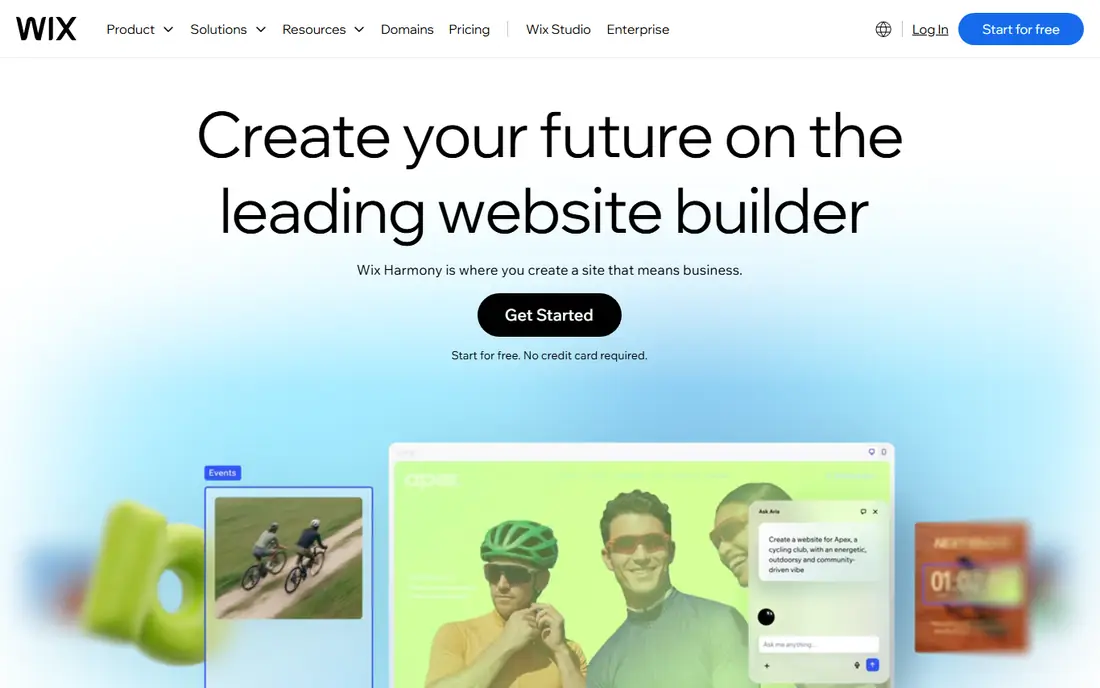
Wix is the most flexible general builder in this list. It offers hundreds of templates, a drag-and-drop editor, and an app market for bookings, forms, chat, and online selling. The free plan lets you test the editor, while the Light plan starts at $17 per month for a custom domain and no Wix ads.
The main limit is template switching. Once you pick a template and build on it, moving to a new design often means rebuilding parts of the site. For a small business that wants one site for services, contact forms, and light selling, Wix gives the best mix of choice and control.
- Large template library
- Flexible drag-and-drop editor
- Many apps and add-ons
- Switching templates later is limited
- Higher tiers needed for full selling tools
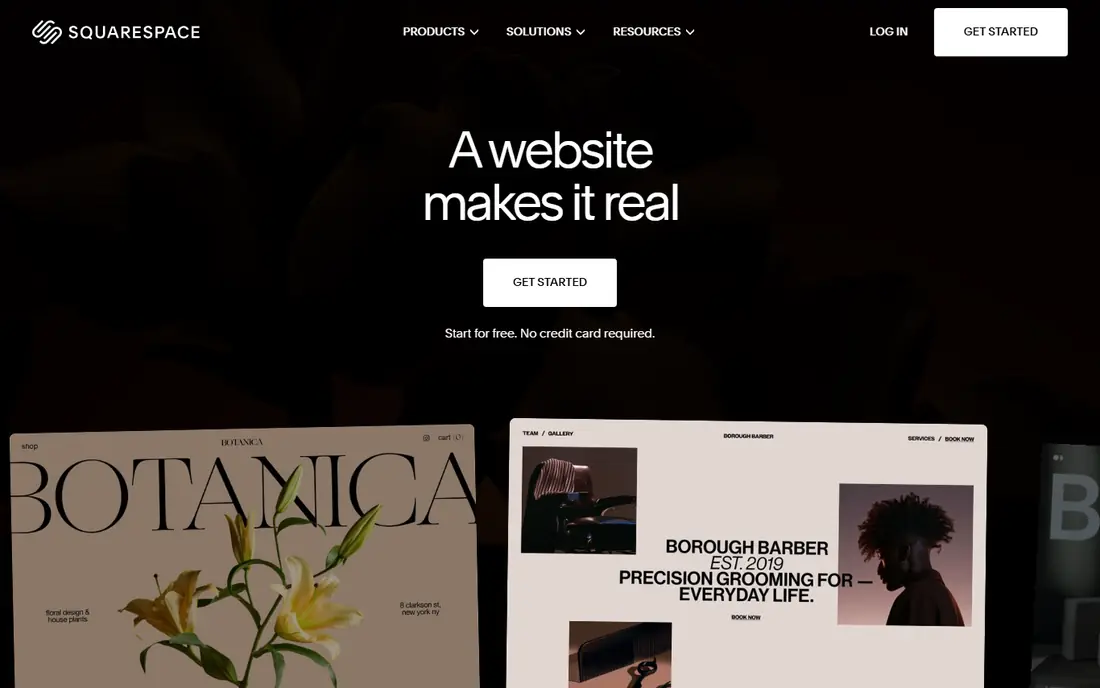
Squarespace suits owners who care about how the site looks on the first visit. Its templates are polished, its image handling is strong, and its editor keeps layouts tidy without much effort. The Personal plan starts at $16 per month billed annually, with a trial to test the editor before you pay.
It offers less free-form drag-and-drop control than Wix, which can frustrate owners who want pixel-level placement. For photographers, designers, restaurants, and service businesses that want a clean site fast, that constraint is often a benefit, because the site stays consistent.
- Clean, modern templates
- Strong image handling
- Built-in selling and bookings
- Less drag-and-drop freedom than Wix
- No free plan beyond a trial

Webflow gives designers far more control than Wix or Squarespace, with layout, animation, and CMS tools that suit custom marketing sites. The Basic site plan starts at $14 per month billed annually, and a free starter plan lets you design and test before publishing to a custom domain. Content teams can use the CMS to manage blog posts, case studies, and landing pages.
The learning curve is real. Webflow assumes some design knowledge, and its pricing splits site plans and workspace plans, which can confuse first-time buyers. For a designer or a growing business that needs a custom site, it is the strongest builder here.
- Strong design control
- Clean code output
- CMS for content sites
- Steeper learning curve
- Pricing has separate site and workspace plans
WordPress.com is the hosted version of WordPress, and it suits blogs, news sites, and content-heavy businesses. The free plan lets you start, while paid plans add a custom domain, more storage, and access to themes and plugins depending on tier. Its editor handles long articles, categories, and scheduled posts well.
Selling tools and full plugin access sit on higher tiers, so a store owner should compare the total cost with Shopify. The dashboard can also feel busy for a first-time owner. For a site where writing and search traffic matter most, WordPress.com remains a strong, proven choice.
- Strong blogging and content tools
- Many themes
- Large plugin ecosystem on higher tiers
- Selling and plugin access need higher tiers
- Interface can feel busy
Shopify is the clear pick when selling is the main job. Its Basic plan starts at $29 per month and includes a storefront, product pages, checkout, discount tools, and payment processing. The app store adds shipping, reviews, subscriptions, and marketing tools, and the checkout is trusted by shoppers.
For a brochure site or a blog, Shopify is more than you need, and its content tools are weaker than WordPress.com. App fees can also push the monthly total above the base price. If you sell products online, that trade-off is worth it, because selling is where Shopify is strongest.
- Strong selling, payments, and shipping tools
- Large app store
- Reliable checkout
- Content and blogging tools are weaker
- Monthly cost plus app fees can add up
Framer suits startups and creators who need a modern landing page or marketing site quickly. It offers clean templates, strong typography, and a free starter plan for testing designs before publishing to a custom domain. Paid plans add more pages, CMS features, and site analytics depending on tier.
It is not a full store builder, and its template library is smaller than Wix or Squarespace. For a landing page, portfolio, or product launch site, Framer gives a polished result with less setup. For a large store or a complex booking site, choose Shopify or Wix instead.
- Fast, modern templates
- Strong landing page design
- Free starter plan
- Selling tools are lighter
- Smaller template library than Wix
Duda is built for agencies and freelancers who build sites for clients. It offers team collaboration, client approval tools, white-label options on higher tiers, and a Basic plan starting at $19 per month billed annually. Sites load quickly, and the editor balances design control with reusable sections.
For a single small business site, Duda costs more than Wix or Squarespace and offers a smaller app market. For an agency managing many client sites, the client tools and workflow save real time. Choose Duda when you build sites for others, not just for yourself.
- Client management tools
- Team collaboration
- Good site speed
- Higher cost for a single site
- Smaller app market
Weebly, now part of Square, remains a good choice for a simple site. Its drag-and-drop editor is easy to learn, a free plan lets you publish a basic site, and paid plans add a custom domain and selling tools. It suits a small shop, a club, or a personal site that needs pages, a contact form, and a few products.
The template library is smaller and less modern than Wix or Squarespace, and design control is more limited. If you want a simple site without a long learning curve, Weebly is still a practical pick. If design polish is the top priority, Squarespace or Framer will serve you better.
- Very simple editor
- Free plan available
- Decent small store tools
- Fewer modern templates
- Less design control than rivals
How we picked these
We compared official pricing pages, template libraries, editor controls, selling tools, and publishing options for builders that are actively supported in October 2026. We favored builders with a free plan or trial, a custom domain option, and clear pricing, and we noted where selling or plugin access requires a higher tier. Prices reflect annual billing where vendors publish it.
How to choose the right website builder
Start with the main job of the site. A store, a portfolio, and a blog need different tools, and the best general builder is not always the best for your specific job.
Match the builder to the job
Choose Shopify for selling, WordPress.com for blogging, Squarespace or Framer for design-led sites, and Wix for a general business site with mixed needs. Duda fits agencies, while Weebly fits simple sites that need to launch fast.
Test the editor before you pay
Use the free plan or trial to build your home page and one inner page. Check that you can add a contact form, change images, and view the site on a phone. If the editor feels slow or confusing in the trial, it will feel worse after you have paid.
Check domain, SEO, and selling costs
Confirm the cost of a custom domain, whether your plan removes builder branding, and what selling fees apply. A low base price can rise with app fees, transaction fees, and higher tiers for bookings or plugins, so compare the total monthly cost for your actual needs.
FAQ
What is the best website builder for a small business?
Wix is the best general pick for most small businesses, because it offers many templates, a flexible editor, and apps for bookings and selling. Its Light plan starts at $17 per month, with a free plan for testing. Squarespace is better if clean design matters more than flexibility.
Which website builder is best for an online store?
Shopify is the best pick for an online store, with a Basic plan starting at $29 per month. It offers strong checkout, payments, shipping, and app tools that general builders do not match. Wix and Squarespace can sell products too, but they suit smaller catalogs.
Is there a free website builder?
Yes. Wix, Webflow, WordPress.com, Framer, and Weebly offer free plans, though free sites usually show builder branding and use a builder subdomain. A paid plan is needed for a custom domain and for removing branding on most builders.
Can I switch builders later?
You can move content, but you cannot usually move the design itself. Text and images can be copied, while templates, apps, and layouts must be rebuilt. Pick a builder you can live with for at least a year, and keep your domain registered separately if you want an easier move.
Do I need coding skills to use these builders?
No. All eight builders in this list are designed for owners without coding skills, using visual editors and templates. Webflow offers the most design control and the steepest learning curve, while Weebly and Squarespace are the easiest for a first site.