Best Waste Management Software in 2026: 7 Tools Compared
Compare the best waste management software for haulers, recyclers, and cities in 2026, covering routing, billing, dispatch, and compliance tools in depth.
- Editor's choice
 Routeware
Haulers needing routing, dispatch, and billing in one system
Starts atSee websiteVisit routeware.comFull review - Great alternative
 AMCS Platform
Large waste and recycling firms
Starts atSee websiteVisit amcsgroup.comFull review - Also consider
 Wastebits
Waste tracking, manifests, and compliance records
Starts atSee websiteVisit wastebits.comFull review
TL;DR:
- Routeware is our pick for haulers that want routing, dispatch, and billing tied to daily collection work.
- AMCS Platform suits larger waste and recycling firms that need end-to-end operations, billing, and customer tools.
- Wastebits suits firms that need simple tracking, manifests, and compliance records without a full enterprise system.
- Soft-Pak and TRUX cover different parts of the job, from back-office billing to driver and fleet tools, so check scope before you buy.
- Routing quality, container tracking, and billing accuracy matter more than a long feature list, since they shape daily profit.
Quick comparison
| Tool | Best for | Starts at | Free plan? | |
|---|---|---|---|---|
| Routeware | Haulers needing routing, dispatch, and billing in one system | See website | No | Visit |
| AMCS Platform | Large waste and recycling firms | See website | No | Visit |
| Wastebits | Waste tracking, manifests, and compliance records | See website | Free trial | Visit |
 Soft-Pak | Back-office billing and waste operations | See website | No | Visit |
 TRUX | Driver dispatch and fleet coordination | See website | No | Visit |
 Dossier | Fleet maintenance for waste trucks | See website | No | Visit |
 RouteManager | Route planning and optimization for collection teams | See website | Free trial | Visit |
The best waste management software
Waste management software covers collection routes, containers, dispatch, billing, and compliance records for haulers, recyclers, transfer stations, and cities. The tools below serve different sizes and jobs, from a local hauler with a few trucks to a large firm with many sites and contracts.
Routeware
Best for: Haulers needing routing, dispatch, and billing in one system
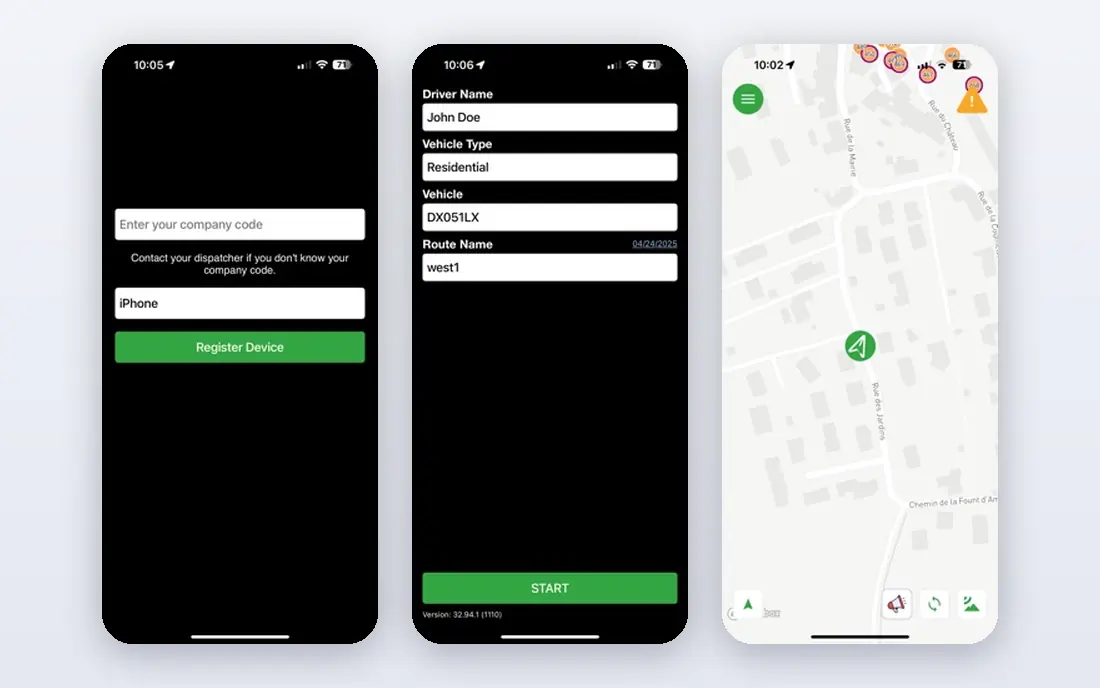
Routeware is built around the daily work of collection. Routes can be planned and optimized, drivers can follow stops on onboard tools, and exceptions such as missed pickups or blocked containers can be recorded in the field. Billing and customer records sit in the same system, so office staff can tie a route change to a customer account.
The trade-off is that pricing is custom and setup takes time, especially for route data, container records, and billing rules. A very small hauler with one truck may find a simpler tool enough. For a growing hauler that needs control over routes and revenue, Routeware is a strong pick.
- Route optimization
- Onboard driver tools
- Billing and customer management
- Pricing is by quote
- Implementation needs planning
AMCS Platform covers the full waste lifecycle, from customer onboarding and contracts to routing, scale operations, billing, and reporting. It suits firms that handle municipal, commercial, and recycling work across many sites. A customer portal and material tracking help larger firms manage complex contracts and commodity flows.
That breadth brings cost and setup time. A small hauler will find it heavy, and staff will need training to use the full system. For a large firm that needs one platform for operations, finance, and customer service, AMCS offers depth that smaller tools lack.
- End-to-end operations
- Billing and customer portal
- Recycling and material tracking
- Enterprise scope and cost
- Longer implementation
Wastebits focuses on tracking waste from pickup to disposal, with manifests, profiles, and reports that support compliance. That makes it useful for generators, brokers, and haulers that need clean records for audits and customer reports. Setup is simpler than a full enterprise platform.
It is not a full routing and billing suite, so a hauler that needs deep route optimization and invoicing may pair it with another tool. For a firm whose main pain is tracking and compliance records, Wastebits offers a direct and practical option.
- Clear waste tracking
- Manifest and reporting tools
- Easier setup than enterprise suites
- Less full routing depth than Routeware
- Billing tools are thinner
Soft-Pak has served waste haulers for many years with billing, customer management, routing, and dispatch tools. Its strength is back-office accuracy, including contracts, pricing, and invoicing for residential and commercial accounts. That focus helps a hauler keep revenue and customer records clean.
Some users find the interface less modern than newer cloud tools, and pricing is custom. A hauler that values proven billing depth over a sleek design will still find Soft-Pak useful. It suits firms that want a stable, waste-specific back office.
- Billing and customer management
- Route and dispatch tools
- Long waste industry focus
- Interface feels dated to some users
- Pricing is by quote
TRUX focuses on the driver and fleet side of hauling. Dispatchers can assign jobs, drivers can accept and track work in an app, and managers can see fleet activity. That helps a hauler coordinate owned trucks and, in some cases, outside haulers for a job.
It is not a complete billing and customer system on its own, so a firm may need another tool for invoicing and contracts. For a business whose main gap is dispatch and driver coordination, TRUX offers a focused solution.
- Driver app and dispatch tools
- Fleet visibility
- Hauler network options
- Not a full billing suite
- Scope varies by product tier
Dossier, from Arsenault Associates, is a fleet maintenance system that suits waste fleets with heavy trucks and strict service needs. It tracks preventive maintenance, work orders, parts, and costs, so a fleet manager can see which trucks cost most to run and which services are due. That view helps reduce breakdowns that disrupt routes.
It does not handle routing, customer billing, or manifests, so it pairs with a hauler platform rather than replacing one. For a fleet manager focused on uptime and maintenance costs, Dossier is a practical add-on.
- Maintenance scheduling
- Parts and work orders
- Fleet cost tracking
- Not a routing or billing tool
- Needs another system for collection work
RouteManager focuses on planning efficient collection routes. Planners can build routes on a map, balance stops across trucks, and share routes with drivers. That helps a hauler cut miles, fuel use, and missed stops without buying a full enterprise suite.
Billing, customer contracts, and compliance tracking are thinner here, so a growing hauler may later add a back-office tool. For a team whose first problem is route efficiency, RouteManager offers a clear starting point with a trial to test real routes.
- Route optimization and mapping
- Driver route views
- Easy trial
- Limited billing depth
- Larger firms may need a full suite
How we picked these
We compared official feature pages and public reviews for waste, routing, fleet, and compliance tools in October 2026. We favored tools built for waste operations, with routing, dispatch, billing, or compliance features that match daily hauler work. We also noted scope, since a routing tool and a billing suite solve different problems even when both serve waste firms.
How to choose waste software
Map routes, containers, and billing together
List your service types, container sizes, pickup frequencies, and billing rules before you demo a tool. A system that plans routes well but cannot bill your contract correctly will create office work. Test a full cycle from new customer to route to invoice during a trial.
Check driver tools in the field
Ask drivers to use the app on a real route, including missed pickups, extra stops, and poor signal areas. A tool that works in the office but frustrates drivers will produce bad data and missed collections. Driver adoption is a key test.
Confirm compliance and reporting needs
Check manifest, disposal, and customer reporting for your state and customer types. A tool that exports clean reports for audits and customers will save time during reviews. Confirm data retention and access controls for sensitive customer and route data.
A final point on waste software choice is data cleanup. Route and container records must match reality, or optimization will send trucks to wrong stops and billing will follow bad data. Audit container counts, service frequencies, and customer addresses before launch, then repeat that audit each quarter. Clean data is what turns a good platform into reliable daily operations.
One more habit helps waste operations succeed: review route performance each week, including miles, stops per hour, missed pickups, and fuel use. Small route tweaks often save more than a new feature, especially when customer density changes. Share those numbers with drivers, since their field notes usually explain why a route worked or did not.
FAQ
What is the top waste management software for a small hauler?
Routeware and Soft-Pak are strong options for haulers that need routing and billing, while Wastebits suits tracking and compliance. A very small hauler should start with route and billing needs, then add fleet or compliance tools as volume grows.
How much does waste management software cost?
Most tools here price by quote, based on trucks, users, routes, and modules. Wastebits and RouteManager offer trials, which help a buyer test fit before a quote. Ask for a written quote that lists modules, users, and implementation costs.
Can waste software handle recycling as well as trash?
Yes, many tools here handle recycling, organics, and commercial waste alongside trash. AMCS Platform is strong for recycling and material tracking, while Routeware and Soft-Pak handle varied service types. Check container and material handling for your specific streams.
Does route optimization really save money?
It can, by cutting miles, fuel, and overtime and by reducing missed stops. Savings depend on route density, truck capacity, and how well container and customer data are maintained. Test optimization on real routes during a trial to estimate gains.
What is the difference between a hauler platform and a fleet tool?
A hauler platform covers customers, routes, dispatch, and billing, while a fleet tool such as Dossier covers maintenance and vehicle costs. Many firms use both, with the hauler platform running collection work and the fleet tool running truck upkeep.
Can cities use these tools too?
Yes, cities and municipal teams use waste platforms for routes, service requests, and reporting, often with added public service features. Check contract, procurement, and reporting needs, since municipal use may need specific data and access controls.