Best trucking companies to work in 2026: 9 carriers compared
Compare the best trucking companies to work for in 2026, from large national carriers to fleets, by training, home time, and benefits pay and home time checked.
- Editor's choice
 Schneider National
New drivers and route choice
Starts atSee websiteVisit schneiderjobs.comFull review - Great alternative
 J.B. Hunt
Varied driving work
Starts atSee websiteVisit jbhunt.comFull review - Also consider
 Werner Enterprises
Large national fleet
Starts atSee websiteVisit werner.comFull review
TL;DR:
- Schneider National is the best starting point for new drivers, because it offers paid CDL training, many route types, and a large support network.
- J.B. Hunt suits drivers who want varied work, from dedicated and intermodal to final-mile, with a large national network.
- Prime Inc. and Roehl Transport stand out for training and home-time programs, based on recent driver reviews and carrier pages.
- Old Dominion Freight Line and FedEx Freight suit experienced drivers who want less-than-truckload work and more predictable schedules.
- Pay varies by route, experience, freight type, and region, so always confirm current pay, home time, and benefits on the carrier's official careers page before you apply.
Quick comparison
| Tool | Best for | Starts at | Free plan? | |
|---|---|---|---|---|
| Schneider National | New drivers and route choice | See website | No | Visit |
| J.B. Hunt | Varied driving work | See website | No | Visit |
| Werner Enterprises | Large national fleet | See website | No | Visit |
 Prime Inc. | Training and benefits | See website | No | Visit |
 Roehl Transport | Home time programs | See website | No | Visit |
 Swift Transportation | Fast hiring for new drivers | See website | No | Visit |
 Maverick Transportation | Flatbed driving | See website | No | Visit |
 Old Dominion Freight Line | Less-than-truckload work | See website | No | Visit |
 FedEx Freight | Predictable freight schedules | See website | No | Visit |
The best trucking companies to work for
We compared large national carriers and regional fleets that hire company drivers in the United States, looking at training, route types, home time, and benefits listed on official careers pages.
Schneider is the carrier we point to first for a new driver, because it covers the full path from training to solo driving. Its careers pages list paid CDL training, company driver roles in regional, over-the-road, dedicated, tanker, and intermodal work, and team options. That range matters, because a driver who starts over-the-road can later move to regional or dedicated work without changing employers, if a position is open in their area.
The honest catch is variation. A regional van job, a dedicated retail job, and a tanker job at the same company can have different pay, schedules, and home time, so a national average tells you little. Check the specific job posting for your area, ask a recruiter about home time in writing, and compare the benefits package for that division. For breadth of choice and training support, Schneider remains a strong, safe starting point.
- Paid CDL training
- Many divisions including regional, dedicated, tanker, and intermodal
- Large fleet and support network
- Pay and home time vary widely by division and region
- Large company processes can feel impersonal
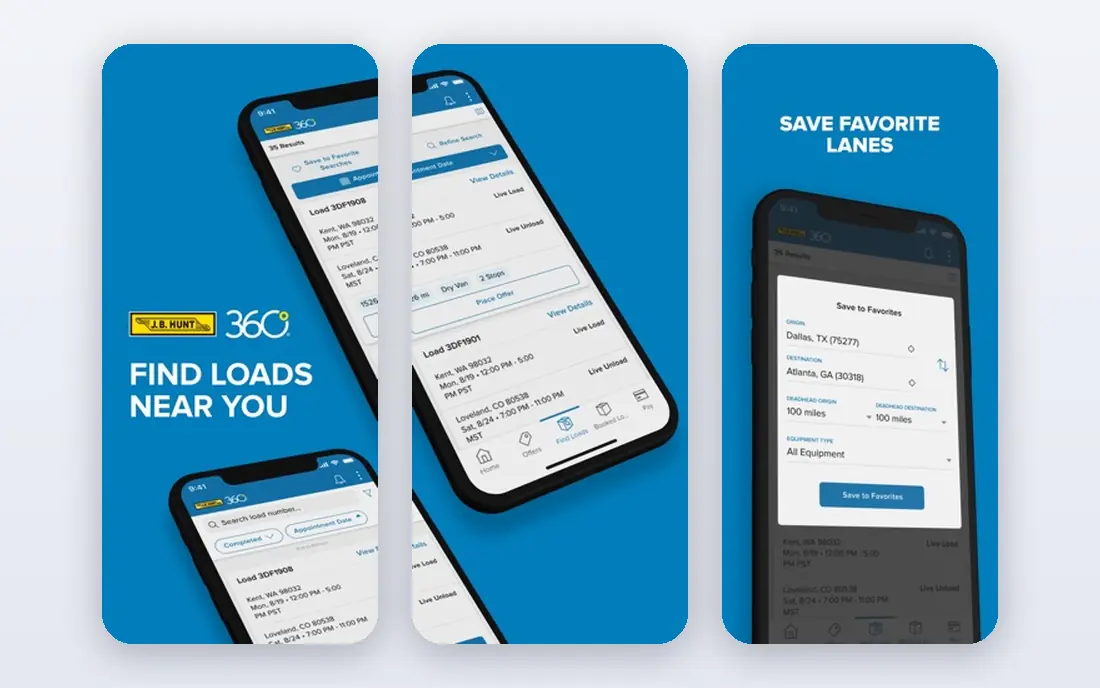
J.B. Hunt suits drivers who want options beyond standard over-the-road work. Its divisions include dedicated contract services, intermodal, truckload, and final-mile delivery, which can mean more predictable routes and home time than a general over-the-road job. That variety also helps a driver who wants to stay with one employer while changing freight types or schedules over time.
The trade-off is that J.B. Hunt is not one job, it is many jobs under one brand. Pay, benefits, and home time depend on the division, the customer, and the location. Recent guides and driver reviews point to 401(k) matching, tuition help, and paid time off on many roles, but you should confirm the exact package for the posting you apply for. If you want a large employer with many kinds of driving work, J.B. Hunt deserves a close look.
- Dedicated, intermodal, truckload, and final-mile divisions
- Large customer base
- Tuition and benefits programs on many roles
- Experience and pay vary by division
- Some roles need specific endorsements or schedules
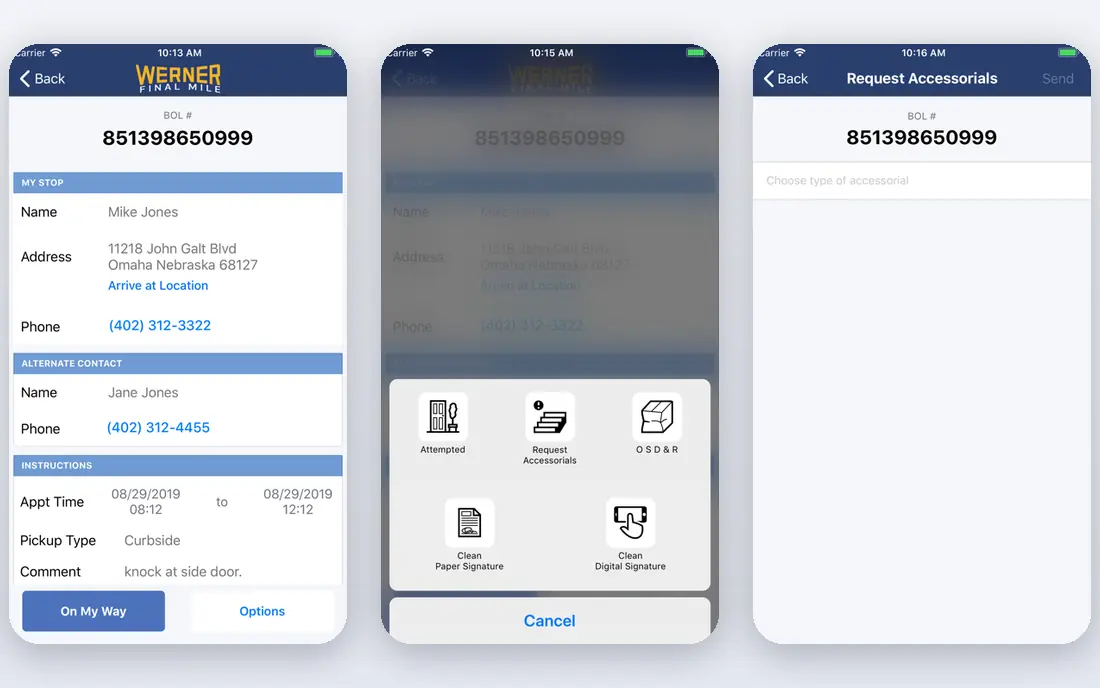
Werner is one of the largest carriers in the United States, and that scale gives drivers a wide choice of routes and freight. Its careers pages list dedicated, regional, and over-the-road roles, plus support for new drivers through CDL school partnerships and paid orientation. For a driver who wants to move states or change divisions later, a national fleet can make that move easier than a small regional carrier.
Scale has a downside. With thousands of drivers, the quality of dispatch and support can vary by terminal and manager, and public driver reviews reflect that spread. Werner is best judged by the specific terminal and division near you, not by the brand alone. Talk to drivers at that terminal if you can, and confirm pay, home time, and equipment details for the exact role before you sign.
- Large national network
- CDL school partnerships and paid orientation
- Many dedicated and regional options
- Large fleet size can mean varied dispatcher experience
- Pay depends on route and experience
Prime Inc. is known for its training path and for refrigerated freight, with flatbed work also available. New drivers can enter through a paid training program, then move to solo driving, and the company lists benefits and support facilities at its Springfield headquarters, including health and wellness options. That training-to-solo path, plus a large refrigerated network, makes Prime a strong choice for a driver who wants steady freight and structured training.
Read the training terms closely. Like most paid CDL programs, Prime's program has commitment and repayment terms if you leave early, so check the length and cost before you start. Refrigerated work can also involve night driving and weekend schedules, which suits some drivers and not others. If you want training, steady reefer freight, and a large support base, Prime is a top pick.
- Paid CDL training program
- Refrigerated and flatbed divisions
- On-site facilities and wellness support at headquarters
- Training commitment terms need careful reading
- Refrigerated schedules can mean nights and weekends
Roehl stands out in recent driver reviews for home time. Its careers pages highlight home-time choices, including programs that let drivers plan time at home around family needs, plus paid CDL training for new drivers. Divisions include van, refrigerated, and flatbed work, so a driver can pick freight that fits their experience and schedule.
The fleet is smaller than Schneider, Werner, or Swift, which can mean fewer openings in some regions, but also a more personal feel at many terminals, based on driver reviews. Roehl is a good fit if home time is your top priority and you live near one of its hiring areas. Confirm the exact home-time pattern for the division you apply for, because a regional job and an over-the-road job at Roehl will not have the same schedule.
- Paid CDL training
- Home-time programs such as Get Home Time options
- Flatbed, van, and refrigerated divisions
- Smaller fleet than the largest carriers
- Route availability varies by region
Swift is one of the largest starter fleets in the country, and it hires many new drivers each year through Swift Academy and other training paths. With terminals across the United States, it can often hire faster than a smaller carrier, and it offers dry van, refrigerated, flatbed, and dedicated work. For a new driver who needs a first job quickly and lives near a Swift terminal, that hiring speed matters.
Large starter fleets also have the most mixed driver reviews, with praise for training access and complaints about dispatch, pay, and turnover. That pattern is common across starter carriers, not unique to Swift, but it means you should judge the terminal and division, not just the brand. If you need a fast start and a clear training path, Swift is a practical option, provided you confirm pay, home time, and training terms in the job posting.
- Very large hiring network
- CDL training through Swift Academy
- Many terminals across the United States
- High turnover is common at large starter fleets
- Pay and support vary by terminal
Maverick is the flatbed specialist on this list, and it suits drivers who want that work specifically, rather than general van freight. Its divisions include flatbed, glass, and specialised hauling, and driver reviews often praise newer trucks and equipment. Flatbed training covers load securement and tarping, which are skills that transfer well across flatbed carriers.
Flatbed work is more physical than van work. Tarping in rain, wind, or heat, and securing varied loads, takes time and effort, and it is not for every driver. Maverick's pay and home time also vary by division, with some roles offering weekends at home and others running longer routes. If you want flatbed work and you are ready for the physical side, Maverick is one of the best-regarded flatbed carriers to start with.
- Flatbed focus with newer equipment
- Glass and specialised flatbed divisions
- Structured training for flatbed work
- Flatbed work is physical, with tarping and load securement
- Home time varies by division
Old Dominion Freight Line, often called OD, is a less-than-truckload carrier, which means it moves smaller shipments through a network of terminals rather than full truckloads for one customer. That model creates linehaul jobs between terminals and pickup-and-delivery jobs in local areas, both of which can offer more predictable schedules than over-the-road truckload work. Its benefits reputation is strong in driver and industry reviews, with health coverage and retirement options frequently mentioned.
The catch is entry. Many OD driving roles favour experienced drivers, and linehaul work can involve night driving. Pickup-and-delivery work is more local, but it involves many stops and customer contact. If you have experience and want a more predictable, terminal-based career, Old Dominion is a strong target. If you are new, start with a training carrier on this list, then apply to OD once you have experience.
- Less-than-truckload network with many terminals
- Predictable linehaul and pickup-and-delivery roles
- Strong benefits reputation
- Many roles need experience or specific endorsements
- Linehaul schedules can include nights
FedEx Freight is the freight division of FedEx, focused on less-than-truckload shipping across the United States. It hires city drivers for local pickup and delivery and road drivers for longer runs between terminals. That split lets a driver choose local work with more home time, or road work with longer miles, within the same large network. Benefits and tuition help are listed on many FedEx Freight postings, based on its careers pages.
Schedules vary by terminal, and road driver roles can involve nights, weekends, or team driving, depending on the lane. Hiring standards are also stricter than at many starter fleets, so new drivers may need experience first. If you want a large, stable freight employer with local and road options, FedEx Freight is a strong long-term target, especially after a year or two of safe driving experience.
- Large freight network
- City and road driver roles
- Tuition help and benefits on many roles
- Hiring standards and schedules vary by location
- Road driver work can involve nights and team driving
How we picked these
We compared official careers pages, job postings, benefits pages, and public driver reviews for carriers that hire company drivers in the United States in October 2026. We favoured carriers with clear training paths, varied route types, and benefits information on their official sites, and we kept a mix of large truckload fleets, flatbed specialists, and less-than-truckload carriers. We did not test driving jobs in person, and we did not claim hands-on testing. Pay varies by route, experience, freight type, and region, so we wrote See website for starting pay rather than quoting a single number that would mislead readers in another state.
What to ask a recruiter before you accept a driving job
A carrier brand tells you less than a specific job posting. Ask about the details that decide daily life on the road.
Pay, miles, and home time
Ask how pay is calculated, whether it is per mile, hourly, or percentage, and what a typical week looks like for that division. Ask how many miles drivers in that division actually run, how home time is scheduled, and what happens when a load runs late. Get the answers in the posting or in writing from a recruiter, not just in a phone call.
Training terms and equipment
If you enter a paid CDL program, ask how long the commitment lasts, what you owe if you leave early, and what pay you receive during training. Ask about truck age, automatic or manual transmission, and whether the truck has an inverter, fridge, or APU, because those details affect life on the road.
Benefits and safety
Ask when health coverage starts, what the 401(k) match is, how paid time off accrues, and what safety bonuses exist. Also ask about detention pay, breakdown pay, and how the company handles a safety concern. A carrier that answers those questions clearly is usually easier to work with when a problem arises on the road.
Disclaimer: Pay, benefits, and home time vary by division, region, and experience, and they change over time. Confirm current terms on the carrier's official careers page and in your written offer before you accept a job or leave a current role.
FAQ
What is the best trucking company to work for?
There is no single best carrier for every driver. Schneider National is the best starting point for new drivers, J.B. Hunt suits varied work, and Old Dominion Freight Line and FedEx Freight suit experienced drivers who want less-than-truckload schedules. Pick by route type, home time, and training needs, not by brand alone.
What is the best trucking company to drive for as a new CDL driver?
Schneider National, Prime Inc., Roehl Transport, Swift Transportation, and Werner Enterprises all offer paid training or CDL school partnerships. Compare training length, commitment terms, pay during training, and home time for the division near you before you choose.
Which trucking companies offer the best home time?
Roehl Transport is often cited for home-time programs, and dedicated, regional, and local pickup-and-delivery roles at J.B. Hunt, Old Dominion, and FedEx Freight can offer more predictable home time than over-the-road work. Always confirm the pattern for the exact job, because home time varies by division.
How much do truck drivers earn at these companies?
Pay varies by route, miles, freight type, experience, and region, so a single national number would be misleading. Check the specific job posting on the carrier's careers page, ask a recruiter for typical weekly miles and pay for that division, and compare total pay including bonuses and benefits, not just cents per mile.
Is flatbed or refrigerated work better for a new driver?
Van work is the simplest start, refrigerated work offers steady freight but can involve nights, and flatbed work pays for physical skills such as tarping and load securement. Maverick Transportation is a strong flatbed choice, Prime Inc. is a strong refrigerated choice, and Schneider and Werner offer van work across many regions.
Should I choose a large carrier or a smaller fleet?
A large carrier offers more divisions, training, and transfer options, while a smaller fleet can offer more personal support and local routes. Start with a large carrier if you need training or want to move divisions later, and consider a regional fleet once you have experience and know what schedule you want.