Best Tools for Tracking LLM Brand Visibility in 2026: 8 Tools Compared
Compare the best tools for tracking llm brand visibility in 2026, with prompt tracking, citations, sentiment and share of voice across ChatGPT and more.

- Editor's choice
 Profound
enterprise brands who need deep LLM visibility tracking
Starts atSee websiteVisit profound.comFull review - Great alternative
 Peec AI
agencies and lean teams who want clear LLM tracking reports
Starts atSee websiteVisit peec.aiFull review - Also consider
 Otterly AI
small businesses who want low-cost LLM brand tracking
Starts atSee websiteVisit otterly.aiFull review
TL;DR:
- Track unbranded buyer prompts, not just your brand name, because unbranded prompts show where you win new customers.
- Citation data matters more than a mention count, because the sources a model cites show which pages and reviews shape its answers.
- Compare share of voice with competitors on the same prompts, so a rising score means a real gain, not a change in prompt mix.
- Judge trends over weeks, because a single model run can vary and a steady pattern is a better signal than one day.
Quick comparison
| Tool | Best for | Starts at | Free plan? | |
|---|---|---|---|---|
| Profound | enterprise brands who need deep LLM visibility tracking | See website | Free trial | Visit |
| Peec AI | agencies and lean teams who want clear LLM tracking reports | See website | Free trial | Visit |
| Otterly AI | small businesses who want low-cost LLM brand tracking | See website | Free trial | Visit |
 Semrush AI Visibility Toolkit | SEO teams who want LLM tracking inside a full SEO suite | See website | Free trial | Visit |
 Ahrefs Brand Radar | research teams who want market-wide LLM brand tracking | See website | No | Visit |
 Scrunch AI | brands who want LLM tracking plus AI crawler tools | See website | No | Visit |
 SE Ranking AI Visibility | SEO teams who want LLM tracking plus classic rankings | See website | Free trial | Visit |
 Rankscale AI | teams who want historical LLM rank tracking over time | See website | Free trial | Visit |
The best tools for tracking LLM brand visibility
Large language models now answer buyer questions directly, and a brand can win or lose a recommendation without a click ever happening. Tracking LLM brand visibility means running real buyer prompts through models like ChatGPT, Gemini, Claude and Perplexity, then recording mentions, citations and sentiment over time. The tools below do that job at different prices and depths.
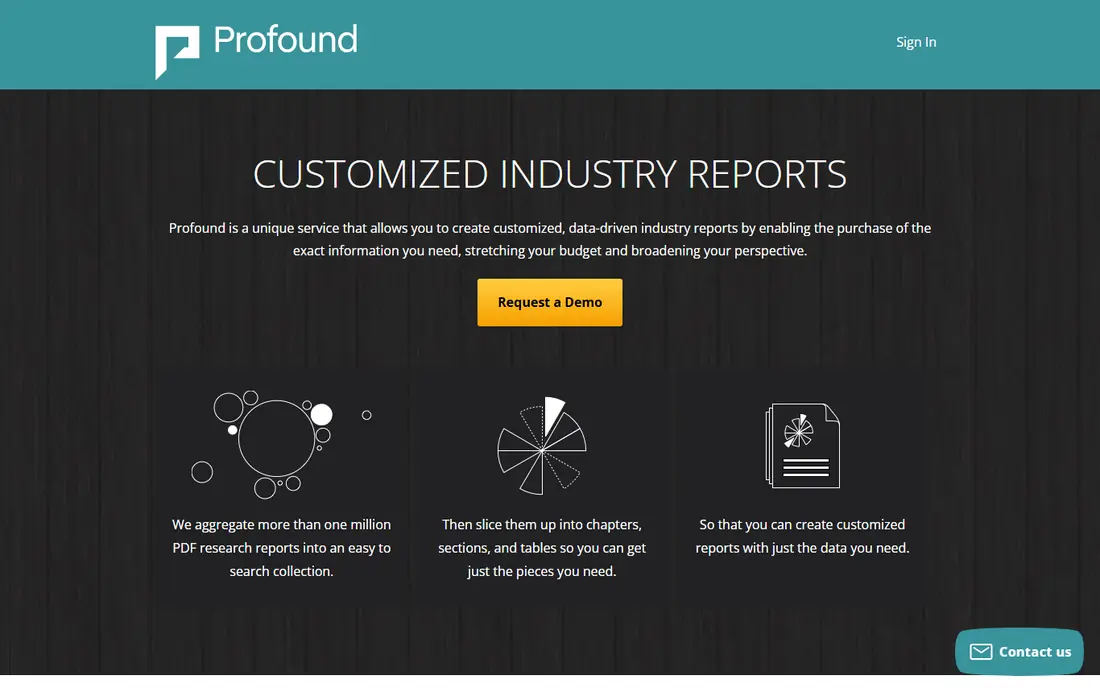
Profound is the enterprise standard on this list for LLM tracking, with prompt-level data, citation sources, sentiment and competitor share of voice across answer engines. You can track how often models mention your brand, which pages they cite, how sentiment shifts, and where competitors win the same prompts, then share trends with marketing and product teams.
It fits a large brand that reports LLM visibility to leadership and needs reliable history, permissions and trend alerts. The catch is price and plan scope, because the widest engine coverage sits on higher tiers, so get the engine and prompt list for your exact plan in writing.
- Prompt-level LLM tracking
- Citation and sentiment data
- Competitor benchmarking
- Higher cost
- Top engine coverage on higher plans

Peec AI makes LLM tracking easy to explain, because its reports show visibility, position, sentiment and cited sources in a format a client can read without a technical briefing. You can track prompts across chosen models, compare competitors, and use agency reporting for several clients, which saves time on monthly updates.
It fits an agency or lean brand team that manages multiple brands and needs repeatable, client-ready LLM reports. The catch is model choice, because the entry plan covers a limited set of models, so start with the models your buyers use most and add others only with a clear need.
- LLM visibility, position and sentiment
- Citation sources
- Agency dashboards
- Entry plan limits model choice
- Extra models cost more
Otterly AI is the budget entry point for LLM tracking, with daily monitoring and the core reports a small team needs to spot a problem early. It tracks brand mentions, cited links, share of voice and sentiment across core models, and compares competitors, which is enough to see whether a new content push moves the needle.
It fits a small business or solo marketer who wants to watch a focused prompt list without an enterprise contract. The catch is add-ons and limits, because some models cost extra and the entry plan covers only a small prompt set, so prioritise buyer-intent prompts first.
- Daily LLM monitoring
- Citation links
- Share of voice and sentiment
- Some models are add-ons
- Entry prompt allowance is small
Semrush AI Visibility Toolkit
Best for: SEO teams who want LLM tracking inside a full SEO suite
Semrush AI Visibility Toolkit suits SEO teams that already use Semrush, because LLM tracking can sit next to keyword, backlink and traffic data. You can track brand mentions across AI engines, check sentiment, compare competitors, and link LLM findings to pages and rankings, which helps decide if a visibility gap is a content, authority or product page issue.
It fits an SEO team that treats LLM visibility as part of search, not a separate channel with a separate vendor. The catch is bundle detail, because toolkit inclusion and daily prompt refresh counts depend on the plan, so confirm those numbers before purchase.
- LLM mention tracking
- Sentiment analysis
- SEO context and reporting
- Needs the right bundle
- Prompt and engine limits vary by plan
Ahrefs Brand Radar
Best for: research teams who want market-wide LLM brand tracking
Ahrefs Brand Radar brings market research scale to LLM tracking, with a large prompt database and brand mention data across AI answers and the wider web. You can analyse share of voice by topic, see which brands dominate a category in LLM answers, and check how those answers relate to web and social signals.
It fits a research-led team that plans by topic and demand, and that wants LLM visibility as part of a broader market picture. The catch is cost, because a small team may pay for research breadth it rarely uses, so start with a few core topics and expand only when the data drives decisions.
- Large prompt database
- LLM mention and share of voice data
- Web context
- Costly for small teams
- Plan determines AI feature depth
Scrunch AI pairs LLM tracking with tools for how AI crawlers read your site, which gives a team both measurement and a fix list. You can track mentions and citations across models, watch trend scores, and explore an AI-focused site experience that serves structured content to agents, which helps technical and content teams act together.
It fits a brand with a dedicated growth team that has already fixed basic SEO and now wants to shape LLM answers more directly. The catch is price, because the entry tier targets teams with a real LLM visibility budget, so compare it with Otterly AI or Peec AI if you only need tracking.
- LLM monitoring and trend scoring
- Citation tracking
- Agent experience platform
- Higher entry price
- Some features suit larger teams
SE Ranking AI Visibility
Best for: SEO teams who want LLM tracking plus classic rankings
SE Ranking AI Visibility is a balanced LLM tracker for SEO teams, because it keeps LLM mention data next to classic rankings and competitor data. You can track prompts across ChatGPT, Gemini, AI Mode, AI Overviews and Perplexity, see cited URLs, and compare competitor visibility, all in one dashboard.
It fits a small to mid-size agency or in-house team that wants one report for both classic search and LLM answers. The catch is prompt budgeting, because allowances vary by plan, so build your list around buyer questions and category terms, not every keyword in your account.
- LLM mention tracking
- Classic rank data in same dashboard
- Competitor comparisons
- Prompt allowances vary by plan
- Setup needs a clear prompt list
Rankscale AI focuses on history, which matters for LLM tracking, because a trend line over months is more useful than a single mention score. You can track prompts over time, see how your brand rank and mention rate move, and compare competitors, which helps a team show whether content work actually changed LLM answers.
It fits a team that reports LLM visibility monthly and needs a clear before-and-after story for a campaign or content programme. The catch is scale, because Rankscale is smaller than Semrush or Ahrefs, so check its engine list, prompt limits and reporting options against your exact needs before committing.
- Historical prompt tracking
- LLM rank trends
- Competitor comparisons
- Smaller brand than rivals
- Engine list needs checking per plan
How we picked these
We compared official feature pages, pricing notes, engine coverage and reporting features for each tool, plus public comparison guides from 2026. We gave weight to prompt-level citation data, sentiment, competitor share of voice and trend history. We did not claim hands-on campaign results, and we left out tools that only tracked social mentions with no LLM answer data.
How to track LLM brand visibility without drowning in prompt data
Start with buyer prompts, not brand prompts
A buyer asking for the best option in your category is the prompt that wins new customers. Brand prompts show reputation, but unbranded prompts show demand capture.
Record citations every time
Save the cited domains and URLs for your top prompts each month. Those sources are your action list, because improving a cited page or earning a cited review can shift future answers.
Compare the same prompts for competitors
Use an identical prompt set for your brand and rivals, so share of voice changes reflect real movement, not a different prompt mix. Change the set only with a note and a date.
Report trends, not single runs
Model answers vary from run to run, so report a four-week mention rate and share of voice. A steady rise or fall over a month is worth acting on, while a one-day swing is not.
FAQ
What is LLM brand visibility?
LLM brand visibility is how often large language models mention, recommend or cite your brand when answering user prompts. It covers ChatGPT, Gemini, Claude, Perplexity and other AI answer engines.
How is LLM tracking different from SEO tracking?
SEO tracking records positions in a link list. LLM tracking records presence inside a generated answer, including mentions, citations, sentiment and competitor recommendations, where no click may happen.
How many prompts should I track?
Start with 25 to 50 buyer prompts, including comparisons, best-option questions and problem questions, plus a few branded prompts. Add more only when you have staff to act on the extra data.
Can a tool improve my LLM visibility?
A tool cannot improve visibility on its own. It shows where you appear, which sources are cited, and where competitors win, so your team can improve content, product facts and cited reviews.
Which LLMs should I track first?
For most US brands, start with ChatGPT, Gemini, Perplexity and Google AI surfaces, plus Claude if your buyers use it for research. Add other models only when they match your audience.