Best Tools for Small Business Link Building in 2026: 9 Tools Compared
Best tools for small business link building, compared across 9 legitimate outreach and SEO tools for earning links, with no paid-link schemes for small firms.
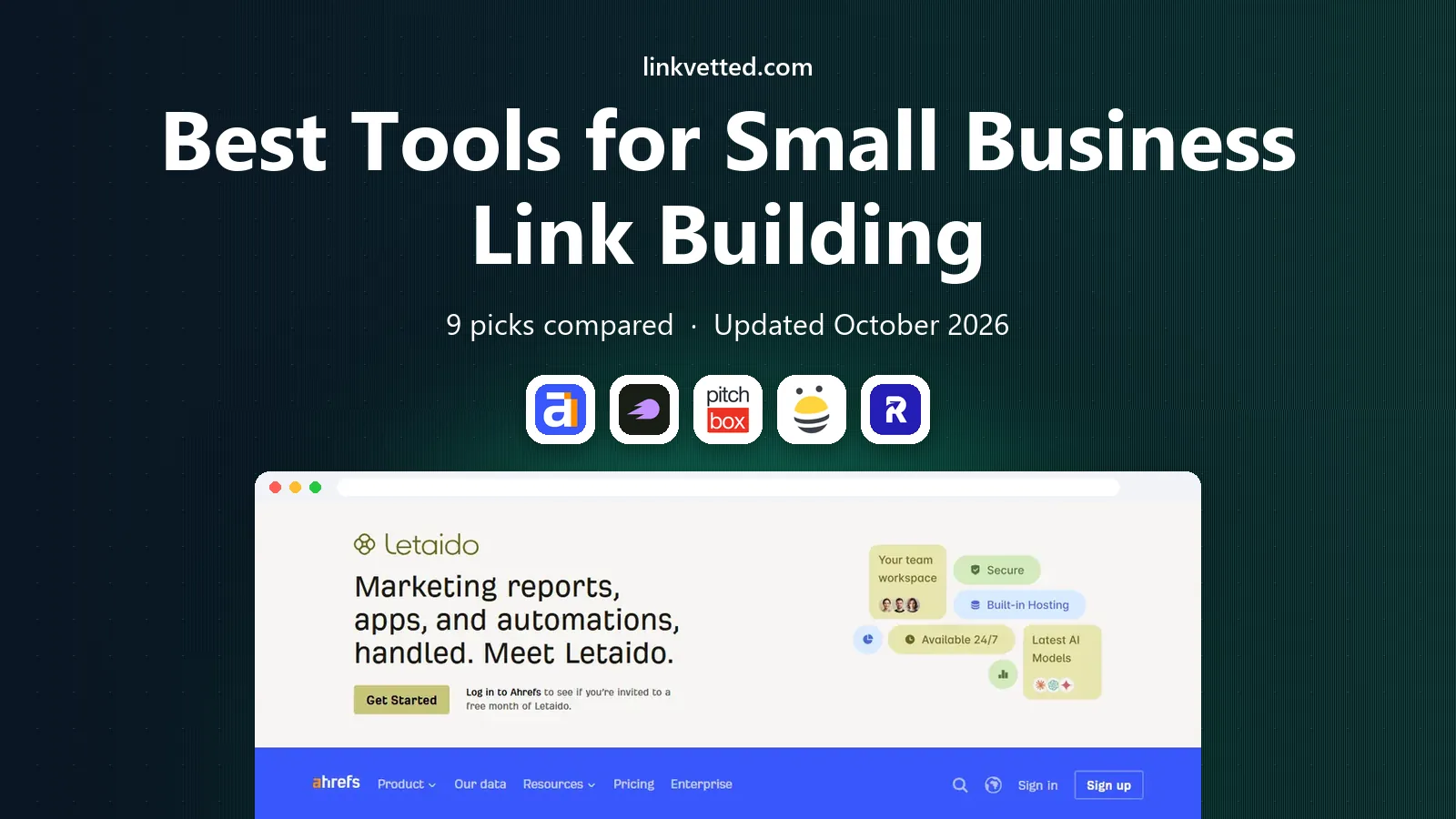
- Editor's choice
 Ahrefs
Backlink research
Starts atSee websiteVisit ahrefs.comFull review - Great alternative
 Semrush
All-in-one SEO and outreach
Starts atSee websiteVisit semrush.comFull review - Also consider
 Pitchbox
Outreach campaigns
Starts atSee websiteVisit pitchbox.comFull review
TL;DR:
- This list covers only legitimate link building tools: research, outreach, and digital PR tools that help you earn links, not buy them.
- Ahrefs and Semrush lead for finding link opportunities, checking backlinks, and tracking competitors in one place.
- Pitchbox, BuzzStream, and Respona lead for managing outreach campaigns without losing track of conversations.
- Hunter, Moz, and Majestic add contact finding, domain checks, and link history that small teams need before outreach.
- Paid-link marketplaces that sell links in bulk violate search guidelines and risk penalties, so they are deliberately excluded here.
Quick comparison
| Tool | Best for | Starts at | Free plan? | |
|---|---|---|---|---|
| Ahrefs | Backlink research | See website | Free trial | Visit |
| Semrush | All-in-one SEO and outreach | See website | Free trial | Visit |
| Pitchbox | Outreach campaigns | See website | Free trial | Visit |
 BuzzStream | Relationship outreach | See website | Free trial | Visit |
 Respona | AI-assisted outreach | See website | Free trial | Visit |
 Hunter | Finding contact emails | See website | Yes | Visit |
 Moz Pro | Domain and link checks | See website | Free trial | Visit |
 Majestic | Backlink history | See website | Free trial | Visit |
 Connectively | Journalist requests | See website | Free trial | Visit |
The best tools for small business link building
Link building for a small business should mean earning links by creating useful content, building real relationships, and getting mentioned by relevant sites. The tools below help you find prospects, check their quality, send personal outreach, and track replies. They do not sell links, and they should not be used to run link schemes.

Ahrefs is the first tool most link builders open, because its Site Explorer shows who links to you, who links to competitors, and which pages earn the most links. That competitor view is the core of legitimate link building: if a relevant site links to three rivals, it may link to your better guide as well. Ahrefs also tracks new and lost links, so you can see when outreach works.
The cost is real for a small business, and full data needs a paid plan. Start with a focused project: one competitor set, one content type, and a short prospect list. Used that way, Ahrefs pays for itself by preventing wasted outreach to low-quality or irrelevant sites.
- Large backlink index
- Strong competitor analysis
- Useful content gap tools
- Paid plans are needed for full data
- Learning curve for new SEO users
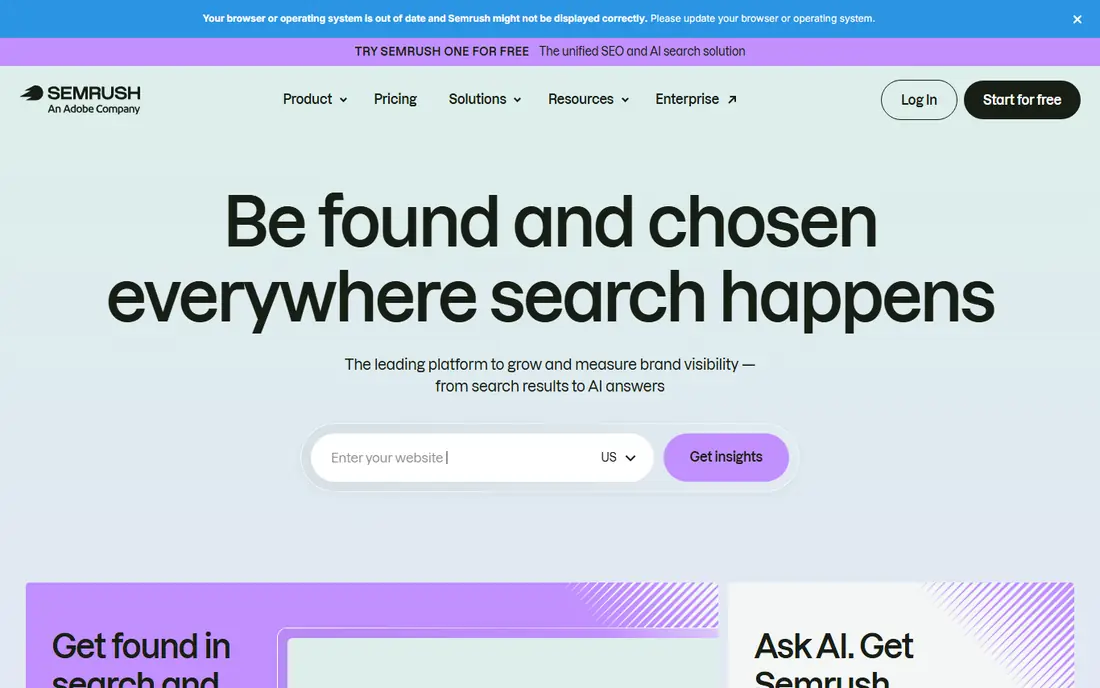
Semrush combines backlink research, outreach, keyword research, and site audits in one platform, which suits a small business that cannot buy five separate tools. Its Link Building Tool finds prospects based on competitors and keywords, then helps manage outreach emails and track replies. That workflow keeps a small team organized without a separate CRM for links.
The breadth can feel crowded at first, and the link module works best after you set target keywords and competitors carefully. For a small business that also needs SEO audits and keyword tracking, Semrush offers strong value as a single subscription.
- Backlink tools plus outreach workflow
- Keyword and audit tools in one place
- Good reporting
- Interface can feel crowded
- Link building module needs setup

Pitchbox is built for outreach at scale, with prospecting, personalized email sequences, follow-ups, and team assignments in one workflow. It helps small businesses and agencies run blogger outreach, digital PR, and resource page campaigns without losing track of who replied, who declined, and who needs a follow-up. Reporting shows which templates and prospect types actually earn links.
Pricing is higher than basic outreach tools, and setup needs a clear campaign plan. For a small business that runs regular outreach, or an agency handling several clients, Pitchbox saves hours of spreadsheet work. For a one-off campaign, a simpler tool may be enough.
- Automated prospecting and follow-ups
- Team workflow
- Good reporting
- Pricing is aimed at agencies and larger teams
- Setup takes time
BuzzStream focuses on relationships, not just email blasts. It stores contacts, conversation history, and link status, so a small team can build a real prospect list over time and avoid emailing the same person twice with the same pitch. That history matters, since the best links often come from a second or third genuine interaction, not a first cold email.
Discovery is less automated than Pitchbox, and the interface is functional rather than modern. For a small business that values long-term press, blogger, and partner relationships, BuzzStream is a steady, practical CRM for link building.
- Contact and conversation history
- Link tracking
- Good for long-term relationships
- Interface feels dated
- Prospect discovery is less automated than Pitchbox
Respona combines prospect search, email finding, and AI-assisted personalization for outreach campaigns. It can pull relevant details about a prospect site and suggest a personal opening line, which helps small teams send outreach that does not read like a template. Campaign tracking shows opens, replies, and link placements.
AI drafts must be edited. A generic AI line that gets the prospect details wrong will hurt more than a short, honest manual note. Used as a drafting aid with human review, Respona speeds up legitimate outreach without turning it into spam. Check contact limits on each plan before scaling a campaign.
- AI personalization help
- Prospect search
- Campaign tracking
- AI drafts still need human editing
- Pricing rises with contacts
Hunter finds and verifies professional email addresses for a domain, which is often the first step in legitimate outreach. A small business can use it to find the right editor, marketing manager, or site owner, verify the address, and avoid bouncing emails that harm sender reputation. The free tier covers small monthly searches, which fits occasional campaigns.
Hunter does not manage full campaigns, so pair it with BuzzStream, Pitchbox, or a simple spreadsheet for follow-ups. Also respect privacy and outreach rules: only contact people about a relevant, genuine opportunity, and always offer a clear way to opt out.
- Fast email finder and verifier
- Free tier for small use
- Simple interface
- Not a full outreach platform
- Data accuracy varies by domain
Moz Pro offers Link Explorer for backlink checks, Domain Authority as a rough quality signal, and a strong set of learning guides for beginners. For a small business owner learning link building, Moz learning resources are a real advantage, since they explain what a good link looks like and why spammy links hurt.
The backlink index is smaller than Ahrefs, and its link tools are less deep for advanced competitor work. Use Moz as a quality check and learning companion, and pair it with Ahrefs or Semrush if you need the largest link index for prospecting.
- Domain Authority checks
- Link explorer
- Good learning resources
- Backlink index is smaller than Ahrefs
- Link tools are less deep
Majestic is known for its historic backlink index and its Trust Flow and Citation Flow metrics, which help judge link quality beyond raw count. It shows link context, anchor text, and history, which helps a small business spot whether a prospect site has a natural link profile or a spammy one. That check is essential before outreach.
The interface is technical, and Majestic does not offer a full outreach workflow, so it works best as a research tool alongside Pitchbox or BuzzStream. For link quality checks and competitor history, it remains a respected specialist tool.
- Deep historic backlink index
- Trust Flow and Citation Flow
- Useful link context
- Interface is technical
- Less outreach workflow than rivals
Connectively, formerly HARO, connects journalists with expert sources who can provide quotes for stories. For a small business, answering relevant journalist requests is one of the most legitimate ways to earn high-quality links and mentions, since the link comes from editorial coverage, not payment. It suits founders and experts with real experience to share.
Competition is high, and not every pitch gets picked up. Respond quickly, answer the exact question, and include only relevant credentials. Connectively will not replace prospect outreach, but as a digital PR channel, it can earn links that paid schemes never will.
- Journalist and expert requests
- Good for digital PR
- Direct expert quotes
- Response volume is competitive
- Not a general outreach tool
How we picked these
We compared official feature pages, pricing pages, and public documentation for link building and SEO tools, and we favored products that support legitimate, editorial link earning: research, prospecting, outreach management, and digital PR. We deliberately excluded paid-link marketplaces, link farms, and bulk link sellers, since those practices violate search guidelines and put a small business site at risk of a penalty.
What to check before you buy link building tools for a small business
Start with your content. No tool can earn links for a thin or irrelevant page, so create a guide, study, tool, or resource that a relevant site would actually want to reference. Then use research tools to find sites that already link to similar content, and check their quality with Moz or Majestic before outreach.
Next, plan outreach like a human conversation. Personalize each pitch with a real reason the link helps their readers, keep emails short, and follow up once, politely. Track replies and placements, and stop emailing sites that decline. Finally, check your own backlink profile monthly for spammy links, and disavow only after careful review if Google guidance suggests it.
Legitimate tactics to prioritize
Resource page outreach, digital PR, expert quotes, original data, and genuine partner mentions all earn links that last. Guest posts can work when the site is relevant, the post is useful, and the link is editorial, not paid. Avoid exact-match anchor schemes, private blog networks, and any service that promises a set number of links for a flat fee.
Measuring link building
Track referring domains, relevant traffic from those links, and rankings for target pages, not just total link count. One link from a relevant, trusted site often beats ten links from low-quality directories. Review results quarterly and shift effort toward the prospect types that actually convert to placements.
FAQ
What are the best tools for small business link building?
Ahrefs or Semrush for research, plus Pitchbox, BuzzStream, or Respona for outreach, cover most small business needs. Hunter helps find contacts, while Moz and Majestic help check link quality before you pitch.
Should a small business buy links?
No. Buying links in bulk, using link farms, or joining paid-link schemes violates search guidelines and risks a manual penalty or ranking loss. Earn links through useful content, outreach, and digital PR instead, even though it takes longer.
How long does link building take to work?
Often several weeks to months, since outreach, editorial review, and indexing all take time. A small business should expect gradual gains from consistent outreach, not instant ranking jumps, and should be wary of any service that promises instant results.
Is HARO still useful for link building?
Yes, under its new name Connectively. Answering journalist requests with relevant expertise can earn editorial links and mentions, but competition is high, so respond quickly and only to requests that match your expertise.
How many links does a small business need?
There is no fixed number. Relevance and trust matter more than count, so focus on links from sites in your niche or local area that real readers visit, and build steadily rather than chasing a large total.