Best tools for motion design in 2026: 9 Options Compared
We compared 9 best tools for motion design for 2026 on price, features and ease of use, to help you pick the option that fits your needs, budget and daily.
- Editor's choice
 Adobe After Effects
pro motion
Starts atSee websiteVisit adobe.comFull review - Great alternative
 Blender
free 3D motion
Starts atFreeVisit blender.orgFull review - Also consider
 Cinema 4D
3D motion
Starts atSee websiteVisit maxon.netFull review
TL;DR:
- Our top pick for most people is Adobe After Effects for pro motion, with a clear route to start and a broad set of core features that cover daily use well.
- Blender stands out for free 3D motion, while Cinema 4D is a strong choice for 3D motion when you want a simpler path in.
- Prices vary widely across this list, so check the official pricing page before you pay, as plans and free tiers change often and limits matter.
- We compared official feature pages, pricing pages and app store listings, and we favoured options with clear privacy terms and steady support for new users.
Quick comparison
| Tool | Best for | Starts at | Free plan? | |
|---|---|---|---|---|
| Adobe After Effects | pro motion | See website | Free trial | Visit |
| Blender | free 3D motion | Free | Yes | Visit |
| Cinema 4D | 3D motion | See website | Free trial | Visit |
 DaVinci Resolve Fusion | video and motion | Free | Yes | Visit |
 Cavalry | 2D motion | Free | Yes | Visit |
 Rive | interactive motion | Free | Yes | Visit |
 LottieFiles | web animations | Free | Yes | Visit |
 Moho | 2D animation | See website | Free trial | Visit |
 Houdini | pro effects | See website | Free trial | Visit |
The best tools for motion design
We looked at official pages, pricing and public reviews to compare 9 tools for motion design that fit this topic in the US in 2026. Our list mixes well known leaders with strong smaller options, so you can find a fit for a tight budget or a larger team. Read the short notes below, then test a free plan or trial when one is offered before you commit.
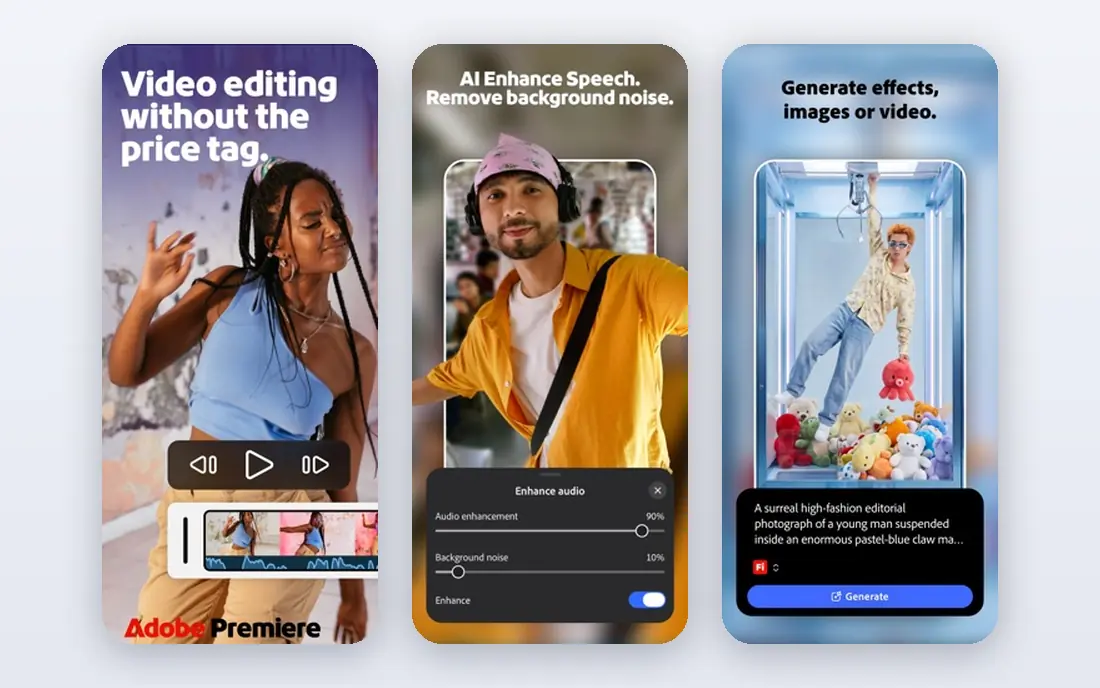
For pro motion, Adobe After Effects is a strong place to start. Adobe After Effects is known for industry standard motion tools and useful effects, which makes daily use straightforward for pro motion. In our review of its official pages, we noted good for pros as a practical plus, along with help and guides that help new users get started without a steep learning curve. The catch is subscription cost adds up, and learning takes time can also frustrate some users. Pricing is listed as See website in our table, so check the vendor site for current plans and any limits on the free plan before you commit. For daily use, Adobe After Effects works best when you start with one core job and add other features only when you need them.
- Industry standard motion tools
- Useful effects
- Good for pros
- Subscription cost adds up
- Learning takes time
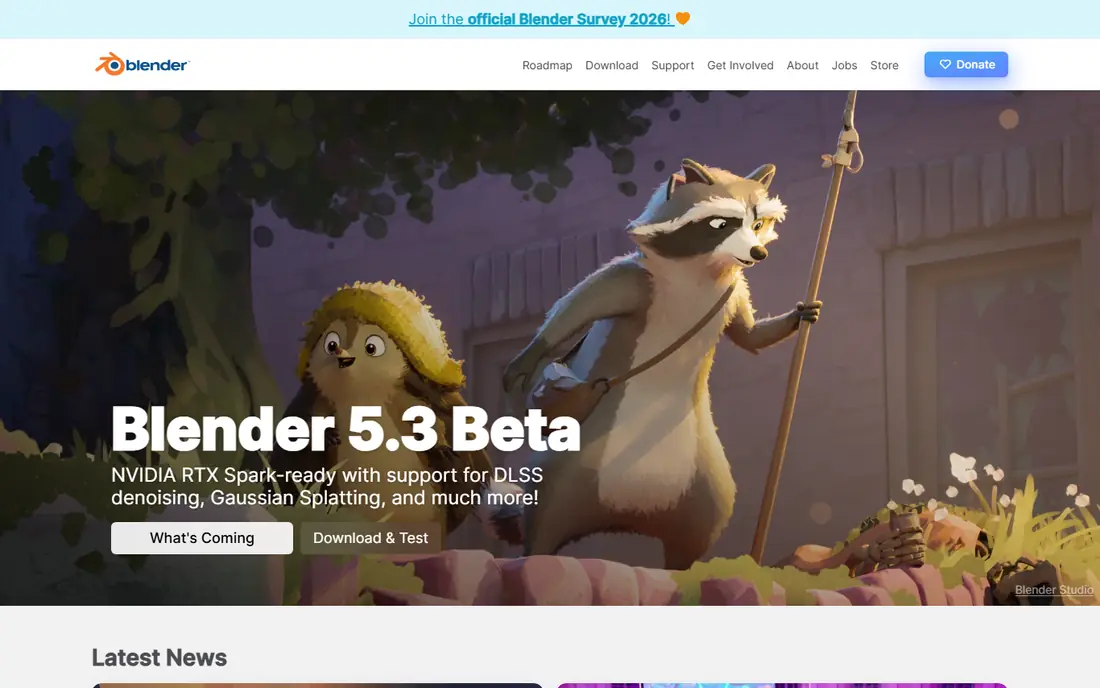
If free 3D motion is your main need, Blender deserves a close look. Blender is known for free 3D and motion tools and huge community, which makes daily use straightforward for free 3D motion. In our review of its official pages, we noted good for all levels as a practical plus, along with help and guides that help new users get started without a steep learning curve. The catch is learning takes time, and the interface feels busy can also frustrate some users. Pricing is listed as Free in our table, so check the vendor site for current plans and any limits on the free plan before you commit. Start with the core job you do most often, and judge Blender on that job before you look at extra features.
- Free 3D and motion tools
- Huge community
- Good for all levels
- Learning takes time
- The interface feels busy
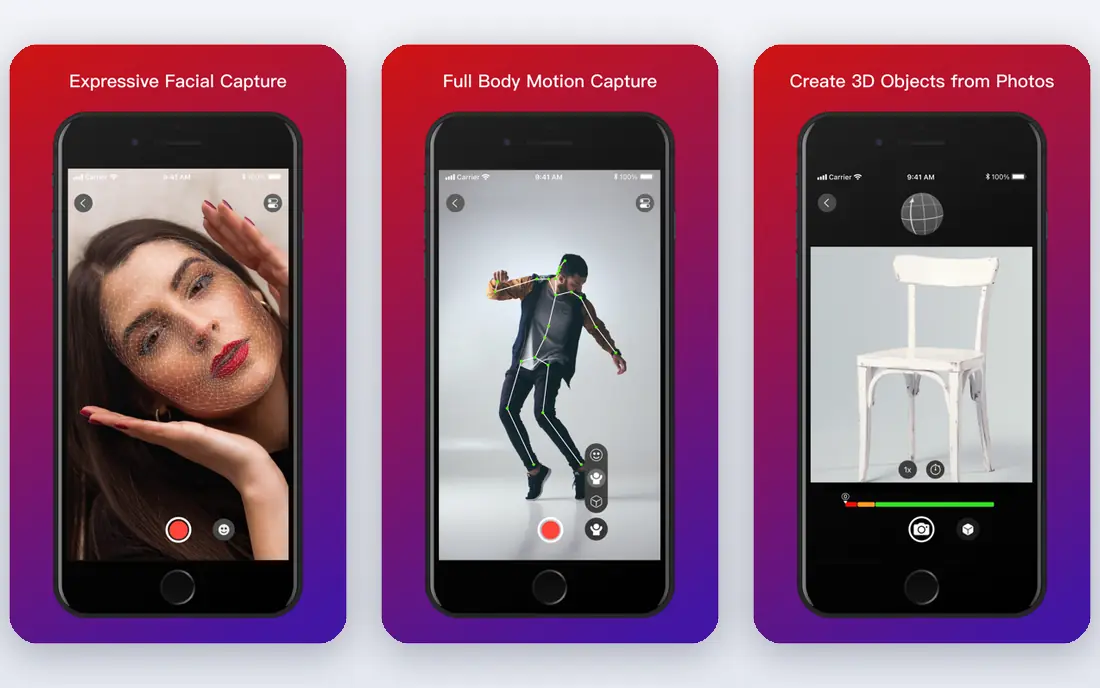
Cinema 4D suits 3D motion well, with a focus on strong 3D motion tools. Cinema 4D is known for strong 3D motion tools and useful for broadcast, which makes daily use straightforward for 3D motion. In our review of its official pages, we noted good for pros as a practical plus, along with help and guides that help new users get started without a steep learning curve. The catch is price is higher, and learning takes time can also frustrate some users. Pricing is listed as See website in our table, so check the vendor site for current plans and any limits on the free plan before you commit. A short trial with your real tasks will tell you more about Cinema 4D than a long feature list.
- Strong 3D motion tools
- Useful for broadcast
- Good for pros
- Price is higher
- Learning takes time
A practical pick for video and motion, DaVinci Resolve Fusion keeps the focus on useful for video. DaVinci Resolve Fusion is known for free Fusion motion tools and useful for video, which makes daily use straightforward for video and motion. In our review of its official pages, we noted good for editors as a practical plus, along with help and guides that help new users get started without a steep learning curve. The catch is learning takes time, and hardware needs are higher can also frustrate some users. Pricing is listed as Free in our table, so check the vendor site for current plans and any limits on the free plan before you commit. For daily use, DaVinci Resolve Fusion works best when you start with one core job and add other features only when you need them.
- Free Fusion motion tools
- Useful for video
- Good for editors
- Learning takes time
- Hardware needs are higher
We would point 2D motion buyers toward Cavalry first for its fast 2D motion tools. Cavalry is known for fast 2D motion tools and useful for ads, which makes daily use straightforward for 2D motion. In our review of its official pages, we noted good for designers as a practical plus, along with help and guides that help new users get started without a steep learning curve. The catch is some features need a paid plan, and the tool is newer than rivals can also frustrate some users. Pricing is listed as Free in our table, so check the vendor site for current plans and any limits on the free plan before you commit. Start with the core job you do most often, and judge Cavalry on that job before you look at extra features.
- Fast 2D motion tools
- Useful for ads
- Good for designers
- Some features need a paid plan
- The tool is newer than rivals
For interactive motion, Rive is a strong place to start. Rive is known for interactive animations and useful for apps and web, which makes daily use straightforward for interactive motion. In our review of its official pages, we noted good for teams as a practical plus, along with help and guides that help new users get started without a steep learning curve. The catch is learning takes time, and some features need a paid plan can also frustrate some users. Pricing is listed as Free in our table, so check the vendor site for current plans and any limits on the free plan before you commit. A short trial with your real tasks will tell you more about Rive than a long feature list.
- Interactive animations
- Useful for apps and web
- Good for teams
- Learning takes time
- Some features need a paid plan
If web animations is your main need, LottieFiles deserves a close look. LottieFiles is known for huge Lottie library and useful for apps, which makes daily use straightforward for web animations. In our review of its official pages, we noted good for developers as a practical plus, along with help and guides that help new users get started without a steep learning curve. The catch is editing tools are basic, and some features need a paid plan can also frustrate some users. Pricing is listed as Free in our table, so check the vendor site for current plans and any limits on the free plan before you commit. For daily use, LottieFiles works best when you start with one core job and add other features only when you need them.
- Huge Lottie library
- Useful for apps
- Good for developers
- Editing tools are basic
- Some features need a paid plan
Moho suits 2D animation well, with a focus on useful 2D animation. Moho is known for useful 2D animation and good for cartoons, which makes daily use straightforward for 2D animation. In our review of its official pages, we noted simple rigging as a practical plus, along with help and guides that help new users get started without a steep learning curve. The catch is the interface feels dated, and learning takes time can also frustrate some users. Pricing is listed as See website in our table, so check the vendor site for current plans and any limits on the free plan before you commit. Start with the core job you do most often, and judge Moho on that job before you look at extra features.
- Useful 2D animation
- Good for cartoons
- Simple rigging
- The interface feels dated
- Learning takes time
A practical pick for pro effects, Houdini keeps the focus on useful for film. Houdini is known for strong procedural effects and useful for film, which makes daily use straightforward for pro effects. In our review of its official pages, we noted good for pros as a practical plus, along with help and guides that help new users get started without a steep learning curve. The catch is price and learning are high, and best for specialists can also frustrate some users. Pricing is listed as See website in our table, so check the vendor site for current plans and any limits on the free plan before you commit. A short trial with your real tasks will tell you more about Houdini than a long feature list.
- Strong procedural effects
- Useful for film
- Good for pros
- Price and learning are high
- Best for specialists
How we picked these
We started with a long list of tools for motion design that claim to fit this topic, then kept only options that exist today, load on an official homepage and match the topic in a direct way. We checked official feature pages for what each option actually does, pricing pages for current plans and free tiers, and app store listings and public reviews for signs of steady support and clear privacy terms. We removed options that were shut down, that only partly matched the topic, or that hid pricing and terms behind unclear pages. We kept a mix of leaders and smaller options, so the list is useful for beginners and for buyers who already know what they need. Prices in this guide are starting prices or See website where a vendor does not publish a simple starting price.
How to choose the right tools for motion design
Start with the job you need done most days, not with the longest feature list. A strong tools for motion design choice should handle that core job well, fit your budget, and feel easy to use after the first week. If you only need the basics, a free plan may be enough, and you can upgrade later when your needs grow.
What to check first
Check device support, account limits and export options before you sign up for any tools for motion design option. Look at the official help pages for setup steps, and read the privacy terms for how your data is stored and shared. A short trial with your real tasks will tell you more than a long feature list, so use that trial to test the parts you will use every day.
Pricing and free plans
Compare the starting price with the price for the plan you will actually need, as free plans often cap users, storage or exports. Check renewal terms, fees for extra users and what happens when a trial ends, so you are not surprised by a later bill. When a vendor lists See website, open its pricing page and note the plan that matches your team size and use.
Fit for your daily use
Think about who else will use the tool, how often you will open it, and what else it needs to work with. The best tools for motion design for a solo user can differ from the best choice for a team, so shortlist two or three options and compare them side by side on your top three needs. Pick the one that feels clear on day one, as that is the one you are most likely to keep using.
FAQ
What is the best tools for motion design for most people?
For most people, Adobe After Effects is a good starting point, as it covers the core needs for pro motion and has a clear route to start. Your best choice still depends on budget, device and how often you will use it. Shortlist two or three options from this list and test the free plan or trial before you pay.
Is there a free tools for motion design option worth using?
Yes, several options on this list offer a free plan or trial, including Blender and Cinema 4D. Free plans usually cap some features, so check limits on users, storage or exports. If the free plan covers your core job, it can be a good long term choice.
How much does tools for motion design cost?
Costs vary widely, from free plans to paid plans that are listed as See website in our table. Check the official pricing page for the plan that fits your use, and compare renewal terms before you commit. A lower starting price is not always cheaper once you add the features you need.
How do I pick between tools for motion design options?
List your top three needs, then compare two or three options on those needs alone, using official feature and pricing pages. Test a trial with real tasks, check support and privacy terms, and note any limits that would block daily use. The option that handles your core job with the least friction is usually the right pick.
Can I switch tools for motion design options later?
In most cases yes, but switching can take time if you need to move data, settings or team accounts. Check export options before you sign up, and keep a copy of key data where you can reach it. A clear export path makes it easier to change later if your needs shift.