Best Tai Chi App in 2026: 9 Apps Compared
Compare the best tai chi app in 2026, with beginner programs, chair options, and structured courses, to find a practice that fits your level today in detail.
- Editor's choice
 Reverse Health
Structured beginner program
Starts atSee websiteVisit reversehealth.comFull review - Great alternative
 Yoga-Go
Tai chi inside a wider fitness app
Starts atSee websiteVisit yoga-go.ioFull review - Also consider
 MadMuscles
Personalized plans with tai chi
Starts atSee websiteVisit madmuscles.comFull review
TL;DR:
- Beginners do best with a structured program, not a random library of videos, because form and pacing matter from the first session.
- Chair and seated options make tai chi accessible for older adults and people with limited mobility.
- Short daily sessions of 10 to 20 minutes beat occasional long sessions for building a habit.
- The best tai chi app for you depends on whether you want a general fitness app with tai chi, or a dedicated tai chi course.
Quick comparison
| Tool | Best for | Starts at | Free plan? | |
|---|---|---|---|---|
| Reverse Health | Structured beginner program | See website | Free trial | Visit |
| Yoga-Go | Tai chi inside a wider fitness app | See website | Yes | Visit |
| MadMuscles | Personalized plans with tai chi | See website | Yes | Visit |
 Tai Chi for Health Institute | Health-focused Yang style courses | See website | No | Visit |
 YMAA | Traditional forms and instruction | See website | No | Visit |
 Tai Chi Foundation | Live and online classes | See website | No | Visit |
 Glo | Guided classes in a wellness app | See website | Free trial | Visit |
 Holden Qigong | Qigong and tai chi practice | See website | Yes | Visit |
 SilverSneakers | Tai chi classes for eligible members | Free | Yes | Visit |
The best tai chi app
We compared official feature pages, pricing pages, app store listings, privacy policies, and public reviews, with a focus on beginner structure, session length, chair options, and instructor clarity.

Reverse Health offers a structured tai chi program that suits beginners who want a clear path, not a loose video library. Sessions build step by step, with guidance on posture and weight shifts, which helps new students avoid guessing at form. The program also fits into a wider health routine for adults over 40, which is its main audience. The trade is that tai chi sits inside a broader lifestyle program, so purists who want only traditional forms may want a more focused course. For a beginner who wants structure, gentle pacing, and a plan to follow each day, Reverse Health is a strong first pick.
- Structured journey for beginners
- Multi-angle video guidance
- Focus on balance and gentle movement
- Program is broader than tai chi alone
- Pricing needs checking on the site
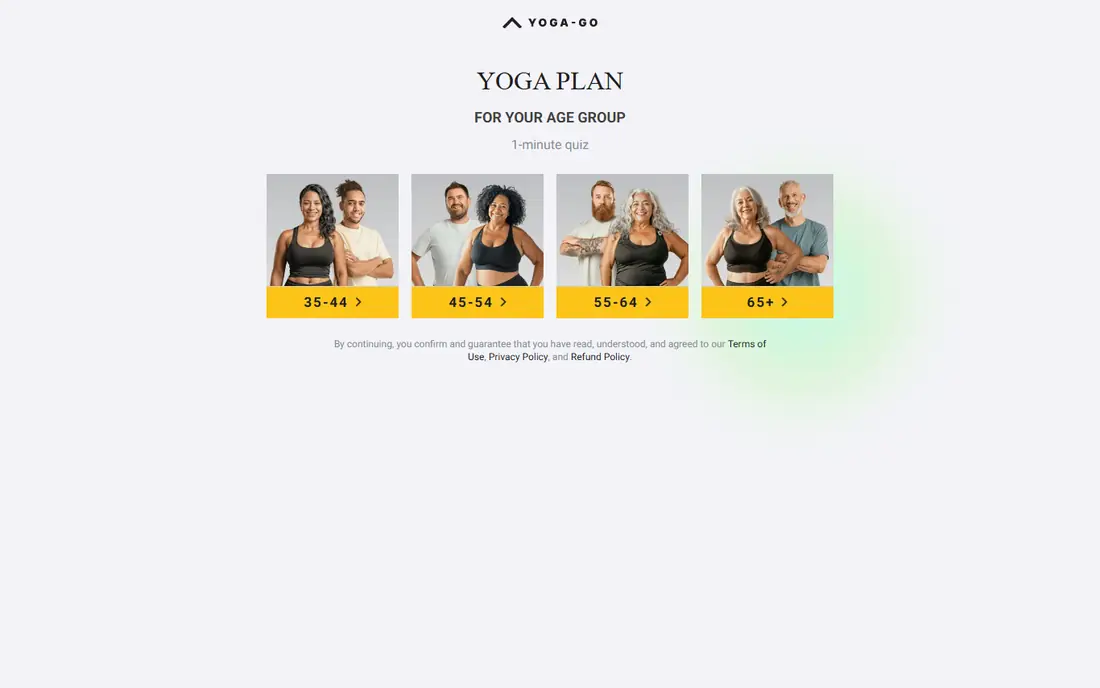
Yoga-Go includes a tai chi program inside a wider fitness app, alongside chair yoga, Pilates, and stretching. That mix suits someone who wants tai chi a few days a week and other gentle movement on other days, all in one subscription. Sessions are guided and app-based, so you can practice at home without equipment. The limit is depth. Yoga-Go will not teach a full traditional form in the way a dedicated school does, and advanced students may outgrow it. For a beginner who wants variety and a simple daily routine, it is a practical and flexible choice.
- Tai chi plus chair yoga, Pilates, and stretching
- Guided plans by goal
- App-based sessions at home
- Tai chi is one track among many
- Depth is less than a dedicated tai chi school

MadMuscles builds a personalized plan from a quiz, then includes tai chi sessions alongside chair workouts, walking, and other gentle training. Sessions are short, often 10 to 20 minutes, which makes daily practice realistic. The app also offers adaptive options for users with limited mobility, which is a useful strength. Because MadMuscles is a general fitness app, its tai chi track is not as deep as a specialist course. For a beginner who wants a tailored plan, progress tracking, and more than tai chi alone, it is a good fit. For traditional form study, pair it with a dedicated school later.
- Personalized plan from a short quiz
- Tai chi, chair workouts, and walking options
- Short sessions for busy days
- Tai chi is part of a general fitness plan
- Subscription needed for full access
Tai Chi for Health Institute
Best for: Health-focused Yang style courses
The Tai Chi for Health Institute, founded by Dr Paul Lam, offers health-focused Yang style programs with clear, step-by-step teaching. Its courses are widely used for arthritis, balance, and fall prevention, and the instruction is paced for beginners and older adults. That health focus makes it a trusted choice for people who want safe, modified movement. It is less of a slick fitness app and more of a course provider, so the experience feels more like a class than a daily app feed. If you want credible, health-oriented instruction and you are willing to follow a course structure, this is one of the strongest options here.
- Programs designed by Dr Paul Lam for health
- Clear, step-by-step teaching
- Options for arthritis and fall prevention
- Less app-like than fitness apps
- Some courses are paid and structured by level
YMAA, the Yang Martial Arts Association, offers traditional tai chi instruction through books, videos, and online courses. Its material goes deeper into form, posture, and theory than most fitness apps, which suits students who want to understand why each movement works. For a learner who plans to study for months or years, that depth matters. The downside is pace. YMAA material can feel demanding for a complete beginner who just wants a gentle daily routine. Start with its beginner material, take your time with each form, and use a simpler app for daily habit building if needed.
- Traditional Yang style instruction
- Books, videos, and online courses
- Deep form and theory content
- Can feel demanding for absolute beginners
- App experience is less central than courses
The Tai Chi Foundation offers live and online classes with a structured curriculum, which gives students feedback and community that an app alone cannot provide. Classes run across levels, from beginner to advanced, and teachers can correct form in a way a video cannot. That interaction helps students who worry about doing a movement wrong. Live classes need a set time, so they suit people who can commit to a schedule. If you want the accountability of a class and the chance to ask questions, the Foundation is a strong choice, and you can use an app for practice between classes.
- Live classes with qualified teachers
- Structured curriculum across levels
- Community and class interaction
- Class times may not suit every schedule
- Cost varies by course and teacher
Glo is a wellness app with guided classes in yoga, Pilates, meditation, and tai chi, which makes it easy to mix tai chi with other gentle practices. Classes are well produced, with clear instruction and a calm pace, and the trial lets you test whether the style suits you before you pay. For a user who already likes app-based wellness, Glo is a low friction way to add tai chi. Tai chi is a smaller track inside Glo than in a dedicated school, so progression through a full form is less detailed. For a beginner who wants variety and good production quality, it is a pleasant pick. For deep form study, use it alongside a specialist course.
- Guided tai chi and related movement classes
- Wide wellness library
- Trial to test the app
- Tai chi is a smaller part of the library
- Less form-specific progression than a school
Holden Qigong offers guided qigong and tai chi practice with a calm, accessible teaching style. Its flows suit beginners who want slow movement, breathing, and relaxation, and free starter content lets you try the style before you subscribe. Sessions are gentle and can be done in a small space, which helps home practice. The focus leans toward qigong, which shares roots with tai chi but is not identical to a traditional tai chi form. If you want energy, breath, and gentle movement rather than a strict form curriculum, Holden Qigong fits well. If you want a specific Yang form, check its course list first.
- Guided qigong and tai chi flows
- Free starter content
- Calm, accessible teaching style
- Qigong focus may differ from pure tai chi
- Full library needs a subscription
SilverSneakers offers tai chi and other gentle fitness classes for eligible older adults, both online and in person at participating locations. Classes are paced for seniors, with instructors who understand balance, joint concerns, and modified movement. For a member who qualifies, it is a low cost way to learn tai chi with a live teacher. Eligibility depends on your health plan, so not everyone can join, and class availability varies by location. Check your plan and the class schedule before you rely on it as your main practice. For eligible members, SilverSneakers is a practical way to add tai chi to a weekly routine.
- Tai chi classes online and in person
- Designed for older adults
- Included with many Medicare plans
- Eligibility depends on your health plan
- Class times and availability vary by location
How we picked these
We compared official feature pages, pricing pages, app store listings, privacy policies, and public reviews, and we favored programs with clear beginner structure, safe pacing, and options for limited mobility. We also checked whether tai chi was the main focus or one track among many, because that changes how deep the teaching goes. Price was noted, but we did not rank on price alone, since form quality matters more in this category.
How to start tai chi at home
Start small and stay consistent. A short session each day will teach your body the basic weight shifts faster than a long session once a week. Wear flat shoes or socks on a non-slip floor, clear a small space, and keep a sturdy chair nearby if balance is a concern. Stop if a movement causes sharp pain, and check with a clinician if you have a health condition that affects balance or joints.
Choose a style and a pace
Most beginners start with Yang style, because its slow, flowing movements are easier to follow and widely taught. Look for a program that breaks each movement into steps, shows foot placement clearly, and repeats the same form for several weeks. Avoid programs that rush through many forms in the first month, because that pace makes it hard to learn any one form well.
Build a daily habit
Pick a fixed time, such as after breakfast or before bed, and keep sessions to 10 to 20 minutes at first. Use the same program for at least a month before you judge it, and track simple markers such as balance, stiffness, and how calm you feel after practice. If you miss a day, return the next day without trying to make up the time in one long session.
When to seek a live teacher
An app can teach basic movements, but a live teacher can correct posture, weight shift, and breathing in person. Seek a class if you feel pain, if you cannot tell whether your form is correct, or if you want to progress beyond beginner forms. Many schools offer online classes, which give feedback without travel.
FAQ
What is the best tai chi app?
For a structured beginner program, Reverse Health is a strong pick, while Yoga-Go and MadMuscles suit users who want tai chi inside a wider fitness app. For health-focused Yang style teaching, the Tai Chi for Health Institute is a trusted choice. The best app depends on whether you want a daily fitness routine or a dedicated course.
Which tai chi app is best for beginners?
Reverse Health, Yoga-Go, and SilverSneakers classes are good for beginners because they offer short, guided sessions and step-by-step pacing. Look for clear foot placement, repeated forms, and a pace that lets you learn one movement before moving to the next. Avoid apps that rush through many forms in the first week.
What is the best app for tai chi for seniors?
Chair-friendly options in Yoga-Go and MadMuscles, plus health-focused courses from the Tai Chi for Health Institute, suit many seniors. Keep a chair nearby, start with short sessions, and choose a program with modified movements. Check with a clinician if you have balance, joint, or heart concerns.
Is a free tai chi app enough?
A free tai chi app can be enough to learn basic movements and build a habit, especially for a beginner. Paid programs usually add structure, progression, and more detailed instruction, which help after the first month. Start free, then pay only if you need deeper teaching or a structured course.
How long should a tai chi session last?
For beginners, 10 to 20 minutes a day is a good target, with longer sessions as stamina and form improve. Consistency matters more than length, so a short daily practice beats a long weekly session. Increase time gradually, and stop if you feel dizzy, sharp pain, or unusual fatigue.
What is the best rated tai chi app?
App store ratings vary by region and change over time, so check the current listing for the app you are considering. Ratings help, but they do not tell you whether the teaching style, form, or pacing suits you. Trial the free tier or free content first, and judge by how clear the instruction feels in practice.