Best Solar Sales Software in 2026: 8 Tools Compared
We compared the best solar sales software for design, proposals, financing, and CRM, covering Aurora, OpenSolar, Solargraf, and more for installers in 2026.
- Editor's choice
 Aurora Solar
Residential design and sales
Starts at$159 per user per monthVisit aurorasolar.comFull review - Great alternative
 OpenSolar
Small teams wanting free core tools
Starts atFreeVisit opensolar.comFull review - Also consider
 Solargraf
Enphase focused residential installers
Starts at$2,799 per yearVisit solargraf.comFull review
TL;DR:
- Aurora Solar leads for residential design accuracy, proposals, and permit ready outputs in one platform.
- OpenSolar suits small teams that want a free core platform with design, proposals, and CRM.
- Solargraf suits Enphase focused installers who want design and proposals in one ecosystem.
- HelioScope and Energy Toolbase suit commercial work, where financial modeling and detailed design matter more.
Quick comparison
| Tool | Best for | Starts at | Free plan? | |
|---|---|---|---|---|
| Aurora Solar | Residential design and sales | $159 per user per month | No | Visit |
| OpenSolar | Small teams wanting free core tools | Free | Yes | Visit |
| Solargraf | Enphase focused residential installers | $2,799 per year | No | Visit |
 HelioScope | Commercial and light commercial design | $159 per license per month | No | Visit |
 Arka 360 | Design and CRM in one platform | See website | No | Visit |
 Sunbase | Contractors needing proposals and operations | $59 per user per month | No | Visit |
 Energy Toolbase | Commercial financial modeling | $170 per user per month | No | Visit |
 Proposify | Sales teams needing polished proposals at scale | $35 per user per month | Free trial | Visit |
The best solar sales software
Solar sales software turns an address and a bill into a design, a production estimate, and a proposal a homeowner can sign. The best pick depends on residential or commercial focus, design accuracy, and how much CRM and financing work you need.
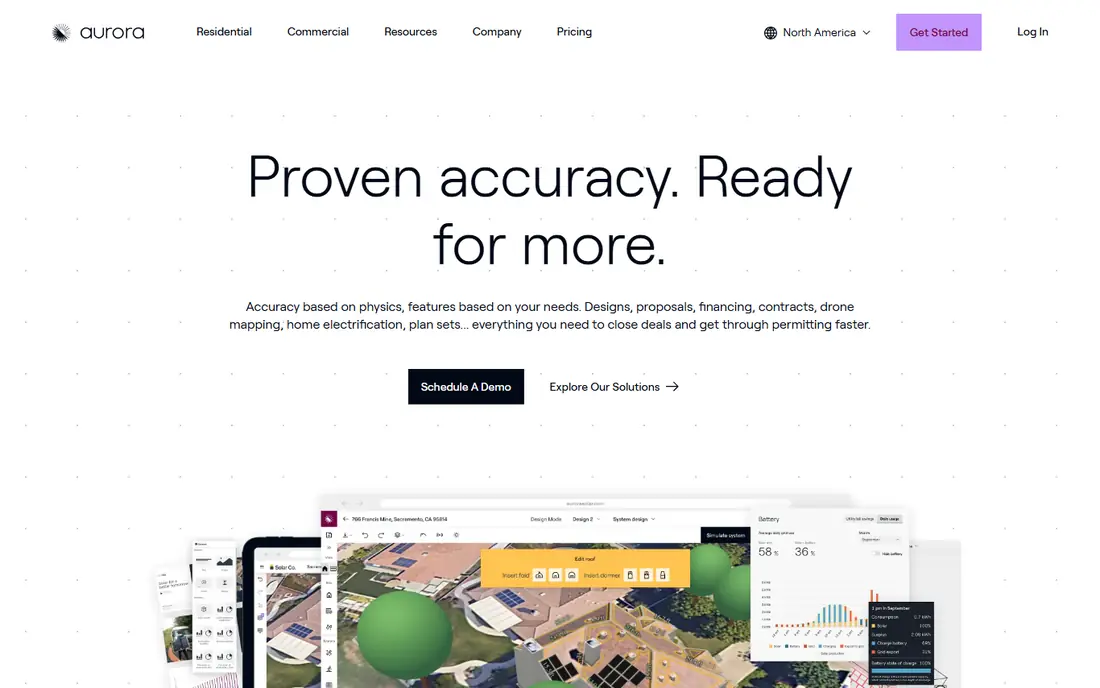
Aurora Solar is a strong choice for residential design and sales. Aurora Solar combines remote design, shading analysis, proposals, and permit outputs in one browser platform. In our comparison of official feature pages, pricing, and public reviews, it stood out for 3d design and shading.
The honest catch is that the per user price and credit costs can rise with volume, so model total cost first. That trade-off matters most when you scale, so test it on your real workload during a trial. Pick Aurora Solar when design accuracy and close rates justify a premium platform.
Pricing and plan details change often, so check the vendor page linked above before you buy. A short trial on your own data, with your own team, will tell you more than any feature list. If it fits that trial, it is likely to fit daily work too.
- 3D design and shading
- Proposals and financing
- Permit plan sets
- Per user cost adds up
- No free tier
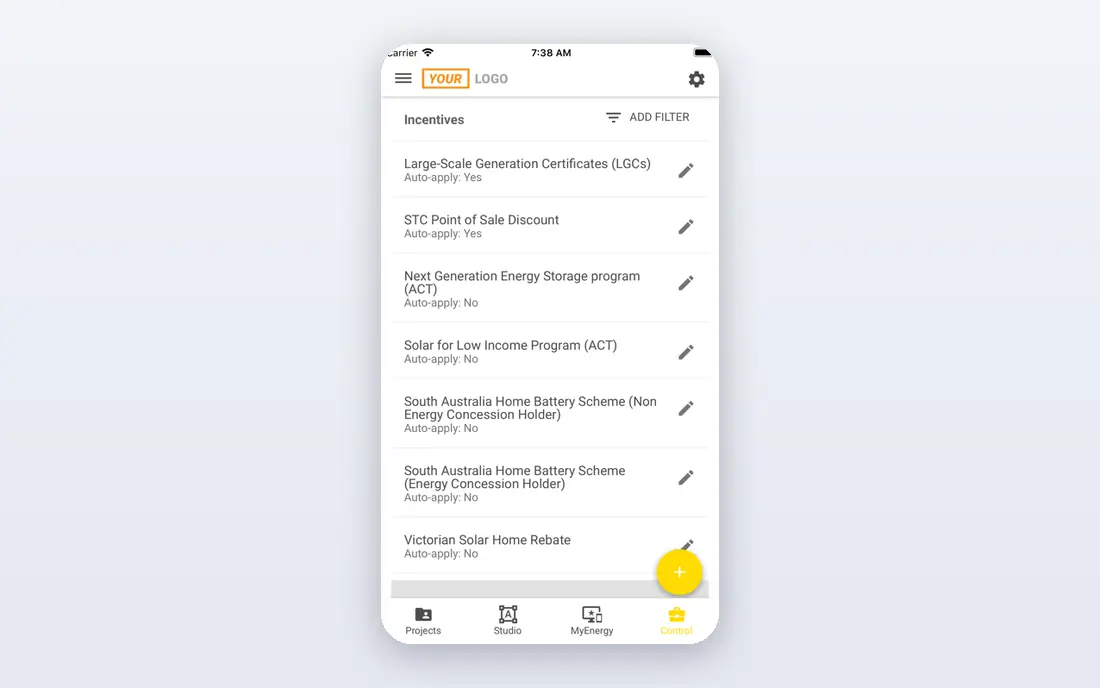
OpenSolar is a strong choice for small teams wanting free core tools. OpenSolar gives small residential teams design, proposals, and CRM at no core cost. In our comparison of official feature pages, pricing, and public reviews, it stood out for design and proposals.
The honest catch is that larger commercial projects may need deeper engineering tools. That trade-off matters most when you scale, so test it on your real workload during a trial. Pick OpenSolar when you are starting out or want to keep software costs low.
Pricing and plan details change often, so check the vendor page linked above before you buy. A short trial on your own data, with your own team, will tell you more than any feature list. If it fits that trial, it is likely to fit daily work too.
- Design and proposals
- Built-in CRM
- Financing options
- Commercial features are limited
- Support varies by plan
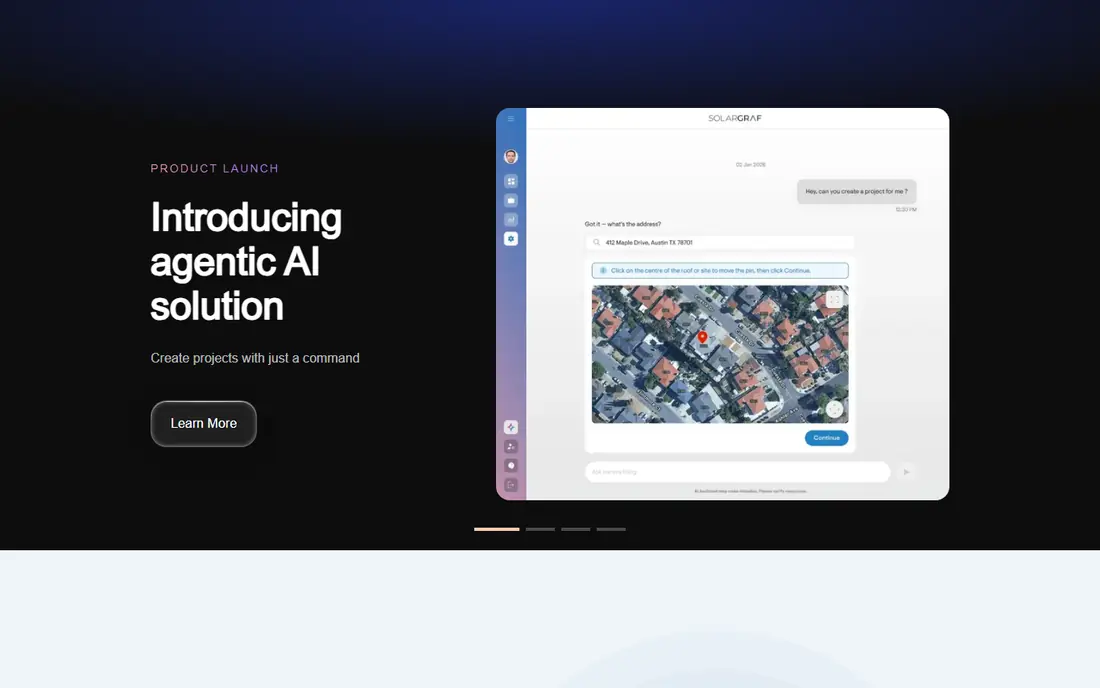
Solargraf is a strong choice for enphase focused residential installers. Solargraf suits installers in the Enphase ecosystem, with design, proposals, and permitting in one place. In our comparison of official feature pages, pricing, and public reviews, it stood out for ai design.
The honest catch is that teams using varied hardware may find the focus limiting. That trade-off matters most when you scale, so test it on your real workload during a trial. Pick Solargraf when Enphase hardware is central to your installs.
Pricing and plan details change often, so check the vendor page linked above before you buy. A short trial on your own data, with your own team, will tell you more than any feature list. If it fits that trial, it is likely to fit daily work too.
- AI design
- Live proposal editing
- Enphase ecosystem links
- Annual pricing
- Enphase focus may limit other hardware choices
HelioScope is a strong choice for commercial and light commercial design. HelioScope excels at commercial layouts, shading, and detailed engineering outputs. In our comparison of official feature pages, pricing, and public reviews, it stood out for detailed shading and layout.
The honest catch is that sales teams wanting polished consumer proposals may need another tool beside it. That trade-off matters most when you scale, so test it on your real workload during a trial. Pick HelioScope when commercial design accuracy matters more than consumer proposal polish.
Pricing and plan details change often, so check the vendor page linked above before you buy. A short trial on your own data, with your own team, will tell you more than any feature list. If it fits that trial, it is likely to fit daily work too.
- Detailed shading and layout
- Commercial modeling
- CAD export
- Proposal features are lighter than residential tools
Arka 360 is a strong choice for design and crm in one platform. Arka 360 pairs design with CRM tools and virtual surveys that cut site visits. In our comparison of official feature pages, pricing, and public reviews, it stood out for design tools.
The honest catch is that confirm which plan includes CRM and current pricing before signing. That trade-off matters most when you scale, so test it on your real workload during a trial. Pick Arka 360 when you want design and sales management in one platform.
Pricing and plan details change often, so check the vendor page linked above before you buy. A short trial on your own data, with your own team, will tell you more than any feature list. If it fits that trial, it is likely to fit daily work too.
- Design tools
- CRM add-on
- Virtual survey features
- Pricing varies by plan
- CRM access depends on tier
Sunbase is a strong choice for contractors needing proposals and operations. Sunbase suits contractors who manage solar beside roofing and construction work, with proposals and operations in one place. In our comparison of official feature pages, pricing, and public reviews, it stood out for custom proposals.
The honest catch is that teams wanting top design accuracy may still need a dedicated design tool. That trade-off matters most when you scale, so test it on your real workload during a trial. Pick Sunbase when proposals, estimating, and operations matter as much as design.
Pricing and plan details change often, so check the vendor page linked above before you buy. A short trial on your own data, with your own team, will tell you more than any feature list. If it fits that trial, it is likely to fit daily work too.
- Custom proposals
- Estimation tools
- Project workflows
- Design depth less than Aurora
- Solar focus beside roofing and construction
Energy Toolbase is a strong choice for commercial financial modeling. Energy Toolbase models commercial solar and storage economics with detailed financial outputs. In our comparison of official feature pages, pricing, and public reviews, it stood out for financial analysis.
The honest catch is that residential sales teams may find the depth more than they need. That trade-off matters most when you scale, so test it on your real workload during a trial. Pick Energy Toolbase when commercial proposals hinge on storage and financial modeling.
Pricing and plan details change often, so check the vendor page linked above before you buy. A short trial on your own data, with your own team, will tell you more than any feature list. If it fits that trial, it is likely to fit daily work too.
- Financial analysis
- Storage simulation
- Proposal outputs
- Commercial focus
- Residential teams may find it heavy
Proposify is a strong choice for sales teams needing polished proposals at scale. Proposify builds polished, trackable proposals with templates, signatures, and follow-up tools. In our comparison of official feature pages, pricing, and public reviews, it stood out for interactive proposals.
The honest catch is that it does not design solar systems, so pair it with a design tool. That trade-off matters most when you scale, so test it on your real workload during a trial. Pick Proposify when proposal quality and tracking matter and design already happens elsewhere.
Pricing and plan details change often, so check the vendor page linked above before you buy. A short trial on your own data, with your own team, will tell you more than any feature list. If it fits that trial, it is likely to fit daily work too.
- Interactive proposals
- Templates
- Tracking and e-signatures
- Not a solar design tool
- Needs design data from elsewhere
How we picked these
We compared official feature and pricing pages for solar design, proposal, and sales tools. We kept tools with a current solar offering in 2026, from free core platforms to commercial modeling tools. We favored tools that cover design accuracy, proposal quality, and financing, since those decide close rates and change orders.
What to look for before you buy
Design accuracy saves margin
A proposal that looks good but fails on the roof leads to change orders, delays, and lost trust. Check shading analysis, roof modeling, and production estimates on real past projects before buying. Compare estimates against actual production where you can. A tool that is slightly slower but more accurate often pays for itself in fewer rework jobs.
Proposals should sell, not just quote
Homeowners sign when they understand savings, payments, and system size in plain language. Look for clear financing options, interactive proposals, and e-signatures, plus tracking so reps know when a proposal is opened. Test proposals on a phone, since many homeowners read them there first. A polished proposal with weak design still fails, so balance both.
Price the whole sales stack
Design seats, proposal tools, CRM, and credit costs add up. Model cost per closed job, not just cost per seat, and include training time for reps. Free core tools can suit small teams, while high volume teams may justify premium design tools through higher close rates. Run a trial on real leads, with your real pricing and financing partners, before committing.
FAQ
What is the best solar sales software for residential installers?
Aurora Solar leads for residential design accuracy and proposals, while OpenSolar suits small teams on a budget. Solargraf suits Enphase focused installers. Choose based on volume, design needs, and whether you need permit outputs in the same tool.
What is the best solar proposal software for small teams?
OpenSolar suits small teams with a free core platform for design and proposals. Sunbase and Proposify also suit small teams, depending on whether you need operations or polished proposal tracking. Test proposals on real leads before choosing.
What is the best free solar design software?
OpenSolar offers a free core platform for design, proposals, and CRM, which suits small residential teams. Free tools still need care on design accuracy and support. Compare production estimates against past installs before relying on any free tool.
How much does solar sales software cost?
Costs range from free core tools to about $159 to $259 per user per month for premium design platforms, plus credits or annual fees on some tools. Model seats, project volume, and credit costs together, since volume can push total cost above the seat price.
Do I need separate design and CRM software?
Not always. OpenSolar and Arka 360 combine design with CRM features, while Aurora pairs well with external CRM tools. If your CRM already holds leads and jobs, a design only tool may fit better. Choose based on where your customer data already lives.