Best Production Companies in 2026: 8 Studios Compared
Compare best production companies for 2026. We compare services, strengths, limits and pricing notes to help you shortlist the right partner for your budget

- Editor's choice
 Vidico
SaaS and B2B video production
Starts atSee websiteVisit vidico.comFull review - Great alternative
 Yum Yum Videos
Animated explainers for enterprises
Starts atSee websiteVisit yumyumvideos.comFull review - Also consider
 DemoDuck
Narrative explainers and onboarding video
Starts atSee websiteVisit demoduck.comFull review
TL;DR:
- Animation and live-action studios solve different problems, so shortlist by format first, not by fame.
- Published pricing ranges are rare in production, so ask for a fixed scope and revision terms in writing.
- A studio portfolio in your sector matters more than a long client list in unrelated sectors.
- Timeline is a real constraint, since animation and live-action shoots need very different lead times.
Quick comparison
| Tool | Best for | Starts at | Free plan? | |
|---|---|---|---|---|
| Vidico | SaaS and B2B video production | See website | No | Visit |
| Yum Yum Videos | Animated explainers for enterprises | See website | No | Visit |
| DemoDuck | Narrative explainers and onboarding video | See website | No | Visit |
 Wyzowl | Animated explainers on a subscription model | See website | No | Visit |
 Lemonlight | Live-action testimonials and brand video | See website | No | Visit |
 Sandwich | Tech product launch films | See website | No | Visit |
 Sparkhouse | Product and testimonial videos | See website | No | Visit |
 Thinkmojo | Enterprise software product films | See website | No | Visit |
The best production companies
The term production company covers a wide range, from animated explainers to live-action brand films and event coverage. The best production company for your project is the studio whose recent work looks like the video you want, within a budget and timeline you can accept. We compared eight active studios with clear specialisms, published pricing signals and portfolios you can check before you brief them.
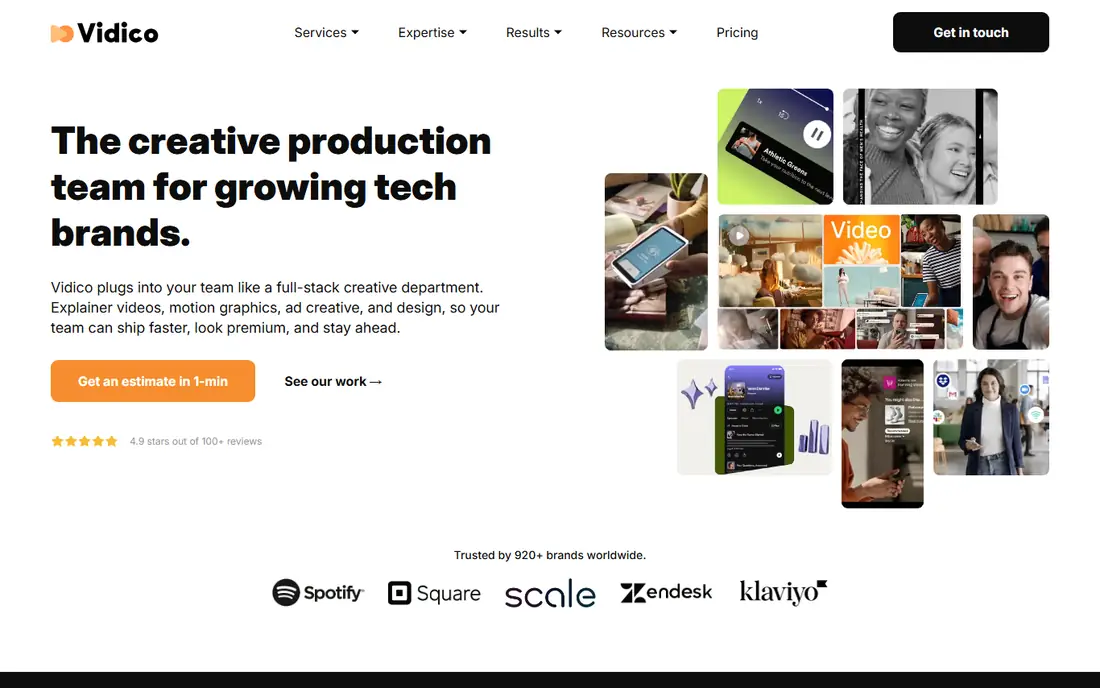
Vidico fits software and business brands that need a steady stream of explainers, product films and ads. Its process is built for repeat work, which helps teams that plan several videos rather than a single launch film. If your product needs clear explanation on a landing page, this is a practical first call.
The trade-off is breadth. A brand film that needs cinema-level direction or a large television shoot may need a different kind of studio. Ask for recent work in your product category and for how the team handles scripts, voiceover and revisions, since those steps decide the final quality.
- SaaS and B2B focus
- Repeatable production process
- Broad video formats
- Quote-based pricing
- Less suited to broadcast television work
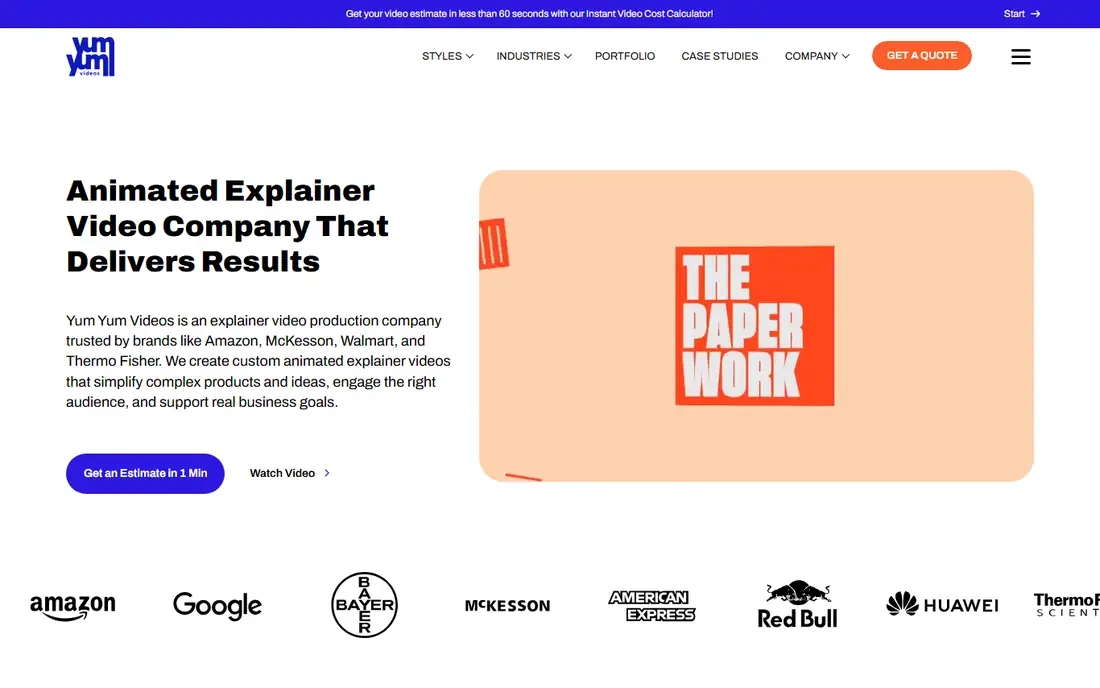
Yum Yum Videos is an animation studio, and that narrow focus is its strength. It produces animated explainers, motion graphics and training videos with a clear process and published estimate ranges, which is rare in this market. Enterprise buyers who need polished animation without filming logistics will find the model easy to plan.
The limit is format. If your video needs real people, real locations or product footage, this studio is the wrong fit. Ask for the style range in recent work, because animation styles vary widely, and confirm the timeline for your length and complexity before you approve a script.
- Animation-only depth
- Published price ranges
- Strong enterprise portfolio
- No live-action shooting
- Project minimums suit funded brands
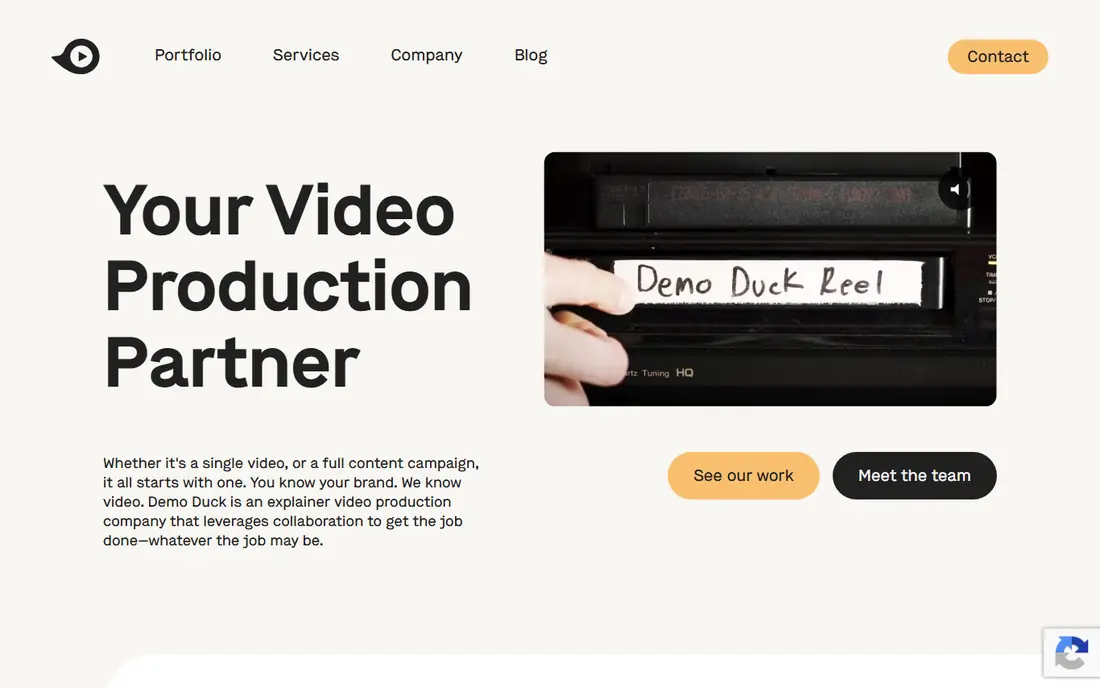
DemoDuck suits brands that want an explainer built around a story, not a list of features. Its work often helps new users understand a product in the first minute, which makes it a good fit for onboarding and homepage video. Companies with a complex product and a patient timeline tend to get the best result here.
The cost is time as well as money. Boutique production with fixed revision rounds needs clear feedback and a single decision maker. Ask how many revision rounds are included, who approves each stage, and what happens if the script changes late, because late changes are where explainer budgets grow.
- Story-led explainers
- Strong SaaS portfolio
- Careful script process
- Longer timelines
- Quote-based pricing at the higher end
Wyzowl is a useful pick for companies that need animated explainers regularly and want predictable monthly output. Its package model suits marketing teams with a content calendar, rather than a single urgent film. The studio has a long record in short animated video, which helps buyers judge style quickly.
A subscription only pays off when you use the volume. A one-off buyer may find a single project quote simpler and cheaper. Ask what counts toward the monthly allowance, how unused work is handled, and whether you keep full rights to every video produced under the plan.
- Explainer specialization
- Monthly production option
- Clear packages
- Animation only
- Subscription suits ongoing volume, not one-offs
Lemonlight fits brands that need real people on camera, from customer testimonials to culture films and product demos. Its network model allows shoots in many cities without flying one crew everywhere, which helps multi-location companies. If authenticity matters more than animation, start here.
The network model needs careful management, because local crews differ in style and experience. Ask who directs the shoot, how footage is reviewed, and what is included in editing, licensing and final delivery. A testimonial that looks different from your brand film will cost more to fix than to plan well.
- Nationwide filmmaker network
- Testimonial and culture video strength
- Multi-location shoots
- Quality can vary by local crew
- Pricing depends on shoot scope
Sandwich is the studio many tech founders name when they want a launch film that people remember. Its deadpan, product-led style helped define how software launches look on video, and its client list includes major consumer tech brands. A funded launch with a clear product story is the right brief.
This is a premium, selective studio, not a volume vendor. Smaller budgets and tight timelines will not fit, and the studio may decline work that does not suit its style. Ask early about availability, minimum engagement and creative control, so a long wait does not collide with a launch date.
- Distinctive launch film style
- Famous tech launches
- Strong direction
- Premium pricing
- Selective about projects
- Long lead times
Sparkhouse suits brands that want a polished product or testimonial video with a clear story arc. Its work covers commercials, product films and customer stories, which makes it a good fit for companies with a product to show and customers willing to speak on camera. Mid-size and larger brands tend to be the best match.
The minimum project size rules out small one-off shoots, and travel may add cost outside its home region. Ask for a full budget breakdown covering crew, locations, licensing and editing, and confirm how many shoot days the story actually needs. A tight brief keeps the shoot efficient.
- Product storytelling
- Testimonial strength
- Established studio process
- Project minimum around five figures
- Regional studio base
Thinkmojo fits enterprise software brands that need a film showing both people and product interface in one piece. Mixing filmed footage with motion graphics is hard to do well, and this studio treats it as standard practice. Launch and product marketing teams at larger software firms are the natural audience.
The software focus is also a limit. A physical product, a service business or a consumer brand will find fewer relevant references. Ask for films that match your product type, and for how interface footage is captured and cleared. Those details decide whether the final film looks like your product or a generic demo.
- Blends live-action with animation
- Deep enterprise SaaS portfolio
- Product demo skill
- Quote-only pricing
- Software focus limits other sectors
How we picked these
We compared official service pages, published pricing notes, client work samples and public review profiles for each company. We kept only companies that are active in October 2026 and that clearly describe the service in the list. We weighed fit for a stated need, depth of the service, transparency about fees and contract terms, and honest limits. We did not claim hands-on testing, and we did not invent prices, awards or client counts. Where a company prices by quote, we say so plainly, because that is the fact a buyer will meet in the first sales call.
How to brief a production company well
Start with format, length and use. A 60-second homepage explainer, a testimonial for sales calls and a launch film for social channels are different jobs, even when the budget looks similar. Tell each studio where the video will play, who will watch it and what action should follow. That brief lets studios quote the same job, which makes comparison fair.
Ask for a full scope in writing before you approve a script. The scope should name scriptwriting, voiceover, music licensing, shoot days or animation minutes, revision rounds and final file formats. It should also state who owns the finished video and the raw files. Surprises in production usually come from items that were never listed.
Check the team and the timeline, not only the showreel. Ask who directs, who edits, how feedback rounds work and what happens when a deadline slips. For live-action work, confirm location, casting and weather contingency plans. For animation, confirm style frames early, because a style change late in production is costly.
Plan distribution before the final cut. A video made for a website may need shorter cuts for social channels, captions for silent viewing and a thumbnail that works at small size. Ask whether those versions are included or billed separately. A studio that plans versions early will deliver more value from the same shoot or animation.
FAQ
What is the best production company for a small business?
It depends on format and budget, but small businesses often do best with a studio that publishes ranges or packages and shows recent work at a similar scale. Ask for a fixed quote for one video before committing to a series. A single well-made testimonial often beats three rushed films.
How much does a professional video cost?
Costs vary widely by format, length, crew and animation complexity. Short animated explainers often start in the low five figures, while live-action shoots add crew, location and licensing costs. Always ask for a written breakdown, because a low headline price may exclude voiceover or music rights.
Should I choose animation or live-action?
Choose animation when you need to explain software, a process or an idea with no footage to film. Choose live-action when trust, people and real places carry the message, as in testimonials and brand films. Some projects blend both, but the lead format should match the core message.
How long does video production take?
Short animated videos often take four to eight weeks, while live-action projects depend on casting, locations and shoot days. Add time for script approval and revisions, since client feedback is usually the slowest stage. Ask for a dated schedule with approval points.
Who owns the finished video?
Ownership should be stated in the contract, covering the final video, raw footage and project files. Most studios transfer rights to the finished video on full payment, while raw files may cost extra. Confirm this before production starts, not after delivery.