Best Period App for Teens in 2026: 8 Apps Compared
We compared the best period app for teens for simple tracking, clear education, and strong privacy, so tweens and teens can learn with confidence in 2026.

- Editor's choice
 Clue
Science-based tracking
Starts atFreeVisit helloclue.comFull review - Great alternative
 Flo
Education and predictions
Starts atFreeVisit flo.healthFull review - Also consider
 Spot On
Free education-first tracking
Starts atFreeVisit plannedparenthood.orgFull review
TL;DR:
- For most teens, Clue and Spot On offer the best balance of simple tracking, clear education, and privacy controls.
- MagicGirl is designed for tweens and younger teens, with videos and guides written for first periods.
- Euki and Drip keep data on the device and require no account, which is the strongest privacy model for health data.
- Flo offers the most education and community content, but its larger data collection means privacy settings deserve a close read.
- Parents and teens should review privacy settings together, use a passcode where offered, and talk with a clinician about irregular or painful periods.
Quick comparison
| Tool | Best for | Starts at | Free plan? | |
|---|---|---|---|---|
| Clue | Science-based tracking | Free | Yes | Visit |
| Flo | Education and predictions | Free | Yes | Visit |
| Spot On | Free education-first tracking | Free | Yes | Visit |
 MagicGirl | Tweens and first periods | Free | Yes | Visit |
 Euki | On-device privacy | Free | Yes | Visit |
 Stardust | Encrypted tracking | Free | Yes | Visit |
 Drip | Open-source tracking | Free | Yes | Visit |
 Ovia | Older teens and health tracking | Free | Yes | Visit |
The best period app for teens
We compared privacy policies, account requirements, education content, and tracking features for the best period apps for teens and the best period tracker app for tweens. All picks below are age-appropriate period trackers only, with no dating features, and privacy notes are included for each app.

Clue is our pick for older teens who want clear, science-based tracking without a cluttered design. The app tracks periods, symptoms, mood, sleep, and pain, then shows patterns over time without forcing predictions on irregular cycles. Education articles explain cycle biology in plain language, and the interface uses gender-neutral language that many teens prefer.
Privacy is generally strong: Clue states it does not sell personal data, and it is based in Europe, which adds legal protections for health data. The catch is structure: Clue requires an account with an email address, so identity and cycle data sit on company servers rather than only on the phone. Teens should use a private email, review sharing settings, and keep predictions as estimates, not medical advice.
- Science-based cycle education
- Gender-neutral language
- Strong privacy statements under European law
- Account with email required
- Some features sit behind a paid plan

Flo offers the largest education library on this list, with articles and videos on periods, symptoms, sleep, and general health for teens and adults. Tracking covers periods, symptoms, mood, and lifestyle factors, and predictions improve as more cycles are logged. A teen mode and age-appropriate content help younger users find relevant material without adult-focused sections dominating the feed.
Privacy needs attention. Flo has faced past scrutiny over data sharing, and later introduced Anonymous Mode, which aims to separate identity from health data. Even with that mode, Flo collects a broad set of health details on its servers, so teens and parents should read current privacy settings together, turn off optional sharing, and use Anonymous Mode if available. For education depth, Flo is excellent; for minimal data collection, Euki or Drip are stronger.
- Large education library
- Symptom and mood tracking
- Anonymous Mode for extra privacy
- Free tier includes ads
- Collects more health data than minimal trackers
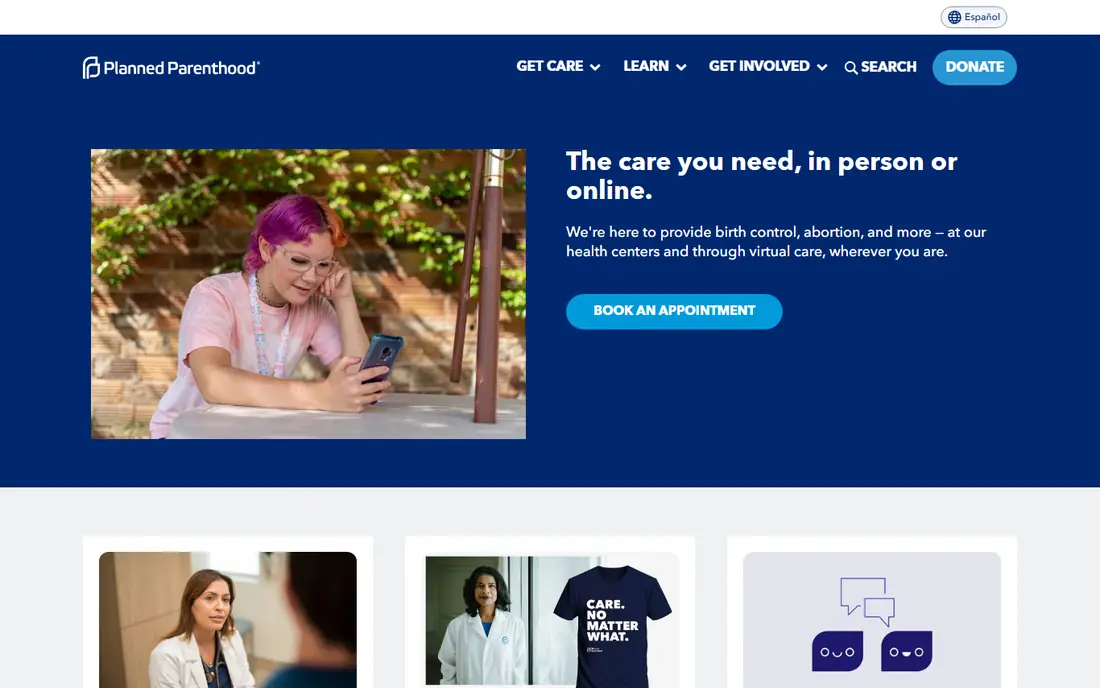
Spot On, from Planned Parenthood, is the best free, education-first tracker for teens. It tracks periods and birth control methods, explains cycle basics in plain language, and works without an account, so data stays local and no ads interrupt use. That combination of free access, no ads, and medically accurate education is rare in this category.
The app is simpler than Clue or Flo, with fewer prediction charts and community features. Some links open Planned Parenthood web pages in a browser, where separate web privacy rules apply, so stay inside the app for tracking when possible. For a teen who wants a trustworthy, no-cost tracker with clear education, Spot On is an excellent starting point, and parents can review its education pages together with their teen.
- Free with no ads
- Anonymous use with no account
- Medically accurate education
- Fewer advanced prediction features
- Some in-app links open a web browser
MagicGirl, also called Teen Period Tracker, is designed specifically for tweens and younger teens. It offers period predictions, a diary, symptom tracking, and videos that explain what a period is, how to use pads and other products, and what to expect in early cycles. The tone is friendly and reassuring, which helps a first-time user feel less anxious about a new experience.
Privacy is a plus: MagicGirl states no data sharing with third parties in its store listing, data is encrypted in transit, and a passcode can protect the app. Community chat features exist, so parents should discuss online interaction rules and check chat settings with younger users. Older teens may outgrow the design, but for tweens starting out, MagicGirl is the most age-matched pick on this list.
- Designed for tweens and teens
- First-period videos and guides
- Passcode protection
- Community chat features need supervision
- Design feels young for older teens
Euki offers the strongest privacy model for teens. It requires no account, keeps health information on the device rather than sending it to a server, and includes a decoy feature that shows harmless fake data if someone else opens the app. That design means there is no cloud account tying identity to cycle data, which matters for sensitive health information.
The trade-off is scope. Euki tracks periods and related health information with clear, medically accurate content, but it lacks the large prediction charts and community features of bigger apps. For a teen or parent whose first priority is privacy, that trade is worth it. Use Euki when you want tracking that stays private by design, and pair it with a clinician or trusted health source for questions beyond the app.
- No account required
- Health data stays on the device
- Decoy screen for extra privacy
- Smaller feature set than Clue or Flo
- Education focus is narrower
Stardust is popular for its friendly design and encrypted tracking claims. It tracks periods, symptoms, and moods, offers cycle insights, and presents data in a visually appealing calendar. Many teens like its tone and its focus on community and astrology-style extras, though those extras are optional and not needed for basic tracking.
Privacy deserves a careful read. Recent reports noted that Stardust shared detailed health information with an analytics company not named in its privacy policy at the time, while Stardust said the company acted only as a technical pipeline and could not sell data. That history means teens and parents should read the current privacy policy, limit optional data sharing, and consider Euki, Drip, or Spot On if on-device privacy is the top priority.
- End-to-end encryption claims
- Cycle and symptom tracking
- Friendly design
- Past reports raised questions about analytics sharing
- Read current privacy policy closely
Drip is an open-source period tracker built for transparency. Because its code can be inspected, users and privacy researchers can verify how it handles data, and the app stores information on the device without requiring an account. There are no ads, no subscriptions for core tracking, and no cloud profile tying a teen identity to cycle data.
The design is simpler than commercial rivals, with basic predictions and fewer education articles. That simplicity is the point for privacy-focused users: Drip does one job well and collects as little as possible. For a teen comfortable with a minimal calendar and symptom log, Drip is a strong, trustworthy choice, especially when paired with a health site or clinician for education questions.
- Open-source code anyone can inspect
- Data stays on the device
- No ads or accounts
- Simpler design
- Predictions are basic compared with larger apps
Ovia suits older teens who want health tracking beyond periods, including symptoms, mood, sleep, and general wellness logs. The app offers health articles and cycle insights, and its tracking tools are more detailed than minimal calendars. For an older teen already tracking general health, Ovia can serve as one combined place for period and wellness data.
Younger tweens may find the broader fertility and health focus less age-matched than MagicGirl or Spot On, and full use requires an account, so data sits on company servers. Parents and older teens should review privacy settings together and choose Ovia only if the broader health tracking is actually useful. For most younger teens, Clue, Spot On, or MagicGirl remain better first picks.
- Broad health tracking beyond periods
- Symptom and mood logs
- Health articles
- Broader fertility focus may feel adult for younger teens
- Account required for full use
How we picked these
We compared privacy policies, account requirements, on-device versus cloud storage, education quality, and age fit. We favored apps with no ads for younger users, clear privacy statements, and education written for teens. We left out trackers with social feeds aimed at adults, trackers that require extensive personal details for basic use, and any app with dating features, since this list is for period tracking only.
How to choose a period app for a teen
Start with privacy, then fit, then features. An app that keeps data on the device or allows anonymous use is safer for health data than one that requires an account and stores detailed logs in the cloud. Next, match age: MagicGirl for tweens, Spot On or Clue for most teens, and Euki or Drip for privacy-first users. Features such as predictions and symptom charts matter less than a design a teen will actually use consistently.
Set privacy together
Teens and parents should open privacy settings together on day one. Turn off optional analytics and advertising sharing where offered, use a passcode or phone lock, and avoid using a school email tied to a real full name if the app allows a private email instead. Check whether backups sync to a cloud account, and turn off cloud backup for the app if on-device privacy is the goal. Review settings again after major app updates.
Use predictions wisely and get help when needed
Predictions are estimates based on past cycles, and irregular periods are common in the first years after periods start. A late or missed prediction does not by itself mean something is wrong, but very painful periods, very heavy bleeding, periods that stop for months, or other worrying symptoms deserve a conversation with a parent, school nurse, or clinician. Bring the app log to that visit, since a few months of tracked dates and symptoms help a clinician give better advice. This article is general education only and is not medical advice.
FAQ
What are the best period apps for teens?
Clue and Spot On are the best overall picks for most teens, combining simple tracking with clear education. MagicGirl is best for tweens and first periods, while Euki and Drip are best for on-device privacy. Flo offers the most education content, but privacy settings need a closer read. Try one free app for a month before switching.
What is the best period tracker app for tweens?
MagicGirl is the best tracker app for tweens, with first-period videos, simple predictions, and guides written for younger users. Spot On is also a good choice, with free, ad-free tracking and plain-language education. Parents should review chat and sharing settings with tweens and keep the app passcode-protected where offered.
Are period apps private for teens?
It depends on the app. Euki and Drip keep data on the device with no account, which is the strongest privacy model. Spot On allows anonymous use with no account. Clue and Flo store data on company servers, though both state they do not sell personal data, and Flo offers Anonymous Mode. Read the current privacy policy and turn off optional sharing before logging health data.
Do period apps work for irregular periods?
Yes, with limits. Most trackers learn patterns over time, but predictions are less accurate for irregular cycles, especially in the first years after periods start. Log dates and symptoms consistently for several months, treat predictions as estimates, and share the log with a clinician if cycles remain very irregular, painful, or heavy.
Should parents monitor a teen period app?
Parents and teens should set up privacy and safety settings together, then respect the teen need for health privacy as they grow. A good approach is to agree on the app, review sharing settings, and keep communication open about questions or worrying symptoms. Avoid reading a teen diary without agreement, since trust helps teens ask for help when they need it.
Are period apps free for teens?
Yes, all apps on this list offer free core tracking. Clue, Flo, Stardust, and Ovia offer paid upgrades for extra features, while Spot On, MagicGirl, Euki, and Drip offer free core use with no required subscription. Start free, and pay only if a premium feature, such as advanced insights, is clearly worth it for your teen.