8 Best Payment Gateway Software in 2026
We compare the best payment gateway software for online stores, covering fees, checkout options, global payments, and fraud tools for small and large sellers.

- Editor's choice
 Stripe
Developer-led checkouts and subscriptions
Starts at2.9% plus 30 cents per online card paymentVisit stripe.comFull review - Great alternative
 PayPal
Trusted wallet checkout for broad audiences
Starts at3.49% plus 49 cents for PayPal CheckoutVisit paypal.comFull review - Also consider
 Square
Sellers who sell in store and online
Starts at2.9% plus 30 cents for online paymentsVisit squareup.comFull review
TL;DR:
- Flat-rate pricing is simple, but high-volume sellers may save with interchange-plus pricing.
- Wallet and local payment options can lift conversion, especially on mobile checkouts.
- International cards, currency conversion, and disputes add costs beyond the headline rate.
- Developer tools matter when a store needs subscriptions, marketplaces, or custom checkout flows.
Quick comparison
| Tool | Best for | Starts at | Free plan? | |
|---|---|---|---|---|
| Stripe | Developer-led checkouts and subscriptions | 2.9% plus 30 cents per online card payment | No monthly fee for standard processing | Visit |
| PayPal | Trusted wallet checkout for broad audiences | 3.49% plus 49 cents for PayPal Checkout | No monthly fee for standard rates | Visit |
| Square | Sellers who sell in store and online | 2.9% plus 30 cents for online payments | No monthly fee for standard processing | Visit |
 Adyen | High-volume and global merchants | Interchange plus about 0.60% plus about 13 cents | Custom pricing, minimum invoice may apply | Visit |
 Authorize.net | Merchants with an existing merchant account | 2.9% plus 30 cents, plus $25 per month | No free plan | Visit |
 Braintree | Mobile apps, subscriptions, and marketplaces | 2.59% plus 49 cents | No monthly fee for standard processing | Visit |
 Checkout.com | Global online sellers that need flexible routing | See website | Custom pricing | Visit |
 Helcim | Cost-conscious sellers that want transparent pricing | Interchange plus 0.50% plus 25 cents | No monthly fee | Visit |
The best payment gateway software
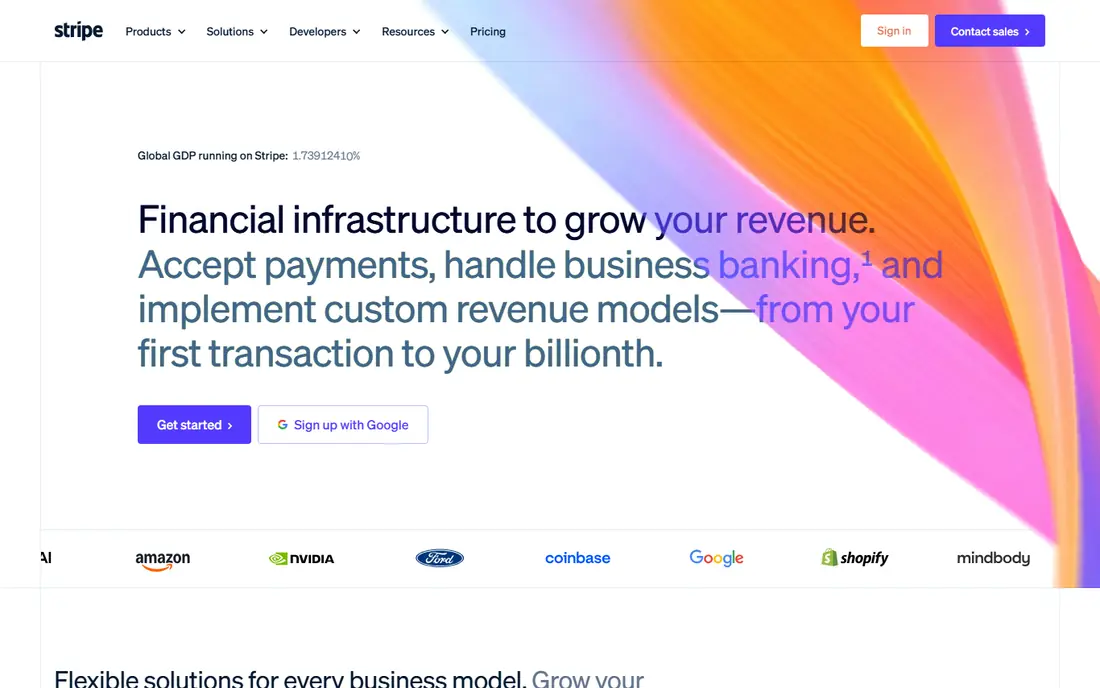
For buyers who want developer tools and subscription billing, this is a strong place to start. Stripe is built for teams that want to shape checkout, billing, and subscriptions through APIs and hosted pages. It supports cards, wallets, bank payments, and many local methods, and its dashboard and reporting help finance teams reconcile payouts. For software and subscription sellers, its billing tools for trials, upgrades, and failed payment recovery are a major reason to choose it.
The base rate is not the whole cost. International cards, currency conversion, and disputes carry extra fees, and some advanced fraud and revenue tools are paid add-ons. Teams without developers can still use Stripe, but they will get the most from it when someone can maintain the integration.
- Strong APIs, subscriptions, and global payment methods
- International and dispute fees add to the base rate
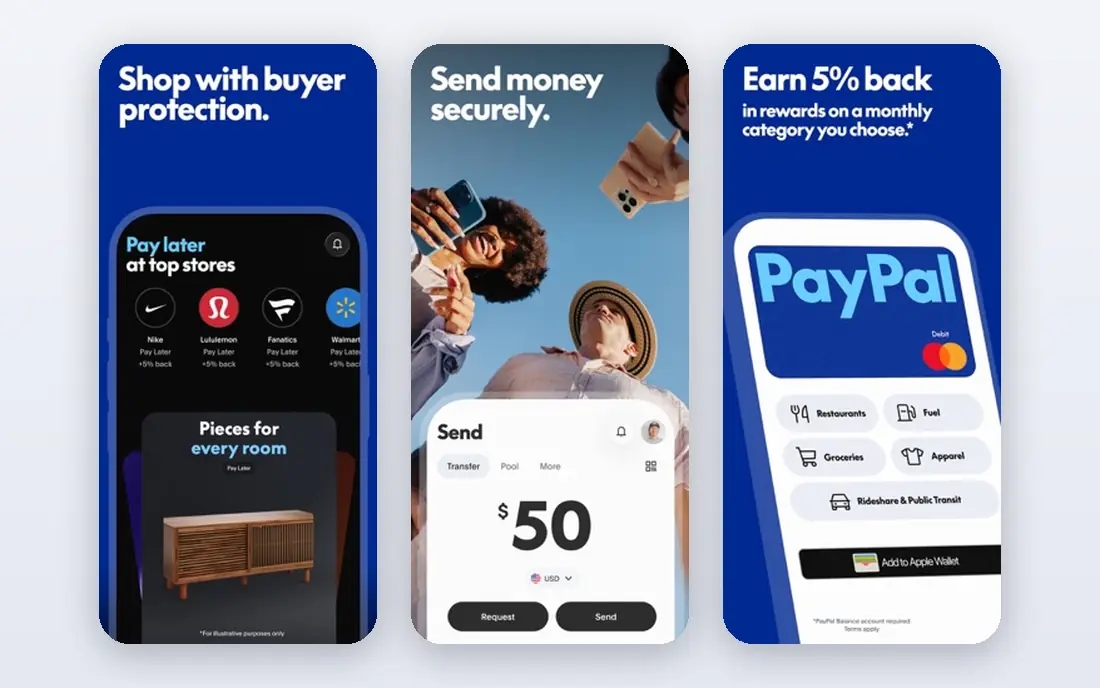
If buyer trust and wallet checkout matters most to your team, this option deserves a close look. PayPal helps when shoppers already have an account and want to check out without typing card details. That familiarity can help conversion, especially for first-time buyers, and sellers also get card payments, Pay Later, and Venmo in the United States. Its seller protection and dispute tools are familiar to many small businesses.
The wallet checkout rate is higher than a card-only rate, and account holds can affect cash flow for some sellers. Read the dispute and hold policies before relying on PayPal alone, and consider offering it alongside a card gateway so buyers can choose the method they trust.
- Wide buyer recognition and wallet, card, and Pay Later options
- Wallet checkout rate is higher than many card-only rates

This option stands out when online plus in-person selling is the main deciding factor. Square suits a seller with a shop, a market stall, or a service business that also sells online. Orders, inventory, and in-person sales can live in one system, which simplifies reconciliation for a small team. Its online checkout, invoices, and payment links cover many sellers without a custom build.
Square is less flexible than a developer-first gateway for complex marketplace or subscription logic, and some online plan rates are higher than the base card rate. For a straightforward store with a physical presence, that simplicity is worth more than deep API control.
- Unified online and in-person sales with point-of-sale tools
- Online rates vary by plan and some features need paid tiers
Teams that put global scale and interchange-plus pricing first will find a lot to like here. Adyen is built for larger merchants selling across countries, with acquiring in many markets, local payment methods, and one platform for online and in-person payments. Its interchange-plus model can lower the effective rate for high-volume sellers, and its risk and data tools help larger teams manage fraud across regions.
Adyen is not a low-effort choice for a small store. Pricing is custom, minimum invoices may apply, and the integration rewards a team that can manage payment routing and reporting. Smaller sellers should compare its total cost carefully against a flat-rate gateway before signing.
- Global acquiring, many local methods, and unified reporting
- Needs volume and engineering time to get full value
When a classic gateway for existing accounts drives the decision, this service makes a clear case for itself. Authorize.net has served online sellers for many years as a gateway that connects a website to a merchant account. It offers hosted checkout, recurring billing, fraud detection filters, and customer profiles for repeat payments. Businesses that already have a merchant account and want to keep that relationship often find it a straightforward fit.
The monthly fee and the separate processor relationship make the setup more involved than an all-in-one processor. Sellers starting from scratch may prefer a provider that bundles gateway and processing. For established accounts, the stability and familiar toolset remain the appeal.
- Long-running gateway with fraud filters and recurring billing
- Monthly fee and separate processor relationship add complexity
Buyers focused on marketplaces and mobile payments should put this one near the top of the shortlist. Braintree, owned by PayPal, gives apps and marketplaces card, PayPal, Venmo, and wallet payments through one integration. Its vault stores payment methods for repeat purchases, and its marketplace tools help split payments where that model applies. That combination suits subscription apps and platforms that need more than a simple checkout button.
Braintree assumes a development team, so non-technical sellers may find setup slower than with a hosted checkout provider. Pricing also varies by payment method and region, so confirm the full rate card. For product teams building an app or a platform, the control is the point.
- PayPal and Venmo support plus vault and marketplace tools
- Documentation and support can feel geared to developers
This pick earns its place through global payment optimization, rather than through size alone. Checkout.com focuses on online payments for global merchants, with acquiring, local methods, fraud screening, and tools to improve authorization rates. Its dashboard and API give larger teams control over routing and reporting across markets, which matters when a store sells into regions with different card and wallet habits.
Pricing is custom, so small sellers cannot easily compare it to a flat-rate gateway without a sales conversation. It also rewards a team that can use its data tools. For a growing global store, that depth can pay off in higher approval rates and clearer reporting.
- Global acquiring and granular payment optimization tools
- Pricing is custom and support is enterprise focused
For a practical choice built around transparent interchange-plus pricing, this is hard to ignore. Helcim publishes an interchange-plus model with no monthly fee on its standard plans, which helps sellers see the card network cost separate from the provider markup. It covers online checkout, invoices, and in-person payments, and its volume discounts apply automatically in some plans. That transparency appeals to sellers tired of opaque tiered pricing.
Helcim covers fewer countries and platform use cases than the largest global providers, and some advanced features are limited. For a United States or Canadian seller focused on clear costs and straightforward selling, it is a practical alternative to flat-rate gateways.
- Interchange-plus pricing with no monthly fee on standard plans
- Fewer marketplace and platform features than larger rivals
How we picked these
We compared official pricing pages, feature pages, and public reviews, and we gave extra weight to published rates, supported payment methods, and fraud and payout tools. We favored providers with clear documentation and a track record of processing live transactions at scale. Prices shown are standard United States online rates from October 2026 sources, and custom or negotiated rates will differ.
How to choose a payment gateway platform
Start with your card mix. Pull last month of orders and note how many were domestic cards, international cards, wallets, and subscriptions. A flat rate is easy to compare, but interchange-plus can win when debit and domestic cards dominate. Check the full fee list. Ask about international fees, currency conversion, dispute fees, payout timing, and any monthly or gateway fee. Those items decide the real cost per order. Test checkout on mobile. A slow or confusing checkout loses sales that no rate saving can recover. Plan for growth. If you expect subscriptions, marketplaces, or new countries, choose a provider whose API and local methods already cover that next step.
FAQ
What is the best payment gateway platform for a small store?
A flat-rate provider such as Stripe, Square, or PayPal is often easiest for a small store, since there is no monthly fee and setup is quick. Compare the wallet checkout rate against the card rate, and test which checkout your buyers complete most often before settling on one provider.
Is Stripe or PayPal cheaper?
For a standard United States online card order, Stripe lists 2.9% plus 30 cents, while PayPal Checkout lists 3.49% plus 49 cents. PayPal card rates can be lower than its wallet rate, and international fees differ, so run your own order mix through both rate cards before choosing.
What does interchange-plus pricing mean?
Interchange-plus passes the card network interchange fee through at cost, then adds a fixed markup, such as a percentage plus a per-transaction fee. It is more transparent than flat pricing and can be cheaper at volume, but the total varies by card type, so compare it using your actual card mix.
Do I need a separate merchant account?
Not with all-in-one processors such as Stripe, Square, or PayPal, which bundle gateway and processing. A classic gateway such as Authorize.net works with a separate merchant account, which suits businesses that already have that relationship and want to keep it.
How do disputes and holds affect cash flow?
Disputes can carry fees and tie up funds while a claim is reviewed, and some providers hold funds for new or higher-risk sellers. Keep clear refund policies, respond to disputes promptly, and hold a cash buffer so a dispute spike does not disrupt payouts.
Sources
https://stripe.com https://www.paypal.com https://squareup.com https://www.adyen.com https://www.authorize.net https://www.braintreepayments.com https://www.checkout.com https://www.helcim.com