Best Online Therapy Services in 2026: 8 Services Compared
Compare the best online therapy services on price, insurance, session types, and therapist matching, with clear notes on privacy, safety, and fit in 2026.
- Editor's choice
 BetterHelp
Large therapist network
Starts atSee websiteVisit betterhelp.comFull review - Great alternative
 Talkspace
Insurance and messaging
Starts atSee websiteVisit talkspace.comFull review - Also consider
 Brightside Health
Therapy plus psychiatry
Starts atSee websiteVisit brightside.comFull review
TL;DR:
- Talkspace and Brightside Health accept many insurance plans, while BetterHelp and Online-Therapy.com are mainly self pay options.
- Most services let you switch therapists if the first match does not fit, which matters more than any single feature list.
- Messaging plus video suits busy schedules, while scheduled video only suits people who prefer a regular appointment time.
- Prices vary by plan, state, and insurance, so confirm your exact cost and cancellation terms before you start.
- Online therapy is not a substitute for emergency care. If you are in crisis, contact local emergency services or a crisis line in your country.
Quick comparison
| Tool | Best for | Starts at | Free plan? | |
|---|---|---|---|---|
| BetterHelp | Large therapist network | See website | No | Visit |
| Talkspace | Insurance and messaging | See website | No | Visit |
| Brightside Health | Therapy plus psychiatry | See website | No | Visit |
 Cerebral | Therapy plus medication care | See website | No | Visit |
 Amwell | Pay per visit therapy | See website | No | Visit |
 MDLIVE | Insurance based telehealth | See website | No | Visit |
 Online-Therapy.com | Structured CBT programs | See website | No | Visit |
 Calmerry | Messaging focused therapy | See website | No | Visit |
The best online therapy services
These eight services cover self pay subscriptions, insurance based care, and structured programs. We compared official feature pages, pricing pages, app store listings, privacy policies, and public reviews, and we favored services with licensed therapists and clear privacy practices.
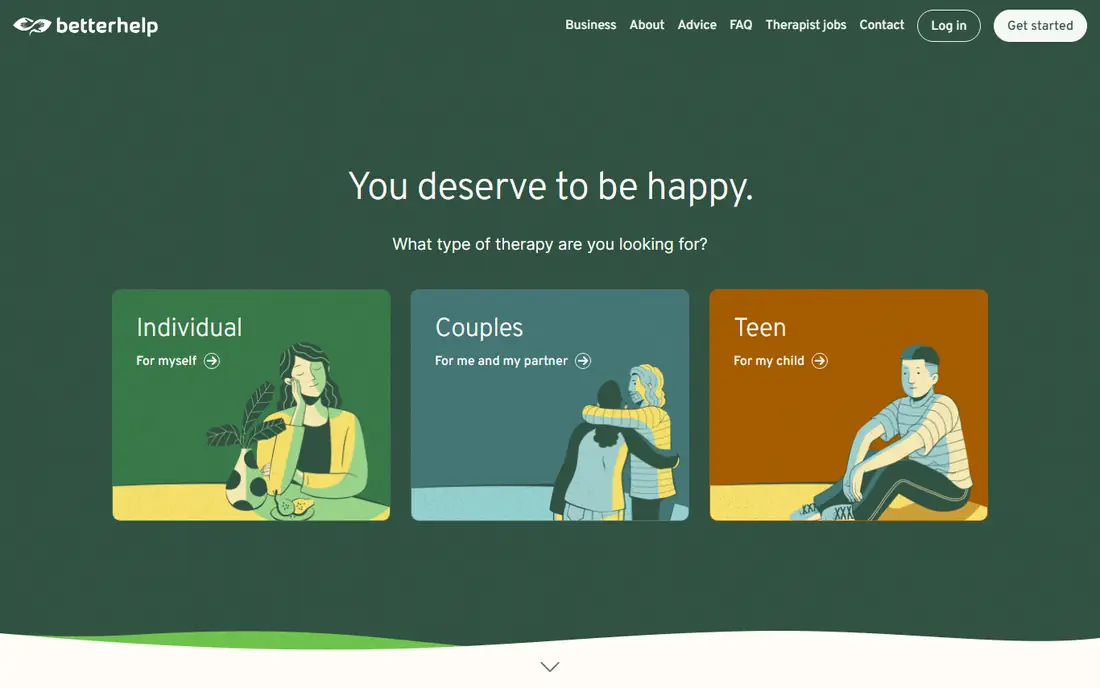
BetterHelp is the largest name in this list, and its size is a practical advantage when matching matters. After a short questionnaire, users are matched with a licensed therapist and can message, chat live, talk by phone, or meet by video. If the match feels wrong, switching to another therapist is straightforward, which removes a common barrier to staying with therapy. The main limits are cost and insurance. BetterHelp is mainly self pay, billed weekly, so a few months of sessions is a real budget item. Some users also prefer a single fixed appointment time, while BetterHelp leans on flexible messaging plus scheduled sessions. For people who want choice, flexible formats, and fast matching without an insurance check first, BetterHelp is a strong starting point.
- Large network of licensed therapists
- Video, phone, chat, and messaging options
- Easy therapist switching
- Does not accept insurance directly
- Weekly subscription cost adds up over time
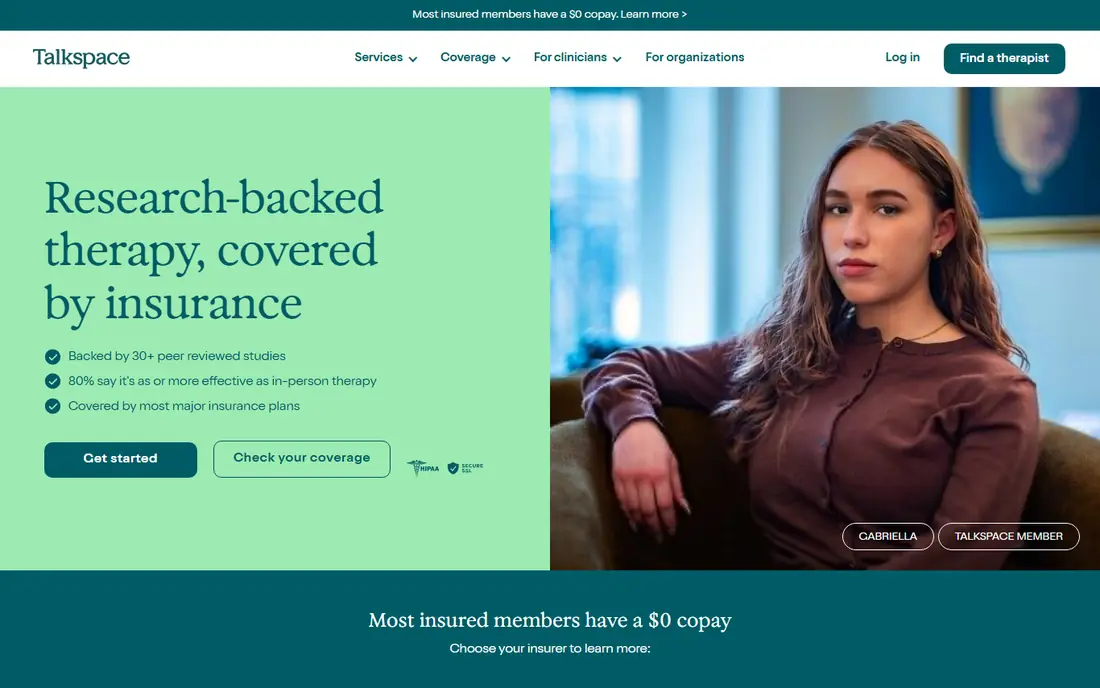
Talkspace suits people who want to use insurance or who prefer writing between sessions. Many plans include unlimited text, audio, and video messaging with a therapist, plus live video sessions on higher tiers. That mix helps when schedules shift, since a user can send a message during the week rather than waiting for the next appointment. Insurance acceptance is the key reason to check Talkspace first if you have coverage. Plans and copays vary by insurer and state, so the price on the marketing page is not a promise for your plan. Users should also confirm how many live sessions their tier includes, since messaging heavy plans differ from session heavy plans. For insured users and for people who write more easily than they talk, Talkspace is a solid fit.
- Accepts many insurance plans
- Unlimited messaging on some plans
- Psychiatry options available
- Plan structure can be confusing
- Live session counts vary by plan

Brightside Health takes a structured approach to anxiety, depression, and related conditions. Therapy plans use scheduled video sessions with messaging between visits, and psychiatry plans add medication management with licensed prescribers. Progress tracking helps both client and clinician see whether symptoms are moving in the right direction over time. That focus is also a limit. People seeking care mainly for other conditions should check whether Brightside covers their needs in their state before signing up. Pricing also varies by plan level, from therapy only to combined therapy and psychiatry. For users who want coordinated talk therapy and medication care, with insurance as an option, Brightside is one of the clearest choices on this list.
- Therapy and psychiatry in one place
- Measurement based progress tracking
- Many insurance plans accepted
- Focus is mainly anxiety and depression care
- Availability varies by state
Cerebral combines therapy with psychiatry services for anxiety, depression, and related concerns, including ADHD care with non controlled medications in some plans. The subscription model bundles sessions and prescriber access, which can simplify billing for people who need both kinds of care on an ongoing basis. Buyers should read current plan terms carefully, since Cerebral has faced regulatory scrutiny in the past and its plans and state coverage have changed over time. Confirm prescriber availability in your state, what medications are and are not offered, and how cancellation works. For people who want one service for therapy and medication management, Cerebral remains a relevant option, provided those checks come back clean for your location and needs.
- Combined therapy and psychiatry plans
- Subscription plans for ongoing care
- Video sessions
- Past regulatory scrutiny means users should check current terms
- State availability varies
Amwell works differently from subscription services, because users generally pay per visit. That model suits people who want occasional therapy, who want to try a single session before committing, or who already use Amwell for other telehealth care. Insurance often applies, which can bring the per visit cost down sharply for covered users. The trade off is continuity and messaging. Amwell is less built around unlimited messaging between sessions than Talkspace or BetterHelp, so users who want daily contact with a therapist may prefer a subscription service. For people who want a straightforward video visit, a clear per visit price, and the option to use insurance, Amwell is a practical choice.
- Pay per visit rather than subscription
- Accepts many insurance plans
- Broad telehealth services
- Therapy visit prices vary
- Fewer messaging options than subscription rivals
MDLIVE is a broad telehealth service that includes therapy and psychiatry beside urgent care and other medical visits. That breadth helps households that want one account for several kinds of care, and insurance acceptance can keep therapy visits affordable for covered members. Sessions are held by video with licensed providers. Specialist therapy platforms offer deeper messaging tools, structured programs, and therapy specific matching questionnaires than MDLIVE. Users who want therapy as their main service, with worksheets or daily messaging, may find a specialist a better fit. For insured users who value convenience and a single telehealth account, MDLIVE is worth checking for provider availability in their state.
- Accepts many insurance plans
- Therapy plus broader medical care
- Video visits
- Less therapy specific depth than specialist platforms
- Session availability varies
Online-Therapy.com is built around cognitive behavioral therapy, with worksheets, journaling, activity plans, and a weekly live session with a therapist. That structure suits people who like homework between sessions and who want a clear path through common concerns such as low mood and worry. The program format also helps users track what they practiced, not just what they discussed. The limits are insurance and flexibility. This is mainly a self pay service, and the program path may feel too structured for people who want open ended talk therapy or unlimited messaging. For users who respond well to guided exercises and who want therapy plus practical tools in one place, Online-Therapy.com offers a distinct option that the general subscription services do not match as closely.
- Structured CBT worksheets and journaling
- Weekly therapist sessions
- Clear program path
- Does not accept insurance directly
- Less suited to people who want messaging only care
Calmerry offers online therapy with licensed therapists through video sessions, live chat, and messaging, on a subscription basis. The appeal is straightforward: a clear plan, a matched therapist, and several ways to stay in touch between sessions. That mix suits people who want regular contact without the complexity of a large platform with many add-on services. The network is smaller than BetterHelp or Talkspace, and Calmerry does not accept insurance directly, so self pay cost is the main route. Users in smaller states should check therapist availability before paying. For people who want a simpler subscription service with messaging and video, and who are comfortable paying out of pocket, Calmerry is a credible option to compare beside the larger names.
- Video, chat, and messaging options
- Licensed therapists
- Straightforward subscription plans
- Does not accept insurance directly
- Smaller network than the largest rivals
How we picked these
We compared official feature pages, pricing pages, app store listings, privacy policies, and public reviews, and we favored services that use licensed therapists, state their privacy practices clearly, and let users switch therapists. We included both insurance based and self pay models, because cost and coverage decide fit as much as session format does. Prices change by plan and state, so we used See website where a single figure would mislead readers.
How to choose the right service
Start with coverage and budget
Check insurance first if you have it, since an in network service can cost far less than a self pay subscription over several months. If you pay out of pocket, compare weekly versus monthly billing, session counts, and cancellation terms. A lower weekly price with fewer live sessions may cost more per session than a higher tier with more included time.
Match format to how you communicate
Messaging suits people who process thoughts in writing or who have unpredictable schedules. Scheduled video suits people who want a fixed weekly appointment and a stronger sense of routine. Structured programs suit people who like worksheets and guided exercises. There is no single best format, only the format you will actually use each week.
Test the match early
Use the first sessions to judge fit, not just credentials. A good therapist listens, sets clear goals, and explains the plan for your concerns. If the match feels off, switch early rather than drifting away from therapy. Also read the privacy policy for data sharing, message storage, and how to delete your account, since therapy data deserves extra care.
FAQ
What is the best online therapy service overall?
BetterHelp suits many self pay users because of its large network and flexible formats, while Talkspace suits insured users and people who prefer messaging. Brightside Health suits people who also need psychiatry care. The best service depends on insurance, budget, and whether you want messaging, video only, or a structured program.
Do online therapy services accept insurance?
Some do and some do not. Talkspace, Brightside Health, Amwell, and MDLIVE accept many insurance plans, though coverage varies by plan and state. BetterHelp, Online-Therapy.com, and Calmerry are mainly self pay. Check your plan benefits and ask the service to confirm your copay before your first session.
Are online therapists licensed?
Reputable services state that therapists are licensed in the state where they practice, and users can usually see credentials in the therapist profile. Always check license details, specialties, and state availability yourself before you start, and be cautious of any service that hides provider credentials.
Is online therapy as good as in person therapy?
For many common concerns, research and clinical guidance support video therapy as a useful option, especially when access, schedule, or distance makes in person care hard to reach. Some needs, such as complex assessments or crisis care, still need in person or emergency services. Discuss fit with your provider if you are unsure.
Can I switch therapists on these services?
Yes, most services on this list let you switch therapists, often at no extra charge, if the first match does not fit. Switching is a normal part of finding good care, not a failure. Use early sessions to judge communication style and goals, and switch promptly if the fit is poor.
Is online therapy private?
Services should use encrypted video and messaging and follow health privacy rules, but policies differ on data use, message retention, and third party tools. Read the privacy policy, check message storage terms, and avoid sharing highly sensitive details until you are comfortable with the service terms.