Best Merchant Services Agent Program in 2026: 8 Programs Compared
Compare the best merchant services agent program options for agents and ISOs, with residual splits, bonuses, boarding tools and support compared. today.
- Editor's choice
 Square (via Turnkey)
Agents selling Square POS and payments
Starts atSee websiteVisit squareup.comFull review - Great alternative
 Betterpay
Agents wanting lifetime residuals
Starts atSee websiteVisit btrpay.comFull review - Also consider
 Strictly
Agents wanting fast onboarding and pricing tools
Starts atSee websiteVisit strictlyzero.comFull review
TL;DR:
- Residual splits mean little without a written definition of what is split and when it is paid.
- Boarding speed, support quality and payout transparency matter as much as the headline split.
- Exclusivity, ownership of your book and exit terms should be confirmed before you sign.
- POS portfolios can be more valuable than processing-only books, but they need more support.
Quick comparison
| Tool | Best for | Starts at | Free plan? | |
|---|---|---|---|---|
| Square (via Turnkey) | Agents selling Square POS and payments | See website | No | Visit |
| Betterpay | Agents wanting lifetime residuals | See website | No | Visit |
| Strictly | Agents wanting fast onboarding and pricing tools | See website | No | Visit |
 Kadima Payments | Agents, ISOs and referral partners | See website | No | Visit |
 KwickOS | Agents building POS portfolios | See website | No | Visit |
 ISOhub | ISOs needing residual and CRM tools | See website | No | Visit |
 North American Bancard | Agents wanting a large ISO partner | See website | No | Visit |
 Host Merchant Services | Agents wanting transparent agent terms | See website | No | Visit |
The best merchant services agent programs
We compared merchant services agent programs for independent sales agents and ISOs, looking at residual splits, bonuses, boarding tools, support and book ownership. Many programs do not publish full terms, so we flag where written confirmation is essential.

Square (via Turnkey) is a strong match for agents selling square pos and payments. Its main draw is published agent tiers with revenue share on Square products, which matters when a backup has to work without constant attention. We compared its official feature and pricing pages, and the plan structure is clear about what is included at the entry level and what costs extra. For a small team, that clarity helps when you are budgeting for the year ahead.
The honest catch is in the details. Check storage limits, retention periods and support hours before you commit, because those three items decide how useful a backup is during a real incident. Also test a restore early, while the stakes are low, so you learn the steps before you need them under pressure. A service that restores cleanly in a test is far more valuable than one with a longer feature list.
- Published agent tiers up to 100 percent for sub-ISOs
- Ancillary revenue share
- SaaS fees are excluded from some splits
- Program terms need written confirmation

For teams that need agents wanting lifetime residuals, Betterpay deserves a close look. The standout point is lifetime residual splits with signing bonuses and free terminals, and it pairs with a setup flow that most administrators can complete without a specialist. We checked its public documentation and pricing page to confirm the current offer. The result is a service that suits steady, day-to-day protection rather than a one-off archive.
The trade-off to weigh is fit against cost. A cheaper plan can look attractive until you add the storage, seats or retention you actually need, so price the full setup, not just the headline rate. Also confirm who can access backups and how access is logged. Those controls matter for audits, and they are easy to overlook when you are focused on speed alone.
- Lifetime residual splits up to 70 percent
- Signing bonus per account
- Free terminals
- Bonus terms and eligibility need confirmation
- Portfolio is payments focused
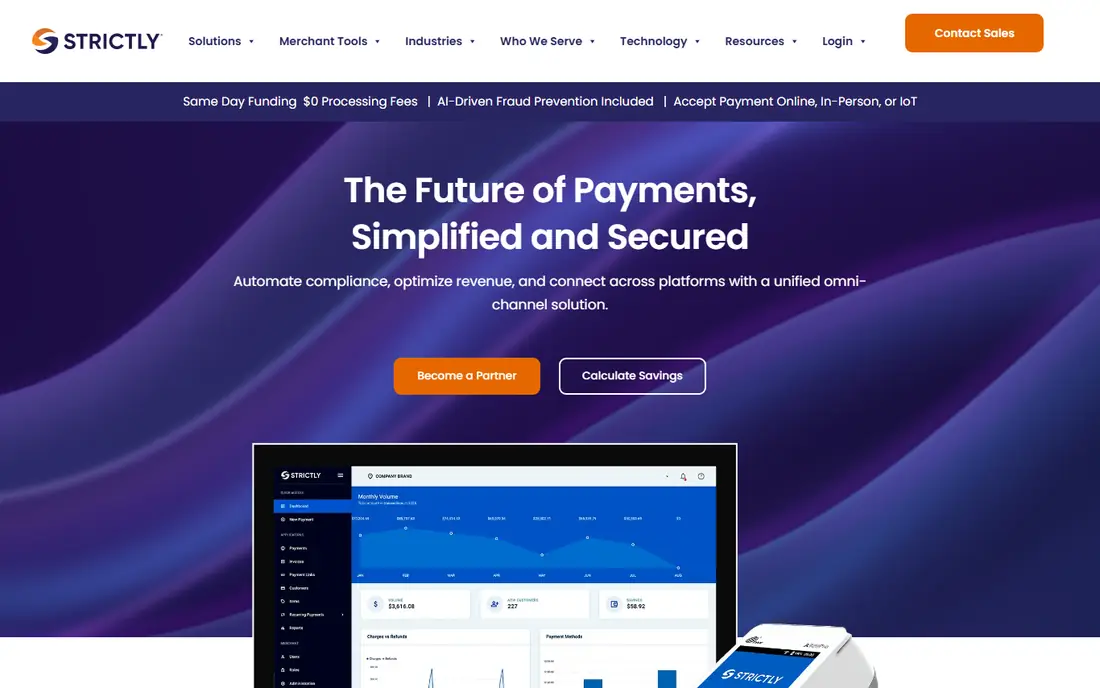
Teams focused on agents wanting fast onboarding and pricing tools will find Strictly practical rather than flashy. The key point is a partner portal with pricing tools and surcharge support, which covers the everyday risks that cause most restore requests. Its documentation explains retention, recovery and account controls in plain terms. That makes it easier to explain the choice to colleagues who do not manage backups every day.
Before you buy, run a small trial on one machine or one data set. Watch how long the first backup takes, how it handles a changed file, and how clear the restore screen is. That short test reveals more than a sales page can. It also shows whether support answers quickly when a question comes up during setup.
- Smart pricing engine
- Partner portal
- Surcharge and dual pricing support
- Terms are sales-led
- Confirm split, payout timing and compliance support in writing
If agents, isos and referral partners is your main need, Kadima Payments is worth shortlisting. It leads with multiple partner paths with fast boarding and co-selling support, and the surrounding features support that core job instead of distracting from it. We reviewed its official pages for current pricing and plan limits. The service feels built for regular use, with controls that a busy administrator can actually keep up with.
The main weakness is usually scope, not quality. No single backup covers every system perfectly, so list your must-protect items first, then match them against the plan. If a key system needs a separate add-on, factor that into the total cost. A clear match on your top three systems beats a broad promise that fits none of them well.
- Referral, agent, ISO and white-label paths
- Fast boarding
- Co-selling support
- Split details are not published
- Confirm terms before you bring a book
KwickOS is a strong match for agents building pos portfolios. Its main draw is POS plus processing bundles with installation and training handled, which matters when a backup has to work without constant attention. We compared its official feature and pricing pages, and the plan structure is clear about what is included at the entry level and what costs extra. For a small team, that clarity helps when you are budgeting for the year ahead.
The honest catch is in the details. Check storage limits, retention periods and support hours before you commit, because those three items decide how useful a backup is during a real incident. Also test a restore early, while the stakes are low, so you learn the steps before you need them under pressure. A service that restores cleanly in a test is far more valuable than one with a longer feature list.
- POS plus processing bundles
- Installation and training handled
- 24/7 support
- POS focus may not suit processing-only agents
- Terms need written confirmation
For teams that need isos needing residual and crm tools, ISOhub deserves a close look. The standout point is a CRM that links agents, merchants, residuals and support, and it pairs with a setup flow that most administrators can complete without a specialist. We checked its public documentation and pricing page to confirm the current offer. The result is a service that suits steady, day-to-day protection rather than a one-off archive.
The trade-off to weigh is fit against cost. A cheaper plan can look attractive until you add the storage, seats or retention you actually need, so price the full setup, not just the headline rate. Also confirm who can access backups and how access is logged. Those controls matter for audits, and they are easy to overlook when you are focused on speed alone.
- CRM for agents, merchants and residuals
- Payout dispute tools
- Onboarding workflows
- This is a tool platform, not a processor itself
- Pricing needs a demo
Teams focused on agents wanting a large iso partner will find North American Bancard practical rather than flashy. The key point is a large ISO partner with broad product and agent programs, which covers the everyday risks that cause most restore requests. Its documentation explains retention, recovery and account controls in plain terms. That makes it easier to explain the choice to colleagues who do not manage backups every day.
Before you buy, run a small trial on one machine or one data set. Watch how long the first backup takes, how it handles a changed file, and how clear the restore screen is. That short test reveals more than a sales page can. It also shows whether support answers quickly when a question comes up during setup.
- Large ISO infrastructure
- Agent and partner programs
- Broad product range
- Split and bonus terms are not published
- Confirm in writing
Host Merchant Services
Best for: Agents wanting transparent agent terms
If agents wanting transparent agent terms is your main need, Host Merchant Services is worth shortlisting. It leads with an agent program with POS and gateway options for varied merchants, and the surrounding features support that core job instead of distracting from it. We reviewed its official pages for current pricing and plan limits. The service feels built for regular use, with controls that a busy administrator can actually keep up with.
The main weakness is usually scope, not quality. No single backup covers every system perfectly, so list your must-protect items first, then match them against the plan. If a key system needs a separate add-on, factor that into the total cost. A clear match on your top three systems beats a broad promise that fits none of them well.
- Agent program with published partner focus
- POS and gateway options
- Split details vary by deal
- Confirm payout timing and exclusivity
How we picked these
We started with services that clearly fit merchant services agent programs and are still offered today. We compared official feature pages, pricing pages and support documentation, and we set aside services with unclear pricing, missing security details or a poor fit for the topic. We gave weight to split transparency, payout timing, boarding tools, support, and whether you keep ownership of your merchant book. We also checked for honest limits, because a backup, security tool or service that hides its limits creates risk later. The final list mixes widely used names with smaller options that do a specific job well.
Choosing an agent program that pays fairly over time
Get the split in writing, with definitions
Ask what revenue is split, what is deducted first, and when residuals are paid. A 70 percent split after deductions can pay less than a lower split on gross revenue. Also confirm whether bonuses, equipment income and ancillary products are included.
Check boarding, support and churn
Ask how long boarding takes, who handles install and support, and how churn is reported. A program with fast boarding but weak support can lose merchants quickly. Also check whether you can see residual reports in real time, not only at month end.
Confirm ownership and exit terms
Ask who owns the merchant book, whether you can sell it, and what happens if you leave. Also confirm exclusivity and non-compete terms. A program that looks generous on splits can be costly if you cannot move or sell your book later.
FAQ
What is a merchant services agent program?
A merchant services agent program lets independent agents sell payment processing to businesses and earn residuals on processing revenue. Agents bring merchants, while the ISO or processor handles boarding, underwriting and support. Income usually comes from a share of processing margin.
How do agent residuals work?
Residuals are a monthly share of the margin earned from your merchants, usually based on processing volume and pricing. The split, deductions and payout timing vary by program. Ask for a written definition, and check whether equipment or software income is included.
What is a good residual split for agents?
A good split depends on what is split and what support you receive. Published programs range from 25 percent for referrals to 70 percent or more for experienced agents and sub-ISOs. Compare the net payout, not only the headline percentage, and check payout timing.
Do I need experience to join an agent program?
Many programs accept new agents with sales experience, while others prefer agents with a merchant book. Training, boarding tools and support vary widely. Ask what training is provided, how long onboarding takes, and whether you receive leads or must find merchants yourself.
Can I sell my merchant portfolio later?
Some programs allow you to sell your book, while others restrict transfer or ownership. Confirm ownership, valuation and exit terms before you sign. A portfolio with low churn and POS merchants is usually more valuable than a processing-only book with high churn.