Best Logistics Management Software in 2026: 8 Platforms Compared
Compare the best logistics management software for 2026, from small-business shipping tools to enterprise transport and warehouse platforms for growth.

- Editor's choice
 ShipStation
Multi-channel sellers
Starts at$14.99 per monthVisit shipstation.comFull review - Great alternative
 Shippo
Low-volume sellers
Starts atFreeVisit shippo.comFull review - Also consider
 Easyship
Cross-border shipping
Starts atFreeVisit easyship.comFull review
TL;DR:
- ShipStation and Shippo cover most small businesses, with low entry prices and multi-carrier label printing.
- Cin7 Core is the step up when inventory, warehouses, and wholesale orders must live in one system.
- Oracle Transportation Management and Manhattan Associates suit large, complex operations, but both need serious implementation budgets.
- Count monthly shipments and channels first, because label caps and tier limits decide the real price on every plan.
Quick comparison
| Tool | Best for | Starts at | Free plan? | |
|---|---|---|---|---|
| ShipStation | Multi-channel sellers | $14.99 per month | Free trial (30 days) | Visit |
| Shippo | Low-volume sellers | Free | Yes | Visit |
| Easyship | Cross-border shipping | Free | Yes | Visit |
 Cin7 Core | Inventory plus fulfillment | $349 per month | Free trial (14 days) | Visit |
 Logiwa | Multi-warehouse fulfillment | See website | No | Visit |
 Descartes | Freight and customs compliance | See website | No | Visit |
 Oracle Transportation Management | Global enterprise transport | See website | No | Visit |
 Manhattan Associates | Large-scale supply chain execution | See website | No | Visit |
The best logistics management software
Logistics software covers a wide span, from printing a shipping label to planning freight across continents. We compared official product pages, pricing pages, and public documentation for tools that fit different sizes, and we favored a mix of small-business shipping tools and enterprise platforms.
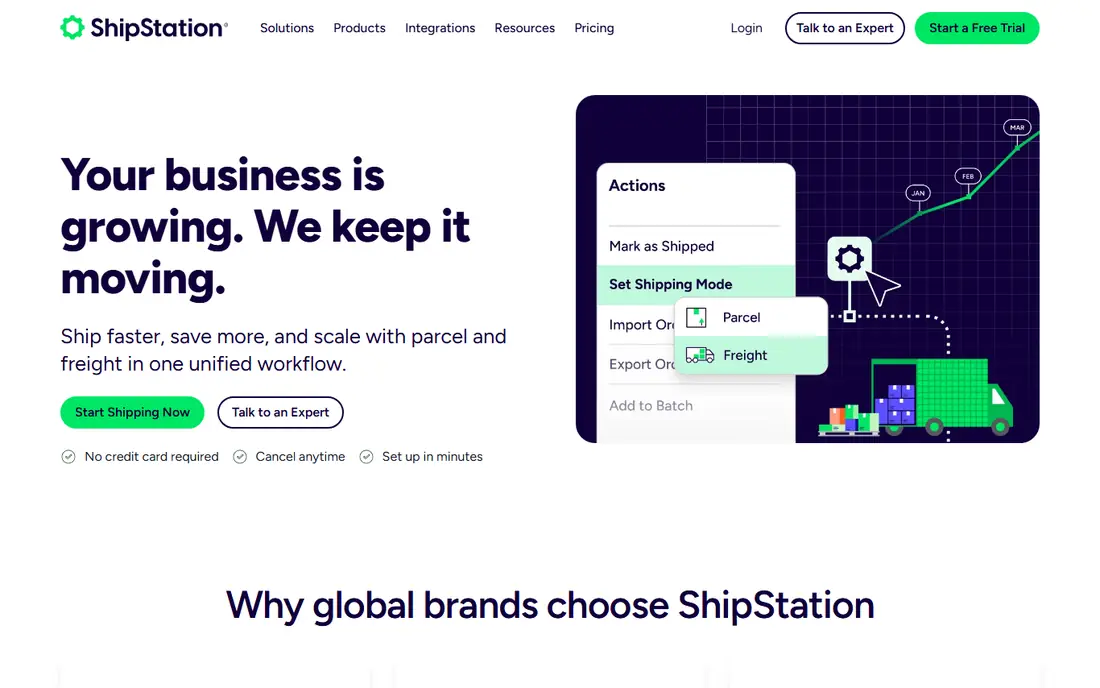
ShipStation is the default shipping tool for sellers on Shopify, Amazon, eBay, and other channels at once. Orders flow into one dashboard, automation rules assign carriers and services, and labels print in batches instead of one at a time. Discounted rates with major carriers help small sellers compete on shipping cost, and branded tracking pages keep buyers informed without extra emails.
The pricing catch is volume. Plans cap monthly shipments, so a busy month can push you into a higher tier even if nothing else changed. Higher plans add automation depth and user seats that small teams may not need. For a seller shipping tens to hundreds of orders a month across channels, ShipStation is still the most practical starting point.
- Connects many sales channels and carriers
- Automation rules cut manual label work
- Discounted carrier rates
- Shipment caps decide the tier, so growth raises the bill
- Advanced features sit on higher plans
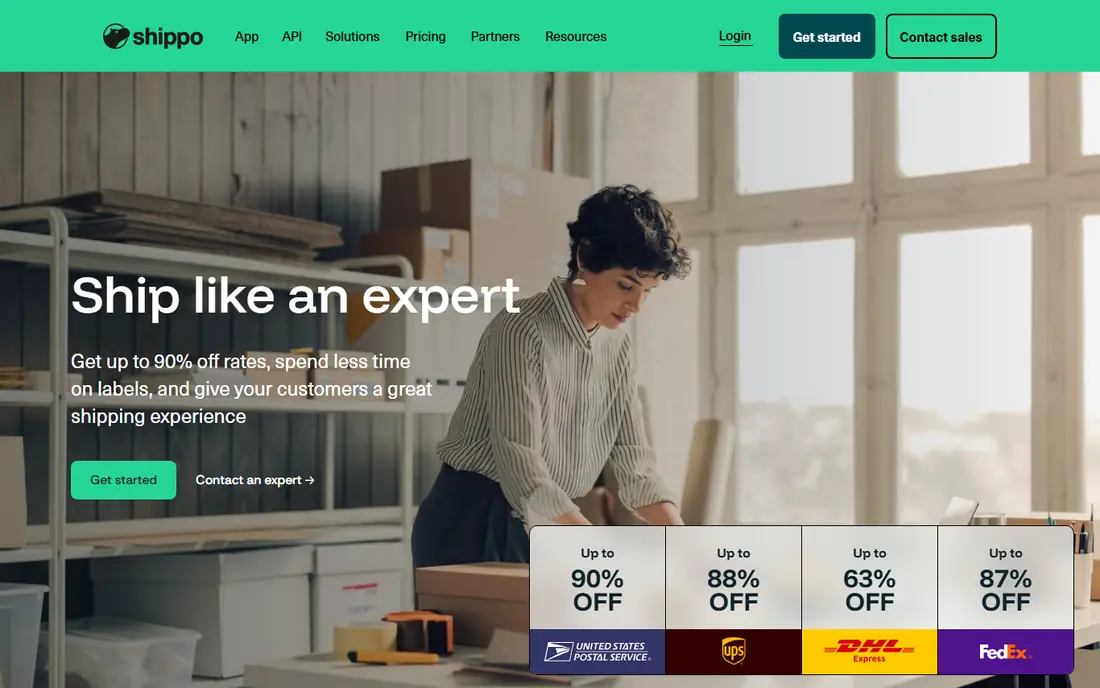
Shippo is the gentlest start in shipping software. The free tier lets a new seller print labels and compare carrier rates without a subscription, and the platform connects to dozens of carriers. A Pro plan adds automation, more users, and deeper features for growing stores, and developers can use the Shippo API to build shipping into a custom storefront.
It is less of a full warehouse or inventory system than Cin7, and sellers with complex fulfillment will outgrow it. For a small store that needs labels, tracking, and rate comparison without a monthly commitment, Shippo is hard to beat. Start free, watch your label volume, and move to Pro only when automation saves real hours.
- Free plan with label printing
- Access to many carriers
- Simple API for developers
- Pro plan needed for deeper automation
- Support depth varies by tier
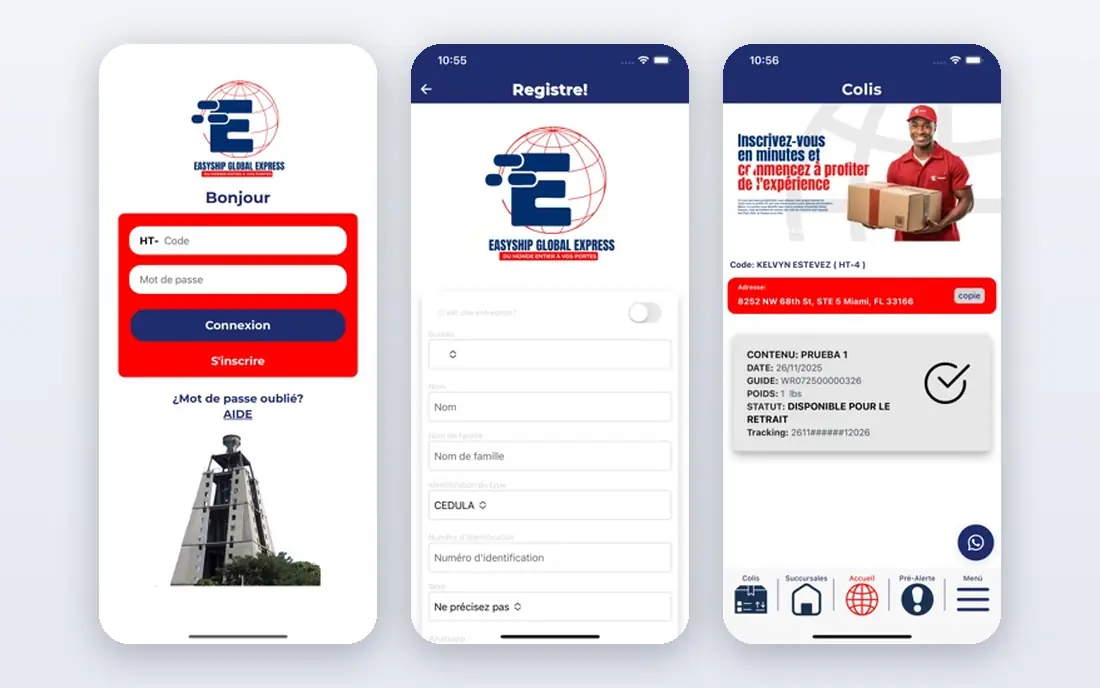
Easyship earns its place on cross-border strength. It connects to hundreds of courier services worldwide, calculates duties and taxes at checkout so buyers see the full landed cost, and generates the customs paperwork that trips up many first-time international sellers. The free plan covers a small monthly shipment allowance, with paid plans raising the cap.
International shipping still involves carrier fees, duties, and occasional delays no software can remove. Easyship reduces the paperwork pain but does not make cross-border shipping cheap. For a store whose growth depends on selling abroad, it is the most focused tool here. For domestic-only sellers, ShipStation or Shippo will feel simpler.
- Hundreds of courier services worldwide
- Duties and taxes calculated at checkout
- Free plan for low volume
- Paid plan needed beyond the free shipment allowance
- Cross-border fees still apply
Cin7 Core is the step up when shipping labels are no longer the bottleneck and inventory accuracy is. It tracks stock across channels and warehouses, manages purchase orders and wholesale, and connects to accounting tools, marketplaces, and 3PL partners. The higher Omni edition adds point of sale, EDI, and production features for brands selling retail alongside online.
The price is the filter. At $349 a month, Cin7 is a commitment, and setup takes planning, especially for a team moving off spreadsheets. But for a multichannel brand whose stock counts drift across channels, one accurate system replaces several tools and many manual checks. Shortlist Cin7 when channel count and warehouse count both keep growing.
- Inventory, orders, and warehouse in one system
- 700 plus integrations
- Built-in EDI on higher editions
- Entry price is high for small stores
- Implementation takes real effort
Logiwa is a warehouse management system built for brands and 3PLs running high-volume fulfillment from one or more warehouses. It handles receiving, put-away, picking, packing, and shipping with barcode-driven accuracy, and it scales across warehouses without forcing a move to a full enterprise ERP. For a fulfillment operation where pick errors directly cost money, that focus matters.
Pricing is by quote, so budget planning needs a sales conversation, and onboarding takes time and training. Small sellers will find ShipStation or Cin7 simpler and cheaper. Logiwa fits the stage where warehouse accuracy and throughput, not label printing, decide whether the business can grow.
- Warehouse management for high-volume operations
- Multi-warehouse support
- Strong order accuracy tools
- Quote-based pricing
- Implementation and training take time
Descartes covers the freight and compliance side of logistics that shipping-label tools do not touch. Its platform spans transportation management, customs declarations, trade compliance screening, and freight visibility, drawing on a large global network of carriers and brokers. Companies moving goods across borders at scale use it to keep paperwork, duties, and routing in one place.
The breadth is also the drawback: Descartes is a family of products, not one simple app, and pricing is by quote based on modules and volume. A small ecommerce seller does not need it. A company with regular international freight, customs filings, and compliance duties will find its depth hard to match with a label tool.
- Deep freight, customs, and compliance coverage
- Global trade data
- Large carrier and broker network
- Quote-based pricing
- Product range is broad and can feel complex
Oracle Transportation Management is built for large companies moving freight by road, ocean, air, and rail across many countries. It plans and optimizes shipments, manages carrier contracts and rates, tracks freight in transit, and settles freight bills, all tied into Oracle's wider supply chain and ERP products. For a global shipper, that end-to-end control is the point.
It is not a small-business tool. Implementation is a major project, pricing is by quote, and running it well needs staff who understand both logistics and the Oracle stack. Companies already on Oracle ERP get the most value. Everyone else should only consider it when freight complexity, not order volume, is the main problem.
- Advanced freight planning and optimization
- Global multi-modal support
- Deep ERP integration
- Enterprise price and implementation
- Needs skilled staff to run well
Manhattan Associates is a leader in supply chain execution, covering warehouse management, transportation management, and order management on a unified platform. Large retailers and distributors use it to run warehouses and transport at volumes where small errors become expensive fast. Its warehouse tools handle automation, labor planning, and complex picking strategies that simpler tools do not attempt.
As with Oracle, the cost and project scale put it out of reach for small businesses, and pricing is by quote. The right buyer is a company whose warehouses and transport networks are already large and growing. For that buyer, Manhattan's depth and track record justify the investment. For a growing ecommerce brand, Cin7 or Logiwa will deliver results sooner and cheaper.
- Strong warehouse and transport execution
- Proven at very high volumes
- Unified supply chain platform
- Enterprise pricing and implementation
- Overkill for small operations
How we picked these
We compared official product pages, pricing pages, and public documentation for logistics and shipping platforms available in October 2026, plus the related searches readers use, including logistics software for small business. We kept only platforms that are actively sold and maintained, and we covered the full range from free label tools to enterprise transport systems. Where a vendor does not publish a price, we wrote See website rather than estimating.
How to choose for your stage
Match the tool to the bottleneck, not the ambition. If labels and tracking eat your day, ShipStation or Shippo will help fastest. If stock accuracy across channels is the pain, Cin7 is the better spend. If warehouse throughput or freight compliance is the constraint, Logiwa, Descartes, or an enterprise platform fits. Buying an enterprise system for a label problem wastes money, and buying a label tool for a warehouse problem wastes time.
Count shipments and channels honestly
Pull last year's monthly shipment counts, including peak months, and list every sales channel and warehouse. Compare those numbers against plan caps, not against the headline price. A plan that fits an average month but breaks in December will cost you at the worst moment. Also check carrier coverage for the countries you actually ship to.
FAQ
What is the best logistics software for small business?
ShipStation is our pick for most small businesses selling on multiple channels, with Shippo as the best free start. Easyship leads for cross-border selling. Move to Cin7 when inventory and warehouse accuracy become the main problem.
What is the difference between logistics software and shipping software?
Shipping software prints labels and tracks parcels. Logistics software covers more of the chain: inventory, warehousing, freight planning, and customs. ShipStation and Shippo are shipping tools, while Cin7, Logiwa, and Oracle cover wider logistics jobs.
How much does logistics management software cost?
It ranges from free label tools to $349 a month for Cin7 Core and quote-based enterprise pricing above that. The honest total includes the subscription, carrier postage, and any implementation or training. Get a quote based on your actual shipment volume before deciding.
Do I need logistics software if I use a 3PL?
Often yes, but less of it. A 3PL runs the warehouse for you, yet you still need order flow, inventory visibility, and tracking. Tools like Cin7 connect to 3PL partners, and ShipStation can route orders to a 3PL. Ask your 3PL which systems it already integrates with before buying.
Can logistics software handle international shipping?
Yes, with limits. Easyship and Descartes specialize in duties, taxes, and customs paperwork, while ShipStation and Shippo handle international labels through carriers. No software removes duties or guarantees customs clearance times, so set buyer expectations on delivery dates.