Best Language Learning Apps in 2026: 10 Apps Compared
Looking for the best language learning apps? We compared 10 apps for 2026 on price, free plans, speaking practice, languages and live tutoring in detail.

- Editor's choice
 Duolingo
Free daily habit
Starts atFreeVisit duolingo.comFull review - Great alternative
 Babbel
Structured courses
Starts atSee websiteVisit babbel.comFull review - Also consider
 Rosetta Stone
Immersive pronunciation
Starts at$11.99 per monthVisit rosettastone.comFull review
TL;DR:
- Duolingo is our pick for most beginners, because its free tier builds a daily habit at no cost.
- Babbel is the best structured course for European languages, with clearer grammar and dialogue practice than gamified rivals.
- Pimsleur suits commuters and audio learners, while italki is the best route to real conversation with a human tutor.
- No app alone makes you fluent: pair daily app practice with speaking, listening to native media and, when you can, live lessons.
- Check whether your language has a full course at your level before you pay, since language lists hide gaps in depth.
Quick comparison
| Tool | Best for | Starts at | Free plan? | |
|---|---|---|---|---|
| Duolingo | Free daily habit | Free | Yes | Visit |
| Babbel | Structured courses | See website | Free trial | Visit |
| Rosetta Stone | Immersive pronunciation | $11.99 per month | Free trial | Visit |
 Pimsleur | Audio-only learning | $19.95 per month | Free trial | Visit |
 Busuu | Community feedback | See website | Yes | Visit |
 Memrise | Vocabulary and listening | See website | Yes | Visit |
 Mondly | Short daily lessons | $9.99 per month | Yes | Visit |
 italki | Live human tutors | See website | No | Visit |
 Lingoda | Live small-group classes | See website | Free trial | Visit |
 HelloTalk | Language exchange | Free | Yes | Visit |
The best language learning apps
We compared official pricing pages, course descriptions and feature pages for the best language learning apps, the best language learning app choices for beginners and the best apps for learning languages at home. The right app depends on your goal, your language and whether you learn best by reading, listening or speaking.

Duolingo is the best language app for most beginners because it removes the two usual barriers: cost and friction. The free tier teaches the same core lessons as the paid tier, with ads, and the streak system, leagues and short lessons make a daily habit easier to keep than a textbook routine. It covers a wide language list, from Spanish and French to less common choices, and it works on web and mobile.
The limit is depth. Duolingo builds vocabulary and sentence patterns well, but it explains grammar lightly and it will not on its own carry you to fluent conversation. Super removes ads and adds offline access, while Max adds AI roleplay for speaking practice.
- Full core lessons free with ads
- Streaks and gamification keep beginners going
- Covers 40 or more languages
- Grammar explanations are thin
- Speaking practice is limited on the free tier
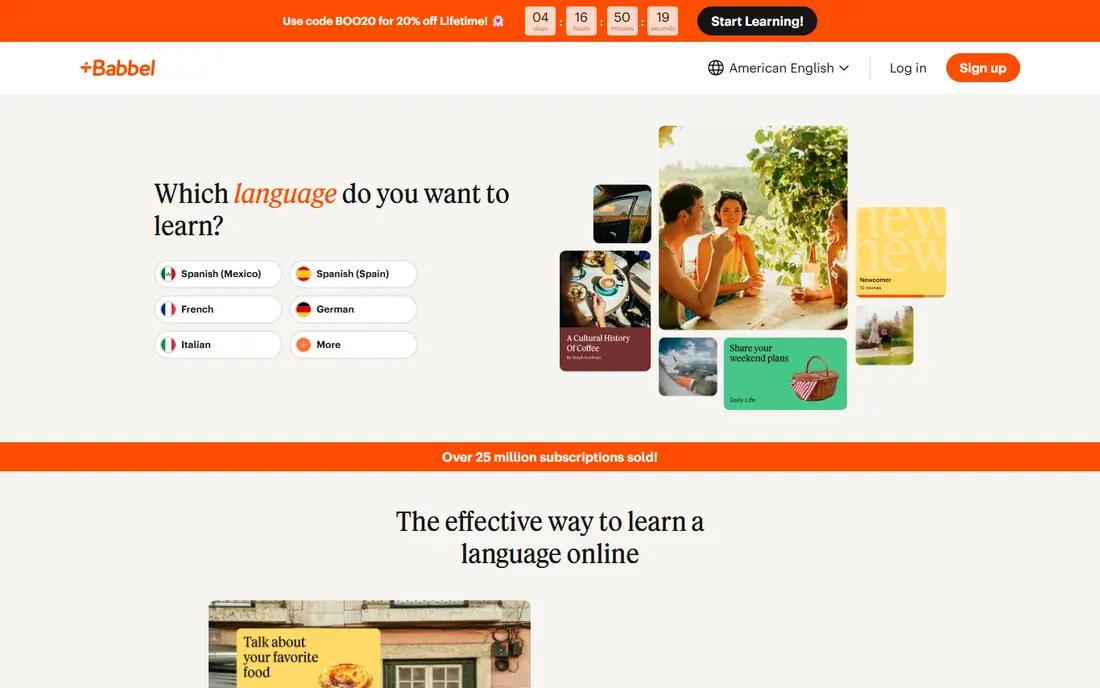
Babbel is our pick if you want a proper course rather than a game. Its lessons are written by language teachers, follow a clear progression, and focus on dialogues you would actually use, from ordering food to handling a work call. Grammar is explained in context, which helps learners who found Duolingo's pattern-only approach frustrating, and speech recognition gives feedback on pronunciation.
The trade-off is scope: Babbel covers 14 languages, mainly European, so learners of less common languages should check the list first. Pricing varies by plan length, with monthly, quarterly and annual options and a lifetime offer in some regions, so check the current price on the vendor site.
- Lessons built by language teachers
- Clear grammar and real-life dialogues
- Speech recognition for pronunciation
- Only 14 languages
- No permanent free tier beyond a first lesson
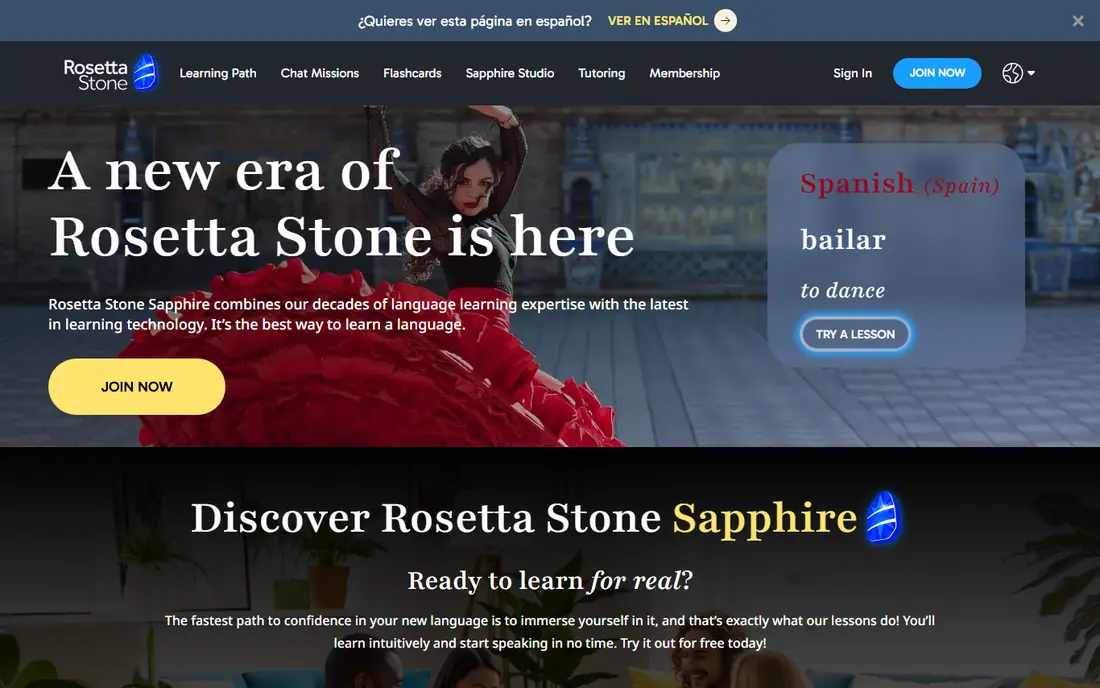
Rosetta Stone uses immersion: you learn words and sentences by matching images and audio, without translation in the lesson itself. That method suits visual learners and people who want to think in the new language from the start, and its TruAccent tool gives syllable-level pronunciation feedback that many rivals lack. A lifetime purchase option also appeals to learners who dislike subscriptions.
The downside is pace. Grammar is taught by pattern rather than explanation, so some learners feel lost when sentences get complex, and the image-matching format can feel repetitive over months. At $11.99 per month or a lifetime price for one language, Rosetta Stone is best for patient beginners who want pronunciation and immersion, paired with a grammar resource when they reach intermediate level.
- Image-based immersion without translation
- TruAccent speech feedback
- Lifetime purchase option
- Grammar progression feels slow
- Image guessing can get repetitive
Pimsleur is the best app to learn a language by ear. Its core lessons are 30-minute audio sessions built around speaking aloud, recalling phrases and responding to prompts, which suits driving, walking or household chores. The spaced repetition design helps phrases stick, and the focus on pronunciation gives new speakers confidence early, which is often the hardest part of starting a language.
Reading and writing get far less attention, so Pimsleur works best alongside a reading app such as Duolingo or Babbel, or a tutor for written work. At $19.95 per month for a single language, with an all-access option, it is pricier than gamified apps, but for commuters who would otherwise study nothing, that audio habit can be worth it.
- 30-minute audio lessons for commutes
- Strong spaced repetition for speaking
- Good for pronunciation and listening
- Light on reading and writing
- Monthly price is higher than app rivals
Busuu stands out for feedback from real people. Its courses follow CEFR levels, so you can see where you stand from A1 to B2 and beyond, and Premium users can submit writing and speaking exercises for correction by native speakers in the community. That human correction catches errors that automated grading misses, and it gives you a reason to write full sentences rather than tapping multiple choice answers.
The free tier covers basic lessons, while Premium adds offline access, grammar review and the full course range. Pricing varies by plan, so check the vendor site for the current monthly and annual rates. If you want structured progress plus community feedback, and your language is among Busuu's 14, it is a strong alternative to Babbel.
- CEFR-levelled courses from beginner to upper levels
- Native-speaker corrections on exercises
- Free tier for basic lessons
- Language list is smaller than Duolingo
- Full features need Premium
Memrise is best for building vocabulary and an ear for real speech. Its lessons use videos of native speakers, so you hear phrases at natural speed and in varied accents, rather than only a synthetic voice. Spaced repetition reviews words at intervals that help them stick, and the app now adds AI conversation tools for speaking practice on paid plans.
The free plan gives limited daily speaking practice and basic lessons, while Pro adds unlimited speaking, full wordlists and an ad-free experience. Pricing on app stores varies, with monthly, annual and lifetime offers reported at different rates, so check the Memrise site or your store for the price you will actually pay. Use Memrise alongside a structured course if grammar is your weak point.
- Native-speaker videos for real-world listening
- Spaced repetition for vocabulary
- Free tier for basic learning
- Grammar coverage is thinner than Babbel
- Pricing varies by platform and offer
Mondly suits learners who want a wide language choice and short, game-like lessons. It covers 41 languages, offers daily lessons, vocabulary builders and a chatbot for conversation practice, and its annual plan is cheaper per month than the monthly rate. For a learner trying a less common language, Mondly's list is a real advantage over Babbel or Busuu.
Depth is uneven: popular languages have fuller courses than rarer ones, and intermediate learners may find the progression thinner than Babbel. The free version covers basic lessons, while paid plans add the full course range. If you want a low-cost, wide-choice app for daily practice, Mondly is a good fit, especially for beginners.
- 41 languages with short daily lessons
- Speech recognition and chatbot practice
- Augmented reality and virtual reality features on some plans
- Depth varies by language
- Advanced learners may outgrow it quickly
italki is the best app for learning a language through real conversation. You choose a professional teacher or a community tutor, book a lesson at a time that suits you, and pay per lesson rather than by subscription. Lesson prices vary widely by tutor, language and experience, with community tutors often starting at a few dollars per hour, which makes live speaking far cheaper than a traditional language school.
The trade-off is that you must choose well: tutor quality varies, so use trial lessons, read reviews and test two or three tutors before settling on one. italki does not replace a structured course on its own, but paired with Duolingo or Babbel for daily practice, it is the fastest route to speaking with confidence. For intermediate learners stuck at a plateau, a weekly italki lesson often helps more than another app.
- One-to-one lessons with tutors worldwide
- Pay per lesson, no subscription required
- Covers 150 or more languages
- Quality varies by tutor, so trial lessons matter
- No structured course unless your tutor builds one
Lingoda offers live, small-group classes with teachers, following a CEFR curriculum from beginner to advanced levels. That structure suits learners who want a classroom routine, accountability and a certificate at the end of a level, without travelling to a language school. Sprint programmes, which reward learners who attend every class in a period, add motivation for committed students.
Cost is the main barrier: class-credit plans billed every four weeks are pricier than self-study apps, and the value depends on attending regularly. A 7-day free trial lets you test the class format before committing. Choose Lingoda if you learn best in a live class and you can commit to a regular schedule, and choose italki if you prefer one-to-one flexibility at a lower per-lesson cost.
- Live classes with qualified teachers
- CEFR-aligned curriculum with certificates
- Sprint programmes reward full attendance
- Expensive for occasional learners
- Class times may not suit every timezone
HelloTalk connects you with native speakers who want to learn your language, so you teach each other through text, voice messages and calls. Built-in correction tools let a partner fix your sentences, translation helps when you get stuck, and moments and groups add a social layer beyond one-to-one chats. The basic service is free, with a paid VIP option for extra features.
As a course, HelloTalk is not structured: progress depends on finding good partners and keeping conversations going, which takes effort and patience. It works best as a speaking supplement to Duolingo, Babbel or Pimsleur, giving you real conversation without paying for lessons. For learners on a tight budget, HelloTalk plus a free app is the cheapest route to live practice.
- Free exchange with native speakers worldwide
- Built-in correction and translation tools
- Voice, text and call options
- Quality of partners varies
- Not a structured course, so progress needs self-direction
How we picked these
We compared official pricing pages, course descriptions and language lists for the major language apps in October 2026, and we kept only apps that are actively maintained and offer a real course or live practice, not just a phrase list. We weighted free tier quality, speaking practice, grammar depth, language coverage at your level, and price transparency. We favoured apps that publish their pricing and that offer a trial or free tier, so you can test method fit before paying.
How to choose the right language app
Start with your goal and your time. For travel phrases in a month, Duolingo or Mondly plus a phrasebook will do. For a structured path to conversation, Babbel or Busuu plus weekly speaking practice is stronger. For listening and speaking on a commute, Pimsleur is the best fit. For exam or work use, Lingoda's CEFR classes or a qualified italki teacher will give you clearer milestones than a gamified app alone.
Next, check depth in your language. A language list of 40 does not mean every language has a full course, and some apps offer only beginner material for rarer languages. Try the free tier for a week, test whether lessons still challenge you after the first few days, and check whether speaking, listening, reading and writing are all covered. If an app only tests vocabulary, pair it with a tutor or a conversation partner.
A routine that actually leads to speaking
Use one app for daily practice, 15 to 30 minutes a day, and add one speaking session a week, through italki, HelloTalk or a local group. Listen to native media, such as podcasts or shows with subtitles, and keep a small notebook of phrases you actually use. Review old vocabulary with spaced repetition, and accept that progress slows at intermediate level: that plateau is normal, and live conversation is usually what breaks it.
FAQ
What is the best language learning app for beginners?
Duolingo is the best free starting point for beginners, because its free tier covers core lessons and its streak system builds a daily habit. Babbel is the best paid alternative if you want clearer grammar and structured dialogues. Try both free options for a week and keep the one you open daily.
What is the best app to learn a language for free?
Duolingo, Busuu, Memrise and Mondly all offer free tiers that cover serious beginner material, while HelloTalk offers free language exchange with native speakers. Duolingo's free tier is the most complete for daily lessons, and HelloTalk adds the speaking practice that free courses lack. Together, they cover learning and conversation at no cost.
Is Babbel or Duolingo better?
Babbel is better for structured grammar, dialogue practice and reaching conversational level in a European language. Duolingo is better for building a free daily habit and for a wider language choice. Many learners use Duolingo for daily vocabulary and Babbel for a structured course, which covers both habit and depth.
Can I become fluent with only a language app?
No app alone reliably leads to fluency, because fluency needs live conversation, listening to native speech and reading real texts. Apps build vocabulary, grammar and listening well, but you should add speaking practice through italki, HelloTalk or Lingoda, plus native media, to reach a conversational level. Expect basic conversation after a few months of daily practice, and a year or more for professional fluency.
What is the best language app for speaking practice?
italki is the best for live speaking with a human tutor, while HelloTalk is the best free option for exchange with native speakers. Pimsleur builds speaking confidence through audio drills, and Duolingo Max and Memrise Pro add AI conversation practice. For real fluency, human conversation beats AI practice, even if AI is more convenient.
How long does it take to learn a language with an app?
With 15 to 30 minutes of daily practice, many learners reach basic conversation in two to six months, depending on how close the language is to their own. Reaching an intermediate level usually takes six to twelve months, and professional fluency takes longer and needs live practice. Consistency matters more than the app you choose, so pick the routine you will keep.