Best Intranet Software for Small Business in 2026: 8 Tools Compared
Compare the best intranet software for small business. We review 8 affordable tools on setup, mobile access, pricing, and ease of use daily for small teams.
- Editor's choice
 SharePoint
Microsoft 365 small businesses
Starts at$5 per user per monthVisit microsoft.comFull review - Great alternative
 Jostle
Simple people-first intranets
Starts atSee websiteVisit jostle.meFull review - Also consider
 Happeo
Google Workspace small businesses
Starts atSee websiteVisit happeo.comFull review
TL;DR:
- SharePoint is the best value for small businesses already paying for Microsoft 365, since the intranet is often included.
- Jostle and Happeo suit small office teams that want news, people, and documents without enterprise complexity.
- Connecteam and Blink are the best picks for small teams with deskless staff, thanks to mobile apps that work without company email.
- Axero, ThoughtFarmer, and Zoho Connect give smaller firms a middle path, with clearer pricing than large enterprise intranets.
Quick comparison
| Tool | Best for | Starts at | Free plan? | |
|---|---|---|---|---|
| SharePoint | Microsoft 365 small businesses | $5 per user per month | Free trial | Visit |
| Jostle | Simple people-first intranets | See website | Free trial | Visit |
| Happeo | Google Workspace small businesses | See website | Free trial | Visit |
 Connecteam | Deskless small teams | $29 per month | Yes | Visit |
 Blink | Mobile-first frontline teams | $3.75 per user per month | Free trial | Visit |
 Axero | All-in-one intranet and collaboration | See website | Free trial | Visit |
 ThoughtFarmer | Content-rich intranets | $12 per user per month | Free trial | Visit |
 Zoho Connect | Budget social intranets | See website | Yes | Visit |
The best intranet software for small business
Small businesses need an intranet that launches in days, not months, and that staff actually use. The best intranet platforms for small business therefore favor simple setup, clear pricing, and a mobile app over deep enterprise governance. We compared official pricing pages, feature pages, and public documentation for the tools below, focusing on news, documents, people directories, mobile access, and total cost for a team under 100 people.
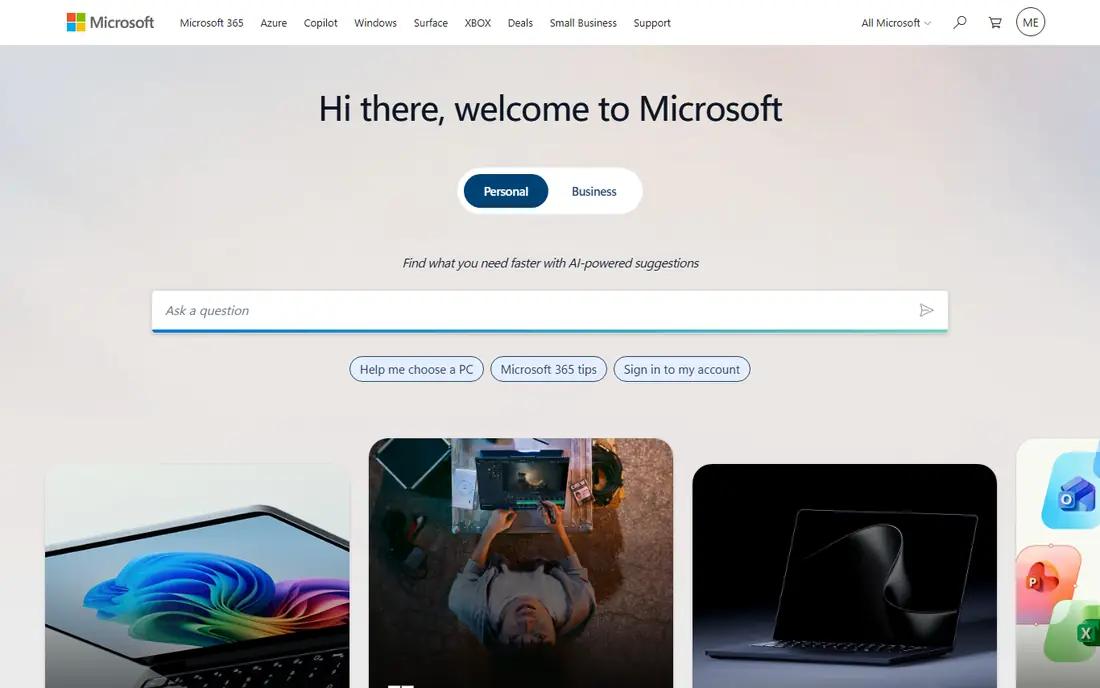
SharePoint is the practical default for a small business already using Microsoft 365. Plan 1 costs $5 per user per month standalone, and many business plans already include SharePoint, which means the intranet may cost nothing extra. Document libraries, team sites, news, search, and permissions all sit close to Teams and OneDrive, so staff do not need another login or another file system. For a team that already lives in Outlook and Teams, that familiarity is a major advantage.
The work is in setup. A raw SharePoint site looks like a file store, not an intranet, so someone needs to build a clear home page, a news channel, and a small set of owned pages. Small businesses that skip that step often see low use. If you can invest a day or two in setup, or hire a consultant for a simple build, SharePoint gives small-business value that quoted enterprise intranets cannot match.
- Often already included in Microsoft 365
- Strong document control
- Teams integration
- Needs setup to feel like an intranet
- Design can feel dated without work

Jostle is built for small and mid-size companies that want an intranet people enjoy visiting. News, activity, shout-outs, people profiles, and discussions are at the center, with a library for structured content on higher plans. Pricing scales by user count, with published examples such as $2.77 per user per month for Bronze at 500 users, though small-team pricing should be quoted directly. Free onboarding and coaching on plans help small teams launch without a consultant.
The trade-off is document depth. Jostle handles news and people better than heavy document management, where SharePoint leads. Small office and hybrid teams that value culture, recognition, and clear announcements will find Jostle a friendly fit. Teams with complex document workflows should pair Jostle with their existing file system rather than expecting it to replace one.
- Clear news and recognition focus
- Free onboarding help
- Easy for non-technical admins
- Pricing varies by headcount
- Document depth is lighter than SharePoint

Happeo is the Google Workspace answer to SharePoint for small businesses. Channels, intranet pages, and a people directory sit close to Drive, Docs, and Calendar, so staff keep working in the tools they already know. The design is clean and social, which helps adoption in small teams where an intranet can easily feel like extra work. Announcement channels and search also help new hires find teams, policies, and updates without asking around.
Pricing is quoted by organization, which is less transparent than SharePoint or Connecteam for a small buyer. Happeo also makes most sense when Google is already the file and email system. For a Google-first small business that wants an intranet that feels like part of Workspace, Happeo is worth a trial, especially if the team values channels over complex document libraries.
- Google Workspace native
- Channels, pages, and people directory
- Clean design
- Quote-based pricing
- Less value for Microsoft shops
Connecteam is the best small-business intranet for deskless teams. The free plan covers basic communication and knowledge, and paid plans start at $29 per month for the first 30 users, which is clear and affordable for a small firm. Alongside news and a knowledge base, teams get scheduling, time tracking, checklists, training, and forms in one mobile app. That mix suits retail, field services, hospitality, and trades, where staff rarely sit at a desk.
The compromise is intranet polish. Connecteam is a workforce app first, so rich intranet pages and deep document permissions are thinner than SharePoint or ThoughtFarmer. For a small deskless team, that trade is usually worth it, since staff will actually open the app each shift. If your team is mostly office-based, Jostle or Happeo may feel more like a traditional intranet.
- Free plan available
- Flat price for first 30 users
- Scheduling, forms, and training included
- Feels more like a workforce app than a classic intranet
- Some features need higher plans
Blink is a mobile-first employee app that works well as a small-business intranet for frontline teams. Published pricing starts at $3.75 per user per month for Core on annual billing, with Pro at $5.00, which makes budgeting easy for a small firm. Frontline staff can use the app without company email, and features cover news, feeds, chats, forms, and a people directory. That combination helps small retailers, care providers, and logistics firms reach staff who never open a desktop portal.
Document management is lighter than SharePoint, and some advanced features sit on higher plans. Blink is also best when mobile is the main channel, rather than a desktop intranet with rich pages. For a small business with a large frontline share and a need for clear pricing, Blink is a strong and modern choice.
- Published per-user pricing
- Mobile-first design
- No company email needed for frontline staff
- Less document depth than SharePoint
- Enterprise features need higher plans
Axero, formerly Communifire, offers an all-in-one intranet that combines pages, social feeds, collaboration spaces, document management, and knowledge bases. Small businesses can build department spaces, project areas, and company news in one system, without stitching several tools together. Customization is flexible, so a small firm can match branding and layout without developer help. That breadth appeals to teams that want one home for communication and collaboration.
Pricing is less transparent than Connecteam or Blink, and setup benefits from planning around spaces and permissions. Small teams that only need news and a directory may find Axero more than they need. For a growing small business that wants intranet plus collaboration in one platform, Axero offers good depth without enterprise complexity.
- Intranet, collaboration, and knowledge in one tool
- Customizable pages
- Social features
- Quote-based pricing for many plans
- Setup needs planning
ThoughtFarmer is a content-first intranet that suits small businesses with a lot of knowledge to organize. Editing is intuitive, pages are easy to structure, and search helps staff find policies, guides, and updates without hunting through folders. Pricing starts around $12 per user per month in published guidance, with a 14-day trial available. That makes it a mid-priced option for teams that value content quality over a social feed.
The trade-off is frontline focus. ThoughtFarmer is stronger for office and knowledge workers than for deskless teams that need a mobile-first app. Small businesses with many procedures, manuals, and training materials will get the most value. If your main need is reaching shift workers on phones, Connecteam or Blink is a better fit.
- Strong content management
- Intuitive editing
- Good for knowledge-heavy teams
- Higher entry price than budget tools
- Less focus on frontline mobile
Zoho Connect is a social intranet tool inside the Zoho suite, and it is one of the cheapest ways for a small business to start. Feeds, groups, discussions, tasks, and a people directory give a small team a shared place for news and conversation. Pricing is low, with free options for small teams in published guidance, and paid plans stay affordable. Businesses already using Zoho CRM, Books, or Mail get extra value from shared data and single sign-on.
Zoho Connect feels more like a social collaboration tool than a formal intranet with rich pages and governance. Small teams that want a simple, low-cost hub will be happy, while firms that need structured document libraries should look at SharePoint. For a bootstrapped small business already in the Zoho world, Connect is an easy and affordable start.
- Low cost and free options
- Feeds, groups, and tasks
- Fits Zoho users
- Less polished as a formal intranet
- Some features need Zoho ecosystem
How we picked these
We compared official pricing pages and feature pages for intranets that a small business can launch without an enterprise sales cycle. We favored tools with a free plan or trial, published or quotable small-team pricing, mobile access, and a clear owner for news and documents. We left out enterprise-only platforms that require large minimum contracts, since they do not fit a small-business budget or timeline.
What small businesses should check first
Start with where your files already live. Microsoft 365 firms should start with SharePoint, Google Workspace firms with Happeo, and Zoho firms with Zoho Connect. Choosing against your current system adds logins and duplicate files that a small team rarely has time to manage. Next, check mobile use: ask three staff members to find a policy and a colleague on a phone, and time how long it takes.
Also name a content owner before launch. An intranet with no owner becomes stale within weeks, and stale pages teach staff to stop visiting. Plan a simple structure: one home page, one news channel, one policy library, and one people directory. Launch with that small set, measure whether staff find news faster, and add spaces only when a real need appears. A small intranet that stays current beats a large one that no one trusts.
Keeping costs under control
Ask for a total price for your exact headcount, including mobile access and any add-ons. Free plans from Connecteam and Zoho Connect can cover a very small team, while SharePoint may already be included in your Microsoft subscription. Avoid paying for enterprise analytics, signage, or chat add-ons until you know you need them. A pilot with one team for a month will reveal real use before you commit company wide.
FAQ
What is the best intranet software for small business?
The best intranet software for small business depends on your current tools. SharePoint suits Microsoft 365 firms, Happeo suits Google Workspace firms, and Connecteam or Blink suit deskless teams. The best intranet platforms for small business are those that launch fast, cost clearly, and get opened daily by staff.
Is there a free intranet for small business?
Yes, Connecteam offers a free plan, Zoho Connect offers free options for small teams, and SharePoint may already be included in a Microsoft 365 subscription. Free plans have limits on users, storage, or features, so check whether your team size and document needs fit. A free plan is a good way to pilot an intranet before paying.
How much does small business intranet software cost?
Small business intranet costs range from free to around $12 per user per month, with Connecteam starting at $29 per month for the first 30 users and Blink from $3.75 per user per month. SharePoint Plan 1 is $5 per user per month standalone. Enterprise intranets are quoted and usually cost more, so ask for a total price for your headcount.
Do small businesses need an intranet?
A small business needs an intranet when news, policies, and contacts are scattered across email, chat, and shared drives, and staff waste time searching. A simple intranet with news, a policy library, and a people directory can save that time even for a team of 20. If your team is under ten and already shares everything in one chat tool, a full intranet may be more than you need.
Can an intranet work for deskless staff?
Yes, Connecteam and Blink are built for deskless staff, with mobile apps that work without company email. Staff can read news, complete forms, and find colleagues from a phone. SharePoint and Happeo work best when staff already have Microsoft or Google accounts, so deskless firms should test mobile access with real frontline staff before choosing.