Best Embedded Payments Software in 2026: 8 Platforms Compared
Best embedded payments software in 2026, compared on onboarding, payouts, splits, pricing and global reach, from Stripe Connect to Finix and Adyen. Read on.
- Editor's choice
 Stripe Connect
Fast global platform launch
Starts atSee websiteVisit stripe.comFull review - Great alternative
 Adyen for Platforms
Enterprise omnichannel platforms
Starts atSee websiteVisit adyen.comFull review - Also consider
 Finix
US and Canada platform ownership
Starts atSee websiteVisit finix.comFull review
TL;DR:
- Stripe Connect leads for speed and global breadth, with connected accounts, payouts and platform fees in one integration.
- Adyen for Platforms leads for enterprise omnichannel platforms that need unified online, in-person and payout flows.
- Finix leads for US and Canadian platforms that want a path from managed facilitation to fuller payment ownership.
- Rapyd, Moov, Rainforest, Worldpay for Platforms and Dwolla each win for global payouts, developer control, vertical SaaS or bank transfers.
- This is not financial advice. Payment economics depend on volume, payout rails, card mix and compliance scope, so model total cost before choosing.
Quick comparison
| Tool | Best for | Starts at | Free plan? | |
|---|---|---|---|---|
| Stripe Connect | Fast global platform launch | See website | Free trial | Visit |
| Adyen for Platforms | Enterprise omnichannel platforms | See website | Free trial | Visit |
| Finix | US and Canada platform ownership | See website | Free trial | Visit |
 Rapyd | Global payouts and wallets | See website | Free trial | Visit |
 Moov | Developer-first money movement | See website | Free trial | Visit |
 Rainforest | Vertical SaaS embedded payments | See website | Free trial | Visit |
 Worldpay for Platforms | Broad vertical platform payments | See website | Free trial | Visit |
 Dwolla | Bank transfer payouts | See website | Free trial | Visit |
The best embedded payments software
Embedded payments let a software platform accept payments, split funds, charge platform fees and pay sellers or workers without sending users to a separate checkout. We compared official product pages, onboarding options, payout rails, pricing models and public platform feedback, and we favored providers with clear compliance handling and developer tools that match real platform workflows.
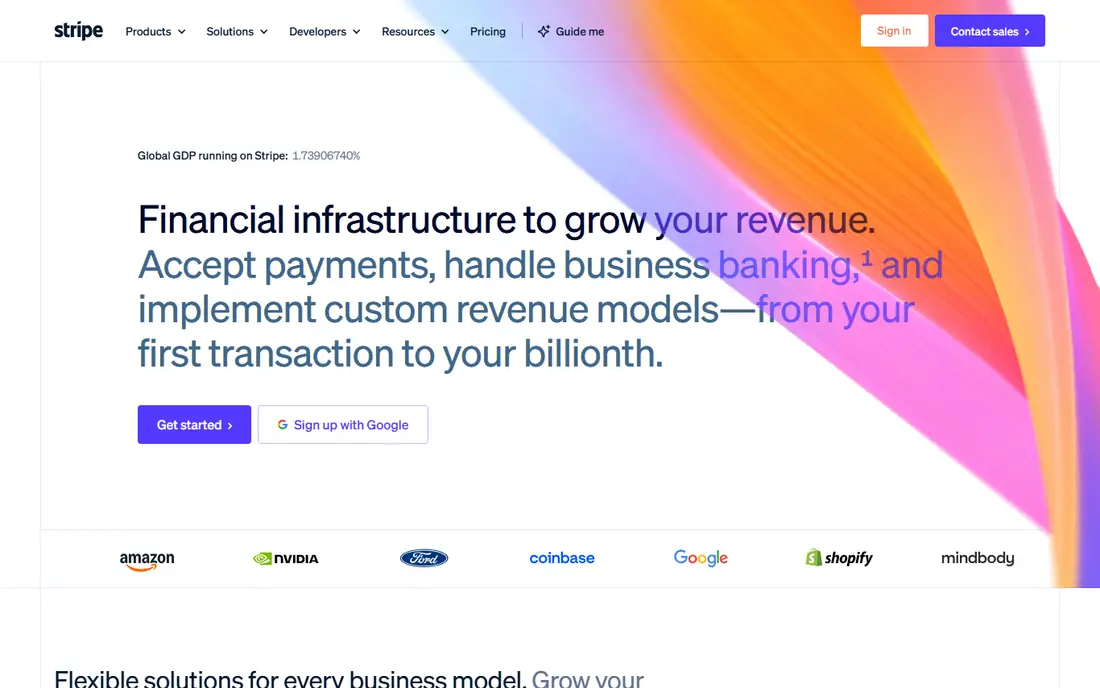
Stripe Connect is our pick for most platforms starting embedded payments. Connected accounts handle onboarding, identity checks, payouts and tax reporting pieces, while the platform controls branding, fees and the payment flow. That combination lets marketplaces and SaaS products launch payments quickly and scale across many countries without building payment infrastructure from scratch.
The trade is control versus cost. Stripe sets many terms, and payout timing, fees and account types vary, so high-volume platforms should negotiate and model total cost. Support is also largely online. If speed, global reach and developer tools matter most, Stripe Connect is hard to beat.
- Fast onboarding with connected accounts
- Global card and payout coverage
- Platform fees and splits built in
- Pricing and payout terms vary by account type
- Support is largely online
- Enterprise terms need negotiation

Adyen for Platforms suits large platforms that sell online and in person. It unifies card acceptance, platform payouts, business accounts and card issuing in one system, which helps marketplaces and franchise-style platforms that need consistent reporting across channels. Enterprise risk, fraud and compliance tools also suit regulated or high-volume use.
Adyen is not a quick self-serve start for a tiny platform. Onboarding and integration take longer, and pricing is custom. If you run an enterprise platform with omnichannel needs and global sellers, Adyen offers depth that simpler providers cannot match.
- Unified online and in-person payments
- Platform payouts and business accounts
- Strong enterprise risk tools
- Enterprise focus means longer onboarding
- Pricing is custom and quote-based

Finix suits US and Canadian platforms that want payments as a real product line, not just a feature. It offers managed facilitation for faster launch and a path to fuller payment facilitation, with control over merchant pricing and economics. That flexibility helps vertical SaaS companies that want to grow payment revenue over time without switching providers.
Fuller ownership brings more compliance, risk and operations responsibility, so teams need staff or partners to handle it. Finix also focuses on the US and Canada, so global platforms need a second provider for other regions. If you want a growth path in North America, Finix is a strong choice.
- Path from managed facilitation to full payment facilitation
- Fee-level control
- Online and in-person options
- Focused on US and Canada
- Full ownership adds compliance and operations work
Rapyd suits platforms with sellers, workers or customers across many countries. It supports local payment methods, global payouts, wallets and card issuing, which helps marketplaces pay people in their local rails rather than forcing everyone through cards. That breadth is valuable for gig, creator and cross-border platforms.
The trade is complexity. Method availability, pricing and compliance vary by country, and a global integration takes careful planning. If your platform is US-only, a simpler provider may be faster. If cross-border payouts are core to your product, Rapyd deserves a close look.
- Broad global payment methods
- Payouts, wallets and card issuing
- Strong cross-border coverage
- Pricing and method availability vary by country
- Integration scope can be large
Moov suits engineering-led platforms that want building blocks rather than a fixed product. Its APIs cover accounts, wallets, transfers and payouts, which lets a team design a custom money flow for a marketplace, vertical SaaS product or internal tool. Clear docs and an open approach appeal to developers who want control over the payment experience.
Moov is not a turnkey managed solution. Teams need engineering time to build onboarding, compliance and reporting pieces around the core money movement tools. If your team has strong engineers and a custom flow in mind, Moov offers flexibility. If you want a managed launch, Stripe or Rainforest may be faster.
- Open developer tools and clear APIs
- Wallet, transfer and payout building blocks
- Good for custom platform flows
- Smaller ecosystem than Stripe or Adyen
- Teams need more engineering to build full payment products
Rainforest suits vertical SaaS companies that want embedded payments without losing the customer relationship. Its component-based approach lets a platform embed onboarding, acceptance and payouts while keeping its brand and customer ownership. Hands-on partner support also helps smaller SaaS teams that lack a large payments staff.
Rainforest focuses on the US market, so global platforms need other providers for international sellers. Pricing is custom and needs a sales conversation. If you run a vertical SaaS product in the US and want a partner-led launch, Rainforest is a strong fit.
- Component-based embedded payments for vertical SaaS
- Platform keeps customer relationship
- Hands-on partner support
- US-focused
- Smaller scale than global rivals
- Pricing is custom
Worldpay for Platforms suits larger vertical platforms that need a broad, enterprise-grade payment partner. It offers payment facilitation as a service, with acceptance, payouts and reporting across several major markets. That scale helps platforms in hospitality, retail, healthcare and other verticals with complex payment needs.
The sales and onboarding process is enterprise-style, so small platforms may find it slow. Product fit also varies by industry, so check your vertical and region early. If you need a large, established partner with broad coverage, Worldpay for Platforms is a credible choice.
- Broad money movement suite
- PayFac-as-a-service options
- Coverage across North America, UK, Australia and New Zealand
- Enterprise sales process
- Product fit varies by industry and region
Dwolla suits platforms whose main money flow is bank transfers rather than cards. Its ACH tools handle payouts, collections and account-to-account transfers, which fits payroll-style payouts, marketplace disbursements and B2B payment flows. Developers get a clear API for building those flows into a platform.
Dwolla is not a full card platform, so teams that also need card acceptance must pair it with a card provider. That split can add integration work. If bank payouts are your core need, Dwolla is a focused, reliable layer. If cards dominate, start with Stripe, Adyen or Finix instead.
- Strong ACH bank transfer tools
- Good for payouts and account-to-account flows
- Clear API for developers
- Not a full card acceptance platform
- Card use needs other providers
- Best as a payout layer
How we picked these
We compared official product pages, onboarding models, payout rails, pricing structures and public platform feedback, and we favored providers with clear compliance handling, developer docs and real platform customers. We kept a mix of global, North American and developer-first options, since embedded payments differ sharply by region and platform size. Pricing was left as See website because most embedded deals are custom and depend on volume, rails and risk.
How to choose embedded payments software
Decide how much ownership you want
Managed facilitation launches fastest with the least compliance work, while full payment facilitation gives more control and margin but adds risk and operations. Choose the model that matches your team size and revenue goals, and check whether the provider lets you move between models later.
Model payouts, not just acceptance
Card acceptance is only half the job. Check payout rails, timing, split logic, fees and tax reporting for sellers or workers, since slow or costly payouts hurt retention more than a slightly higher acceptance rate.
Test onboarding with real sellers
Run a trial onboarding with a realistic seller, including identity checks, bank linking and payout setup. A smooth demo can hide friction that real sellers face, and that friction decides whether platforms actually adopt your payments product.
FAQ
What is the best embedded payments platform?
Stripe Connect leads for fast global launches, Adyen for Platforms leads for enterprise omnichannel platforms, and Finix leads for US and Canadian platforms that want ownership over time. The best choice depends on region, volume and how much compliance work your team can handle.
What are the best embedded payment platforms for SaaS?
Stripe Connect, Finix and Rainforest are strong for SaaS, with Stripe fastest globally, Finix strongest for North American ownership, and Rainforest strongest for vertical SaaS with partner support. Check region, payout needs and pricing model before choosing.
How do embedded payments make money for a platform?
Platforms typically earn a margin between what merchants pay and what the provider charges, plus platform fees on transactions or payouts. The margin depends on volume, card mix, payout rails and whether the platform uses managed or full facilitation.
Is Stripe Connect good for marketplaces?
Yes, Stripe Connect is widely used for marketplaces because it handles connected accounts, splits, platform fees and payouts in one system. High-volume marketplaces should still compare payout terms and negotiate pricing as they scale.
What is the difference between embedded payments and a payment gateway?
A gateway mainly processes card payments for a merchant, while embedded payments let a platform onboard sellers, accept payments, split funds and pay out inside its own product. Embedded providers handle more of the compliance and money movement work for the platform.