Best Email Marketing Software Comparison in 2026: 8 Tools Compared
This best email marketing software comparison weighs 8 tools on price, automation, deliverability features, templates and ease of use for small teams.
- Editor's choice
 Mailchimp
Small teams that want many integrations
Starts at$13 per monthVisit mailchimp.comFull review - Great alternative
 Constant Contact
Local businesses and event organisers
Starts atSee websiteVisit constantcontact.comFull review - Also consider
 Brevo
Businesses that want email plus SMS and CRM
Starts atSee websiteVisit brevo.comFull review
TL;DR:
- Our top pick for most people is Mailchimp, because it balances range, price clarity and everyday usability.
- Constant Contact is the strongest alternative when local businesses and event organisers matters most to your decision.
- Prices vary widely, from free plans such as Mailchimp where offered to quote-based enterprise tools, so model total cost at your real usage level.
- The best best email marketing software comparison choice depends on your size, budget and existing tools, not on a single feature list.
Quick comparison
| Tool | Best for | Starts at | Free plan? | |
|---|---|---|---|---|
| Mailchimp | Small teams that want many integrations | $13 per month | Yes | Visit |
| Constant Contact | Local businesses and event organisers | See website | Free trial | Visit |
| Brevo | Businesses that want email plus SMS and CRM | See website | Yes | Visit |
 Kit | Creators selling newsletters and products | See website | Free trial | Visit |
 ActiveCampaign | Teams that want deep automation and CRM | See website | Free trial | Visit |
 Klaviyo | Ecommerce stores on Shopify and similar platforms | See website | Yes | Visit |
 MailerLite | Small teams and creators on a budget | See website | Yes | Visit |
 GetResponse | Teams that want email, webinars and funnels | See website | Free trial | Visit |
The best email marketing software
The right email tool depends on list size, how much automation you need and whether you sell products, run a newsletter or serve clients.
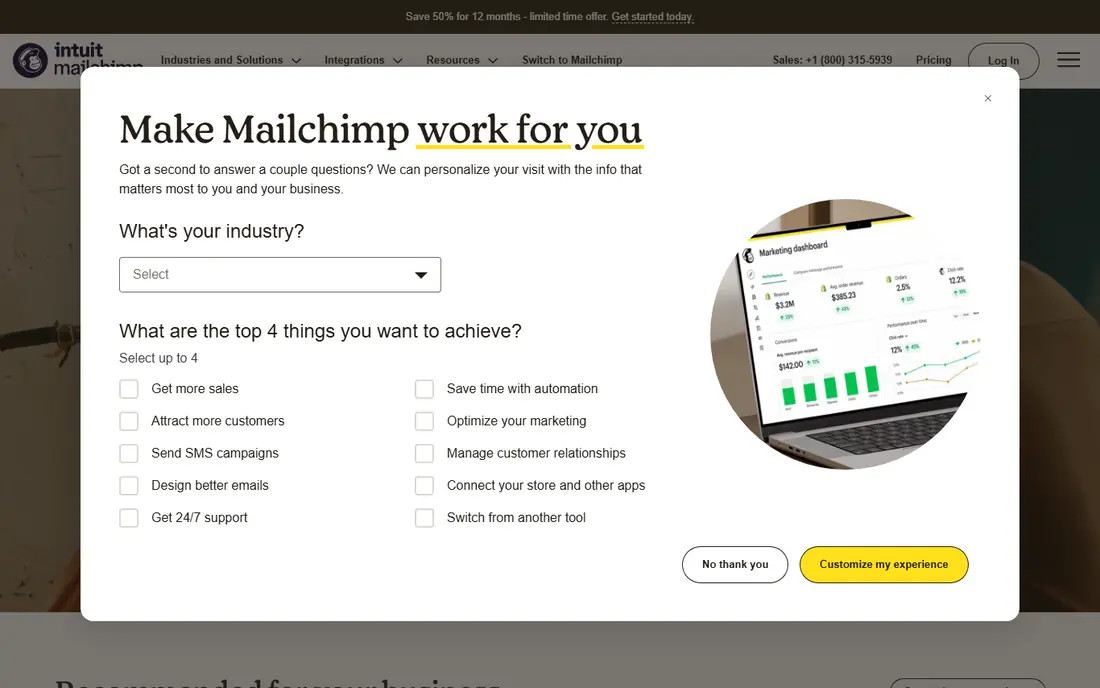
Mailchimp remains the best-known email platform, and its integration range is still hard to beat. It connects to most store, CRM and form tools, offers templates and audience segments, and its Essentials plan starts at $13 per month for 500 contacts. For buyers focused on small teams that want many integrations, this is a practical shortlist option, and it is worth comparing its core features, support and total price against at least one rival before you commit, because small differences in plan limits and fees add up over a year.
Watch contact-based billing closely, because unsubscribed contacts can still count unless archived, so clean your list regularly to avoid paying for people who cannot receive mail. If that trade-off fits your budget and workflow, Mailchimp is easy to recommend for its stated use. If it does not, the next option in this list may fit better, and a short trial or demo will usually reveal the difference faster than a feature sheet alone.
- Huge integration choice
- Solid templates
- Audience tools suit growing lists
- Free plan is now small at 250 contacts
- Costs rise steeply with contacts
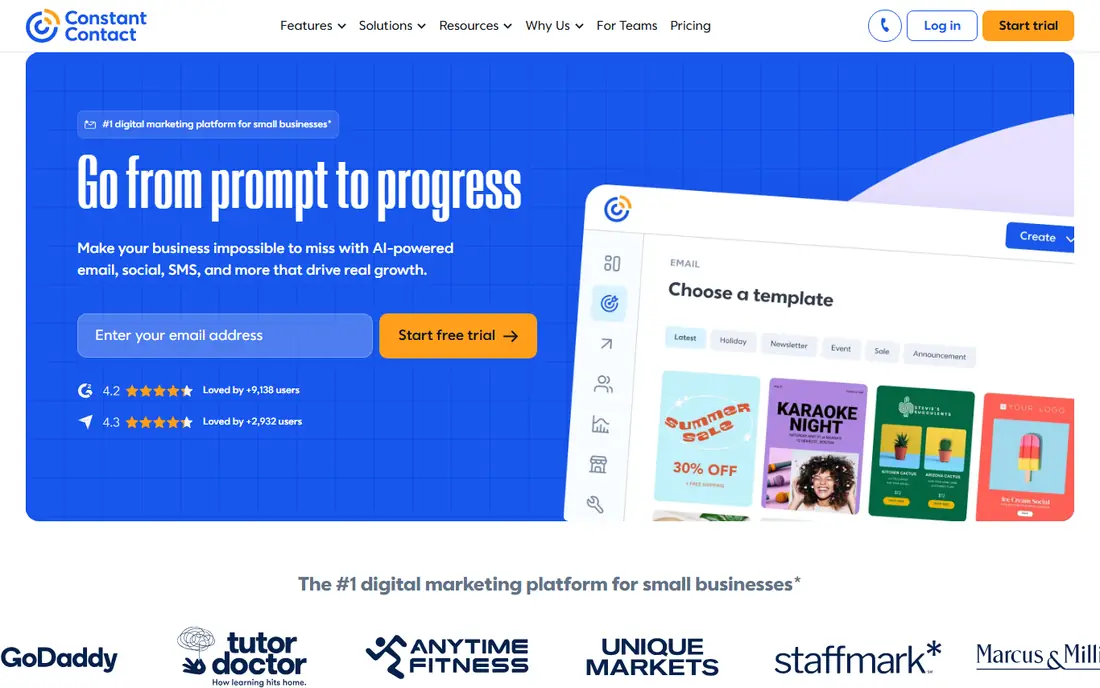
Constant Contact is the friendly option for owners who want to send a good newsletter without learning marketing jargon. Its editor, templates and event tools suit shops, clinics, schools and local groups, and support is a genuine selling point for non-technical users. For buyers focused on local businesses and event organisers, this is a practical shortlist option, and it is worth comparing its core features, support and total price against at least one rival before you commit, because small differences in plan limits and fees add up over a year.
Power users may miss deeper automation branches and ecommerce triggers, so test a welcome series and a segmented campaign during the trial. If that trade-off fits your budget and workflow, Constant Contact is easy to recommend for its stated use. If it does not, the next option in this list may fit better, and a short trial or demo will usually reveal the difference faster than a feature sheet alone.
- Very easy editor
- Event and social tools
- Good phone support reputation
- Automation is simpler than rivals
- Prices rise with list size
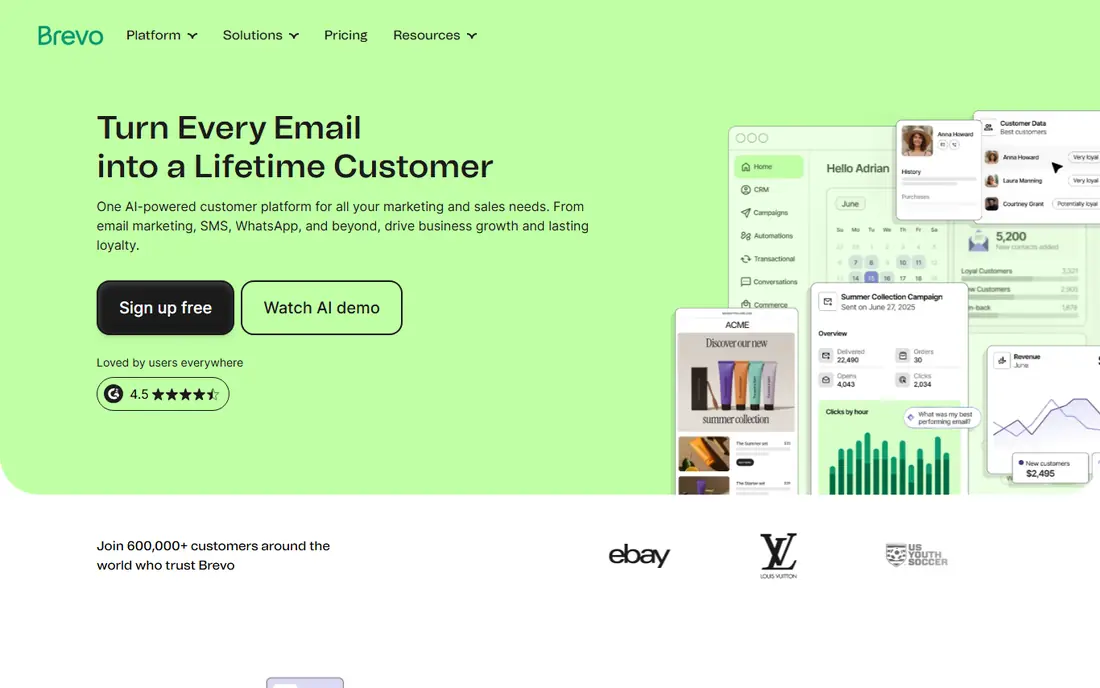
Brevo appeals to teams that dislike contact-based pricing, because paid plans are largely based on sends. Email, SMS, WhatsApp options and a basic CRM sit in one account, which suits small sales teams that also send newsletters. For buyers focused on businesses that want email plus sms and crm, this is a practical shortlist option, and it is worth comparing its core features, support and total price against at least one rival before you commit, because small differences in plan limits and fees add up over a year.
The free plan caps daily sends, so a large list may need a paid plan sooner than expected, and design lovers should test templates before switching. If that trade-off fits your budget and workflow, Brevo is easy to recommend for its stated use. If it does not, the next option in this list may fit better, and a short trial or demo will usually reveal the difference faster than a feature sheet alone.
- Free plan allows many contacts with daily send limit
- SMS and CRM included
- Pay by sends not contacts
- Free daily send cap is low for large campaigns
- Templates are plainer than some rivals
Kit, formerly ConvertKit, is built for creators who earn from an audience rather than a store catalogue. Newsletters, landing pages, automations and digital product sales sit together, and tagging makes it easy to send the right message to each subscriber group. For buyers focused on creators selling newsletters and products, this is a practical shortlist option, and it is worth comparing its core features, support and total price against at least one rival before you commit, because small differences in plan limits and fees add up over a year.
Store owners with complex product recommendations may prefer Klaviyo, while creators who only need broadcasts may find Kit more than they need. If that trade-off fits your budget and workflow, Kit is easy to recommend for its stated use. If it does not, the next option in this list may fit better, and a short trial or demo will usually reveal the difference faster than a feature sheet alone.
- Creator-focused automations
- Landing pages and digital products
- Clean subscriber tagging
- Costs rise with subscribers
- Ecommerce features are lighter than Klaviyo
ActiveCampaign is the automation pick for teams that want behaviour-based journeys rather than simple broadcasts. Its visual builder supports branching, scoring, site tracking and CRM deals, which helps service businesses follow leads from first click to sale. For buyers focused on teams that want deep automation and crm, this is a practical shortlist option, and it is worth comparing its core features, support and total price against at least one rival before you commit, because small differences in plan limits and fees add up over a year.
New users should start with two or three core automations, because building every possible journey at once leads to a tangle that is hard to maintain. If that trade-off fits your budget and workflow, ActiveCampaign is easy to recommend for its stated use. If it does not, the next option in this list may fit better, and a short trial or demo will usually reveal the difference faster than a feature sheet alone.
- Powerful automation builder
- CRM and sales tools
- Strong segmentation
- Learning curve is real
- Pricing can climb with contacts and features
Klaviyo is the ecommerce email specialist, and its flows show why stores stay with it. Purchase history, browsing and product data feed segments and flows for abandoned carts, welcome series, win-back and post-purchase messages. For buyers focused on ecommerce stores on shopify and similar platforms, this is a practical shortlist option, and it is worth comparing its core features, support and total price against at least one rival before you commit, because small differences in plan limits and fees add up over a year.
Non-sellers will pay for ecommerce depth they do not use, and profile-based pricing means list hygiene matters even more than with send-based tools. If that trade-off fits your budget and workflow, Klaviyo is easy to recommend for its stated use. If it does not, the next option in this list may fit better, and a short trial or demo will usually reveal the difference faster than a feature sheet alone.
- Deep ecommerce data and flows
- Strong segmentation
- Proven abandoned cart and post-purchase flows
- Costs rise fast with profiles
- Best value is tied to ecommerce use
MailerLite is the value pick for small lists that still want proper automation. Its editor is clean, landing pages and forms are included, and automation is available without jumping to an enterprise plan. For buyers focused on small teams and creators on a budget, this is a practical shortlist option, and it is worth comparing its core features, support and total price against at least one rival before you commit, because small differences in plan limits and fees add up over a year.
Stores needing deep product recommendations should compare Klaviyo, and new accounts should allow time for approval before a launch date. If that trade-off fits your budget and workflow, MailerLite is easy to recommend for its stated use. If it does not, the next option in this list may fit better, and a short trial or demo will usually reveal the difference faster than a feature sheet alone.
- Clean editor
- Fair pricing
- Landing pages and automation on lower plans
- Fewer advanced ecommerce features
- Approval process can delay first sends
GetResponse suits teams that run webinars and funnels alongside email. Landing pages, forms, automation templates and webinar hosting sit in one subscription, which reduces the number of tools a small marketing team must manage. For buyers focused on teams that want email, webinars and funnels, this is a practical shortlist option, and it is worth comparing its core features, support and total price against at least one rival before you commit, because small differences in plan limits and fees add up over a year.
Its interface packs in a lot, so take the trial to build one full funnel end to end before judging it on a single campaign screen. If that trade-off fits your budget and workflow, GetResponse is easy to recommend for its stated use. If it does not, the next option in this list may fit better, and a short trial or demo will usually reveal the difference faster than a feature sheet alone.
- Email plus webinars, landing pages and funnels
- Good automation templates
- Interface can feel crowded
- Best features sit on higher plans
How we picked these
We compared official product pages, pricing pages, feature lists and public documentation, plus app store listings and public user reviews where they helped explain support and usability. We favoured products that exist today, fit the topic clearly and publish enough detail to judge price and limits honestly. We did not claim hands-on testing, and we used See website where a vendor does not publish a clear starting price, so you can check the current figure before you buy.
How to compare email tools on total cost, not headline price
Start with your list size and growth plan, because contact-based tools such as Mailchimp get costly as lists grow, while send-based tools such as Brevo price differently. Count the automations you truly need, such as welcome, abandoned cart and win-back flows, and test them in a trial. Check deliverability basics, including authentication, list hygiene tools and spam checks, because a cheap tool that lands in spam is costly. Finally, confirm integrations with your store, CRM and forms, and export a test list to prove you can leave if needed. Start with a short trial or demo using your real data, because a polished sales page can hide slow setup or missing integrations. Ask about total annual cost, contract length and what happens if you pause or cancel, and get fee details in writing for quote-based tools. Check support hours and channels too, because a tool you cannot get help with during a busy week will cost more in time than it saves in subscription fees.
FAQ
Which email marketing software is best overall?
There is no single winner, because Mailchimp suits integration-heavy teams, Brevo suits send-based budgets, Klaviyo suits ecommerce, and Kit suits creators. Match the tool to list size, automation needs and sales channel.
What is the best email marketing platform for small businesses?
MailerLite and Constant Contact are strong for small businesses, thanks to easy editors and fair pricing. Brevo is also worth testing if you want email plus SMS and a basic CRM in one account.
How do email marketing tools compare on price?
Compare total cost at your list size, not the entry price. Mailchimp Essentials starts at $13 per month for 500 contacts, while other tools price by sends, subscribers or profiles, so model costs at 1,000, 5,000 and 10,000 contacts.
Do I need automation, or are broadcasts enough?
Broadcasts work for newsletters, but welcome, abandoned cart and post-purchase automations earn money while you sleep. Even two or three simple flows usually beat sending every message manually.
Can I switch email tools later?
Yes, most tools import contacts and templates, but automations and segments often need rebuilding. Export your list regularly, keep signup forms simple, and avoid locking key data into one tool.