Best E-Commerce Platforms for Customer Support in 2026: 9 Platforms Compared
Compare the best e-commerce platforms for customer support in 2026, from Gorgias and Zendesk to Freshdesk and Intercom, with pricing, tickets and store fit.
- Editor's choice
 Gorgias
Shopify stores
Starts at$10 per monthVisit gorgias.comFull review - Great alternative
 Zendesk
Large multi-channel teams
Starts at$19 per agent per monthVisit zendesk.comFull review - Also consider
 Freshdesk
Budget-friendly ticketing
Starts at$19 per agent per monthVisit freshdesk.comFull review
TL;DR:
- For online stores, the best support tool shows order, shipping and refund data inside the ticket, so agents do not switch tabs for every question.
- Gorgias is the most store-focused choice, while Zendesk and Freshdesk suit larger or more general support teams.
- Ticket-based pricing can beat seat-based pricing for small stores, but check ticket limits and AI charges before you commit.
- Live chat, email and social messages should land in one inbox, or customers will repeat themselves across channels.
- Test the Shopify, WooCommerce or BigCommerce integration with real orders before you pay for a year.
Quick comparison
| Tool | Best for | Starts at | Free plan? | |
|---|---|---|---|---|
| Gorgias | Shopify stores | $10 per month | Free trial | Visit |
| Zendesk | Large multi-channel teams | $19 per agent per month | Free trial | Visit |
| Freshdesk | Budget-friendly ticketing | $19 per agent per month | Free trial | Visit |
 Help Scout | Email-first small teams | $25 per user per month | Yes | Visit |
 Intercom | Chat-led brands and AI answers | $29 per seat per month | Free trial | Visit |
 HubSpot Service Hub | HubSpot CRM users | Free | Yes | Visit |
 Zoho Desk | Zoho users on a budget | $14 per agent per month | Yes | Visit |
 Kustomer | High-volume customer timelines | See website | No | Visit |
 Tidio | Small stores and live chat | Free | Yes | Visit |
The best e-commerce platforms for customer support
E-commerce support is mostly order questions, shipping updates, returns and refunds, repeated at volume. The tools below are judged on that work, not on generic ticketing alone. The best ones pull store data into the conversation, automate common answers and keep email, chat and social messages in one place.
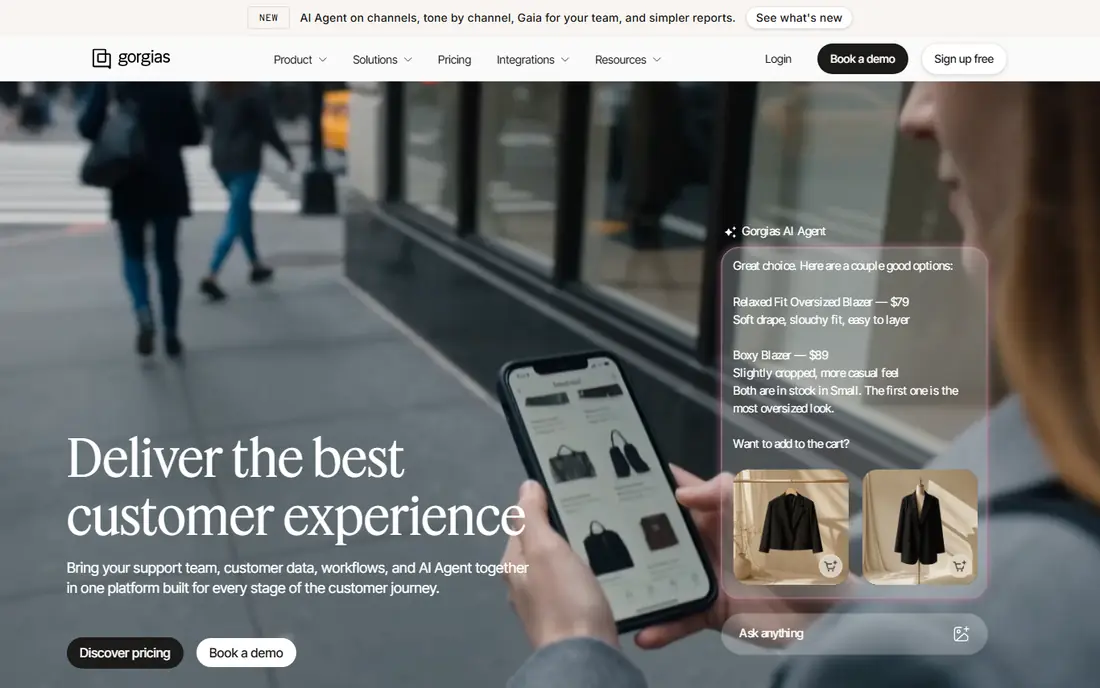
Gorgias is built for e-commerce, and that focus shows in daily use. Agents can see order history, edit orders, issue refunds and check shipping status without leaving the ticket. For Shopify and BigCommerce stores, that single view removes the tab-switching that slows down most support teams.
Pricing is ticket-based rather than seat-based, starting at $10 per month for 50 tickets. That can be excellent value for lean teams, but stores with high ticket volume need to model the next tier carefully. If your tickets are mostly order questions, Gorgias is our pick for most small and mid-sized stores.
- Native Shopify order actions inside tickets
- Ticket-based pricing
- Automation for common order questions
- Ticket limits on lower plans
- AI automation charges can add up
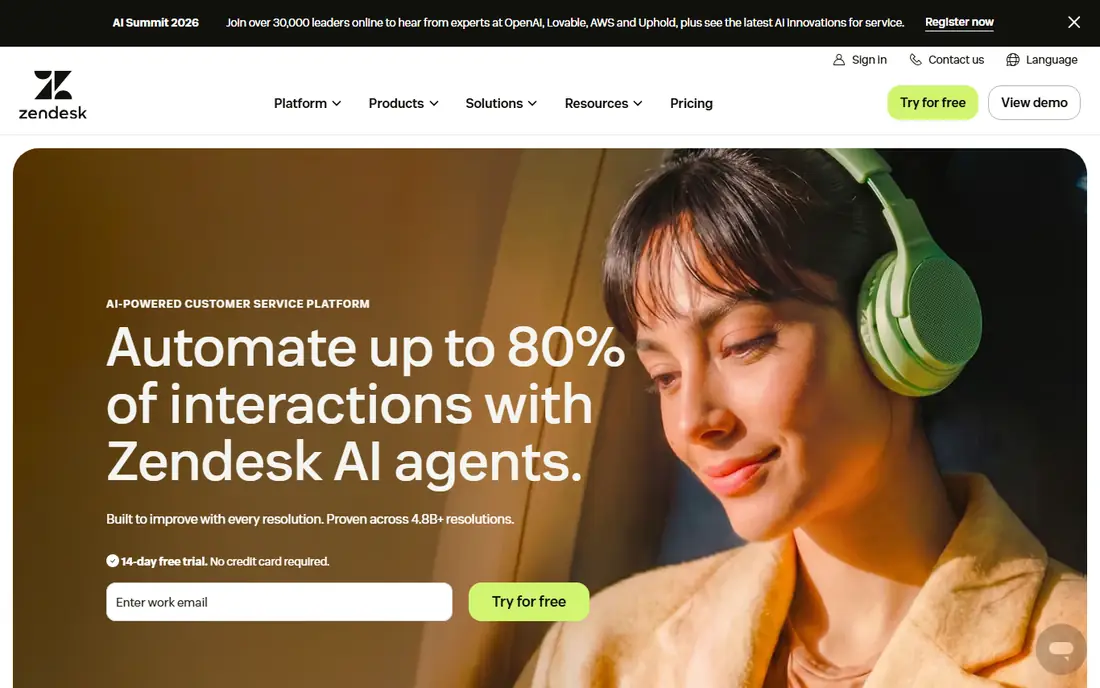
Zendesk is the most established help desk on this list, with ticketing, live chat, phone, social messaging and reporting in one suite. Larger stores benefit from its routing, macros, analytics and marketplace, which includes Shopify apps for order data. It scales from a small team to a large contact centre without a platform change.
The honest catch is cost creep. The entry price covers core support, while AI, copilot and quality features are add-ons. Small stores may find Zendesk more than they need. For growing brands that need structure, reporting and a deep integration library, it remains a safe long-term choice.
- Mature ticketing and reporting
- Huge app marketplace
- Strong automation and AI add-ons
- AI and advanced features add cost
- Setup can feel heavy for a tiny store
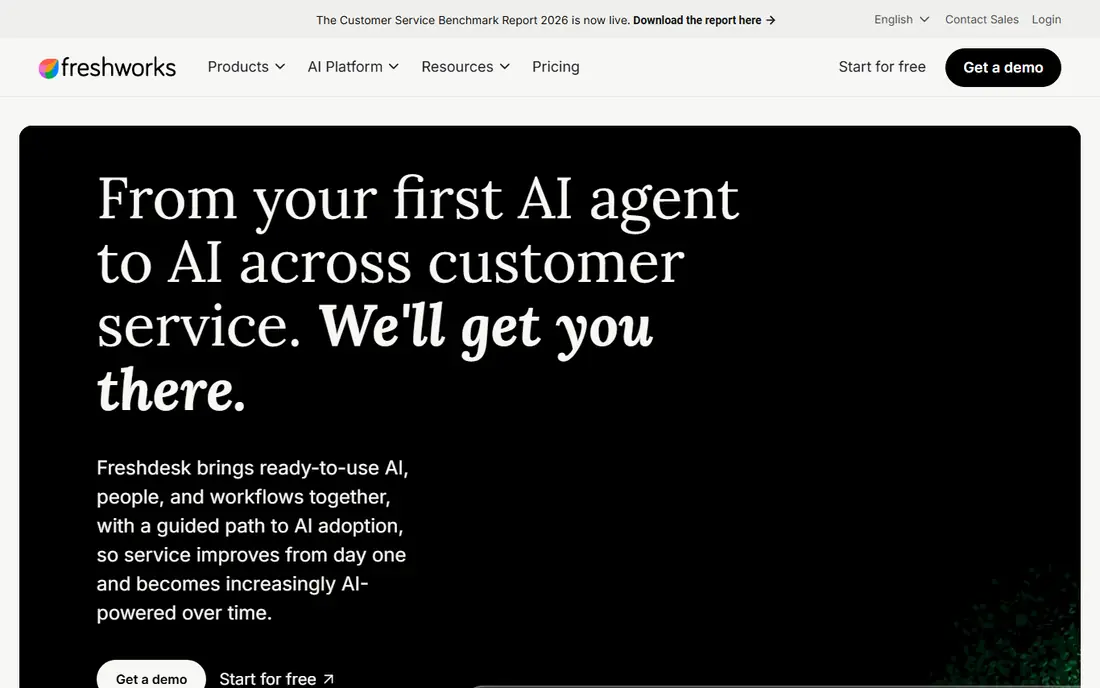
Freshdesk gives small and mid-sized stores a clean ticketing system without enterprise complexity. Email, chat, phone and social tickets land in one queue, agents can use canned replies and automations, and managers get basic reporting. Setup is quick, which matters for a store that needs help now, not after a long project.
Freshdesk is less store-native than Gorgias, so order actions may need an integration or app. That is fine for many stores, especially those that want a general help desk at a fair price. Check the tier carefully, because AI and advanced automation sit on higher plans.
- Fast setup
- Multichannel ticketing
- AI features on higher tiers
- E-commerce depth depends on integrations
- Some features need higher plans
Help Scout suits small e-commerce teams whose support is mostly email. The shared inbox feels like email, not a complex ticket system, so new agents learn it fast. A free plan for up to 5 users and 100 monthly contacts makes it easy to start, and the built-in docs tool helps deflect repeat questions.
High-volume chat teams or stores that need deep order automation may outgrow Help Scout. For a brand that values a personal, email-first tone and a simple setup, it is a strong and affordable choice.
- Simple shared inbox
- Free plan for up to 5 users
- Docs and knowledge base built in
- Less suited to very high-volume chat
- AI charges are per resolution on some plans
Intercom is best when most support happens in chat on your website or inside your app. Its messenger, AI agent and help centre work together to answer common questions instantly and hand harder cases to agents with context. For brands that want fast, chat-first service, that experience is hard to match.
Pricing needs attention, because seats are only part of the bill and AI resolutions carry their own charge. Stores with very high chat volume should model total cost, not just the seat price. If chat is your main channel and AI deflection matters, Intercom is worth the extra maths.
- Strong in-app and website messenger
- AI agent for instant answers
- Good product messaging tools
- AI resolutions are charged separately
- Seat plus AI costs need modelling
HubSpot Service Hub is a natural pick for stores already running HubSpot CRM. Tickets link to contacts, companies and deals, so agents see purchase and conversation history in one record. Free service tools cover basic ticketing and live chat for up to two users, which suits a very small store.
Larger stores will need paid seats, and some e-commerce actions still need an app or integration. If your business already lives in HubSpot, the shared customer record is a genuine advantage. If not, a store-native tool such as Gorgias may be simpler.
- Free tools for small teams
- CRM data inside tickets
- Knowledge base and chat tools
- Paid tiers rise with seats and hubs
- E-commerce actions need integrations
Zoho Desk is the budget play for teams that want a full help desk without a large monthly bill. It covers email, chat, phone and social tickets, with automation, knowledge base and reporting. The free edition for up to three agents makes it easy to test with a real queue.
Zoho Desk fits best inside the Zoho ecosystem, where CRM and inventory data are already connected. Standalone stores should check the integration for their platform before committing. For price-sensitive teams, it delivers a lot for $14 per agent per month.
- Low entry price
- Free edition for up to 3 agents
- AI assistant on higher tiers
- Interface feels busy to some users
- Store integrations vary by platform
Kustomer builds a single timeline for each customer, pulling together orders, conversations and events across channels. That view helps high-volume brands avoid repeat questions and spot patterns, such as a shipping problem affecting many orders. Automation and AI tools help route and resolve common cases at scale.
Kustomer is priced by quote and aimed at larger brands, so small stores will find it heavy. For a growing brand with high ticket volume and several channels, the unified timeline can be worth the investment and setup time.
- Unified customer timeline across channels
- Strong automation and AI tools
- Built for high-volume brands
- Quote-based pricing
- More setup than small-store tools
Tidio is a good starting point for a small store that mainly needs live chat and simple automation. Visitors can chat, get instant answers from a bot and reach a human when needed. Setup is quick, and the Shopify integration helps agents see basic order context.
Tidio is not a full enterprise help desk, and teams with complex ticketing, reporting or phone needs will outgrow it. For a new or small store that wants chat live this week, it is an affordable and friendly choice.
- Easy live chat and chatbots
- Free plan to start
- Simple Shopify integration
- Less of a full help desk than Zendesk or Freshdesk
- Higher tiers needed for advanced automation
How we picked these
We compared official pricing pages, product documentation and public reviews for support tools with real e-commerce use in 2026. We favoured tools with store integrations, multichannel inboxes, automation for order questions and clear pricing. We left out internal IT help desks with no store focus, and we used quoted pricing where vendors do not publish a list price.
What to check before you buy
Start with your top five ticket types, which for most stores are order status, shipping delays, returns, refunds and damaged items. Ask each vendor to show how an agent handles those tickets without leaving the tool. Check how order data appears, whether refunds can be processed in the ticket and how automation handles the easy cases.
Check channel coverage and response expectations. If customers message on Instagram, WhatsApp or SMS, those messages must land in the same inbox. Ask about AI charges, ticket limits and seat counts at your real volume, not at a demo volume. Finally, test the mobile experience for agents, because support does not stop when someone leaves a desk.
Setting up for fewer repeat tickets
Build a short help centre for shipping, returns and sizing, and link it from order emails and the checkout confirmation page. Use macros for the most common answers, but keep a human path obvious for refunds and damaged goods. Review ticket tags weekly at first, because the tags reveal which product or shipping issue needs fixing at the source.
FAQ
What is the best e-commerce platform for customer support for a Shopify store?
Gorgias is our pick for most Shopify stores, because order data and order actions sit inside the ticket. Zendesk and Freshdesk are strong alternatives if you need a more general help desk or plan to add phone and complex reporting. Test the Shopify integration with real orders before you choose.
Is ticket-based or seat-based pricing better for a small store?
Ticket-based pricing, as used by Gorgias, can be cheaper when a small team handles a moderate number of tickets. Seat-based pricing, as used by Zendesk and Freshdesk, is more predictable when ticket volume is high or agents handle many tickets each. Model both at your actual monthly ticket count.
Do I need live chat, or is email enough?
Email is enough for many small stores, but live chat helps at checkout and for shipping questions where a fast answer prevents a lost sale. Tidio and Intercom make chat easy to add, while Help Scout suits email-first teams. Offer chat during your busiest hours first, then expand if the volume justifies it.
Can AI answer e-commerce support questions safely?
AI can answer order status, shipping and return policy questions well when it has access to accurate order data. It should hand refunds, damaged goods and complaints to a human, and it should never invent tracking or refund details. Check how AI answers are sourced and how customers reach an agent.
How do I reduce support tickets for my store?
Clear shipping timelines, tracking links, return instructions and sizing guides on product and order pages cut the most common tickets. Send proactive updates when shipping is delayed, and make the return process visible before purchase. Review ticket reasons monthly and fix the top cause at the source.
Should support software connect to my CRM?
Yes, where possible, because a shared customer record avoids repeat questions and helps agents see past orders and issues. HubSpot Service Hub and Kustomer are strong here, while Gorgias and Zendesk connect through store and CRM apps. At minimum, agents should see order history inside the ticket.