Best Display Advertising Software in 2026: 9 Platforms Compared
Compare the best display advertising software and platforms for 2026, from DV360 and The Trade Desk to retargeting, native, and self-serve options today
- Editor's choice
 Google Display and Video 360
Google ecosystem and YouTube reach
Starts atSee websiteVisit marketingplatform.google.comFull review - Great alternative
 The Trade Desk
Independent omnichannel buying
Starts atSee websiteVisit thetradedesk.comFull review - Also consider
 Amazon DSP
Shopper data and retail media
Starts atSee websiteVisit advertising.amazon.comFull review
TL;DR:
- The best display advertising platforms are mostly demand-side platforms, where you buy ad space across thousands of sites and apps rather than one publisher at a time.
- DV360 and The Trade Desk lead for large budgets, while StackAdapt and AdRoll suit mid-size advertisers and smaller teams.
- Pricing is usually a percentage of media spend or a CPM, not a flat monthly plan, so budget minimums matter more than list prices.
- Retargeting specialists like Criteo still earn their place, but privacy changes mean first-party data and contextual targeting matter more than before.
- Creative quality, landing page fit, and frequency control often move results more than switching platforms.
Quick comparison
| Tool | Best for | Starts at | Free plan? | |
|---|---|---|---|---|
| Google Display and Video 360 | Google ecosystem and YouTube reach | See website | No | Visit |
| The Trade Desk | Independent omnichannel buying | See website | No | Visit |
| Amazon DSP | Shopper data and retail media | See website | No | Visit |
 StackAdapt | Mid-market self-serve programmatic | See website | No | Visit |
 Criteo | Retargeting and commerce media | See website | No | Visit |
 AdRoll | Small business retargeting and social | See website | No | Visit |
 Meta Ads | Social display and video ads | See website | No | Visit |
 Taboola | Native display and content discovery | See website | No | Visit |
 Yahoo DSP | Premium supply and omnichannel | See website | No | Visit |
The best display advertising software
These nine platforms cover the main routes to display ads, from enterprise programmatic buying to self-serve social and native formats.
Google Display and Video 360
Best for: Google ecosystem and YouTube reach
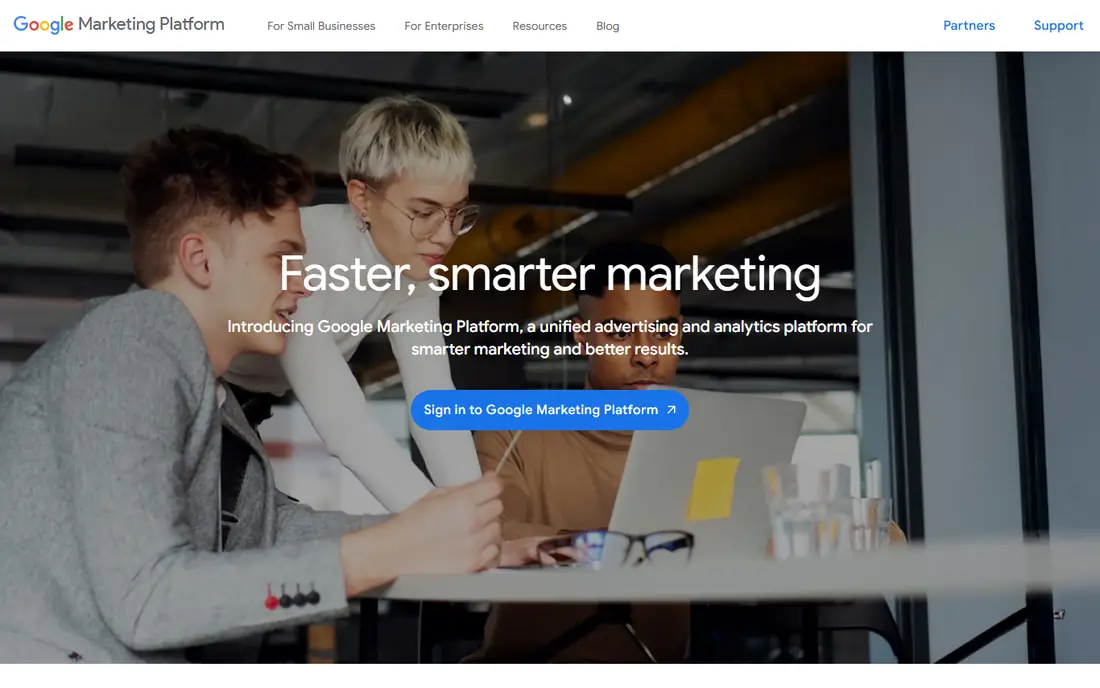
Display and Video 360, or DV360, is Google Marketing Platform's demand-side platform for buying display, video, audio, and connected TV ads. Its standout advantage is access to YouTube inventory alongside Google display inventory, plus integration with Google Analytics and Campaign Manager for measurement. Teams already invested in Google tools get a joined-up view of performance that independent platforms cannot fully match.
The downside is complexity and scale. DV360 is built for agencies and larger advertisers, with contracts and minimums that put it out of reach for small budgets. The interface also rewards trained buyers, so teams without programmatic experience should use an agency or a simpler platform first. For large Google-centered advertisers, it remains the default choice.
- Access to YouTube and Google inventory
- Deep Google Analytics integration
- Strong audience tools
- Complex for beginners
- Enterprise minimums and contracts
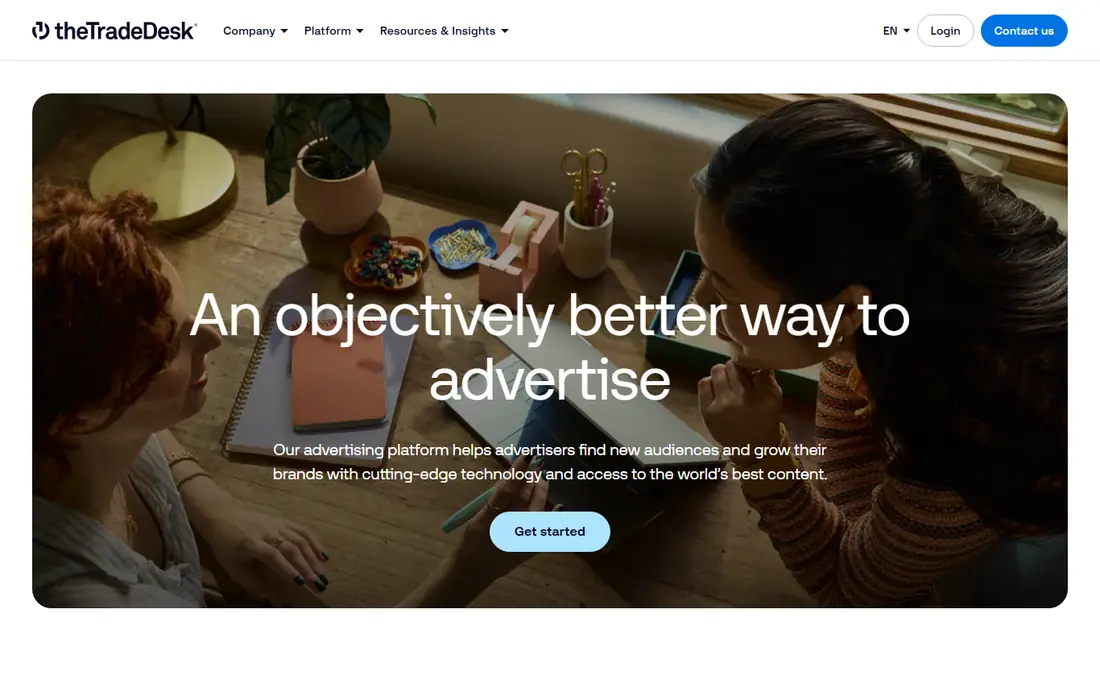
The Trade Desk is the leading independent demand-side platform, letting advertisers buy display, video, audio, and connected TV across the open internet. Its independence is the selling point: it is not tied to one publisher, so buyers can compare inventory across exchanges and use identity tools like Unified ID 2.0 for cookieless targeting. Connected TV buying is a particular strength.
Minimums are the barrier, with typical agency routes requiring 25,000 dollars or more per month in media spend. Small advertisers should not start here. Larger brands and agencies that want cross-channel reach outside walled gardens will find it one of the most capable platforms available.
- Independent, cross-channel buying
- Strong connected TV access
- Transparent reporting tools
- High minimums for most buyers
- No Google or Meta walled-garden inventory
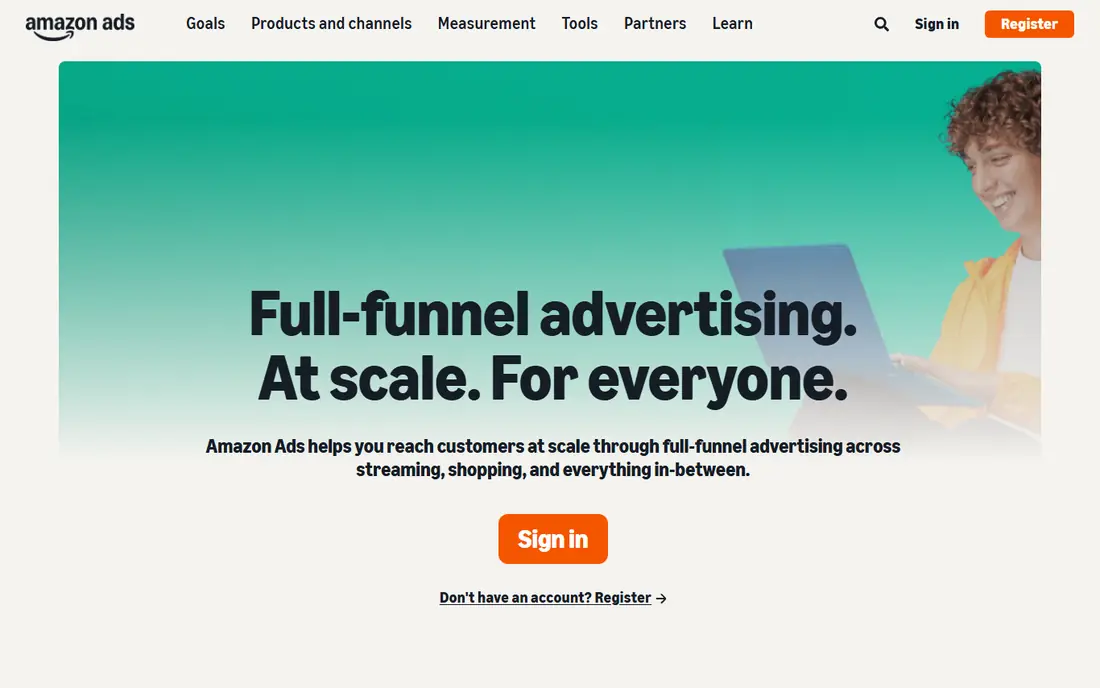
Amazon DSP lets advertisers use Amazon shopper data to target display and video ads on Amazon properties and across the web. That purchase-intent data is hard to match elsewhere, and access to Prime Video and Twitch inventory adds premium video reach. For brands that sell on Amazon, measurement can tie ads to sales in a way open-web platforms cannot.
Managed service minimums are high, often cited around 50,000 dollars, though self-serve routes exist for smaller budgets. Categories outside shopping, such as B2B services, get less value from Amazon data. E-commerce and consumer brands should evaluate it early. Others can safely start elsewhere.
- Amazon shopper and purchase data
- Access to Prime Video and Twitch inventory
- Retail measurement
- High minimums for managed service
- Weaker outside shopping categories
StackAdapt is our pick for mid-size advertisers and agencies that want a real DSP without enterprise minimums. It covers display, native, video, and connected TV in one self-serve interface, with contextual and first-party data targeting that suits the cookieless era. Minimums are commonly cited around 5,000 dollars per month, far below The Trade Desk or DV360 agency routes.
It is not as deep on global inventory as the largest platforms, and buyers still need to understand targeting, frequency, and creative testing to get good results. For teams moving up from social ads into programmatic display, StackAdapt offers the best balance of power and accessibility.
- Usable self-serve interface
- Native, display, video, and connected TV in one platform
- Lower minimums than enterprise DSPs
- Thinner international scale than the largest DSPs
- Still needs programmatic knowledge
Criteo built its name on retargeting, showing ads to people who visited a site or viewed a product, and it remains a major commerce media platform. Its network of retailer and publisher data helps advertisers reach shoppers with purchase intent, and its retail media tools let brands advertise on retailer sites themselves. For e-commerce advertisers, that commerce focus is a real advantage over general DSPs.
Privacy changes and cookie limits have reduced classic retargeting reach, so Criteo now leans more on first-party data and contextual signals. Pricing is quoted and tied to media spend. E-commerce teams should test it beside a general DSP, rather than assuming retargeting alone will carry a campaign.
- Large commerce data network
- Strong retargeting performance
- Retail media options
- Retargeting reach has shrunk with privacy changes
- Pricing is quoted
AdRoll suits small businesses and e-commerce stores that want retargeting without hiring a programmatic buyer. It connects to Shopify and other store platforms, builds audiences from site visitors, and runs display and social ads from one dashboard. Setup is far simpler than a full DSP, and pricing is more accessible, with media-based costs rather than large platform fees.
Scale and advanced targeting are thinner than on enterprise platforms, and larger advertisers will outgrow it. For a small store that wants to bring back cart abandoners and past visitors, AdRoll is a practical and affordable starting point.
- Simple setup for small teams
- Retargeting plus social ads
- E-commerce integrations
- Less scale than enterprise DSPs
- Advanced features sit on higher plans
Meta Ads, covering Facebook and Instagram, is the most accessible display advertising platform for most small businesses. There is no large minimum spend, targeting uses Meta's interest and behavior data, and the creative tools for image and video ads are built in. For many local and e-commerce advertisers, Meta delivers the cheapest reach per dollar, especially for visual products.
The limit is scope. Ads only run on Meta properties, so it cannot replace open-web display or connected TV buying. Results also depend heavily on creative quality and on first-party data from the Meta Pixel and Conversions API, which need proper setup. As one channel in a wider display mix, Meta is essential for most advertisers.
- Huge Facebook and Instagram reach
- Strong targeting and creative tools
- Low minimum spend
- Limited to Meta properties
- Performance depends heavily on creative and pixel data
Taboola runs native display ads, the recommended-content units seen at the end of articles on publisher sites. That format suits content marketing, lead generation, and e-commerce discovery, since ads blend with editorial recommendations rather than looking like banner ads. Pricing is typically pay per click, with no large platform fee, which makes testing affordable.
Traffic quality varies across publishers, so advertisers must monitor placements, block weak sources, and test landing pages carefully. Taboola works best when the landing page delivers real value, such as a useful article or a clear offer. For content-driven display campaigns, it deserves a test budget.
- Native placements on major publisher sites
- Pay-per-click model
- Good for content and lead campaigns
- Traffic quality varies by publisher
- Needs strong landing pages to convert
Yahoo DSP, formerly Verizon Media DSP, offers omnichannel programmatic buying across display, video, native, and connected TV, with access to Yahoo's own premium properties. Its AI optimization tools help smaller buying teams manage campaigns, and its supply includes well-known publisher inventory that brand advertisers value for safety.
Pricing is quoted, and open-web scale is smaller than The Trade Desk or DV360. Teams that value Yahoo inventory and brand-safe premium supply should include it in an evaluation. Teams that need the widest possible exchange reach may prefer a larger independent DSP.
- Yahoo premium inventory
- Omnichannel buying including connected TV
- AI optimization tools
- Quoted pricing
- Smaller open-web scale than the largest DSPs
How we picked these
We compared official product pages, vendor documentation, and public pricing information for display advertising platforms, keeping only tools that buy display inventory at scale in 2026. We required real campaign delivery, not just creative design or analytics, and we mixed enterprise DSPs with accessible self-serve and social options. We favored platforms with clear channel coverage and current cookieless targeting options, and we listed pricing as quoted where vendors charge by media spend rather than publishing a plan price.
How to choose display advertising software
Match the platform to your budget and your audience before worrying about advanced features.
Start from your monthly media budget
Under a few thousand dollars per month, Meta Ads, AdRoll, and Taboola are realistic. Around 5,000 dollars and up, StackAdapt opens up. Enterprise DSPs like The Trade Desk and DV360 make sense at 25,000 dollars and above, usually through an agency. Buying a platform you cannot afford to feed wastes both fees and learning time.
Check where your audience actually spends time
Social-first audiences suit Meta Ads. Shoppers suit Amazon DSP and Criteo. TV viewers suit The Trade Desk, StackAdapt, and Yahoo DSP for connected TV. Content readers suit Taboola. A platform can be excellent and still wrong for your audience.
Control creative, frequency, and landing pages
Set frequency caps so people do not see the same ad dozens of times, test several creative versions, and send clicks to pages that match the ad promise. Most display underperformance comes from these basics, not from the bidding algorithm.
FAQ
What is the best display advertising platform?
The Trade Desk and DV360 lead for large, omnichannel budgets, StackAdapt leads for mid-market self-serve buying, and Meta Ads leads for accessible social display. Amazon DSP leads for shopper data, while Criteo leads for commerce retargeting. The best platform depends on budget, audience, and channels.
What is the difference between a DSP and Google Ads?
Google Ads buys ads mainly on Google properties, including Search, YouTube, and the Google Display Network. A DSP buys across thousands of publisher sites, apps, and connected TV platforms through exchanges. If your audience lives mostly on Google, Google Ads is enough. For broader open-web and TV reach, you need a DSP.
How much does display advertising cost?
Most platforms charge by CPM, meaning cost per 1,000 impressions, with broad open-web display often running a few dollars per CPM and premium connected TV running much higher. Platform fees of roughly 10 to 20 percent of media spend are common on DSPs. Minimums range from none on Meta Ads to tens of thousands per month on enterprise DSPs.
Is display advertising still effective without third-party cookies?
Yes, but targeting has shifted toward first-party data, contextual targeting, and publisher and retailer data partnerships. Platforms like StackAdapt, The Trade Desk, and Criteo have built tools for this shift. Advertisers with strong first-party data and good creative perform better than those relying on old cookie-based retargeting alone.
Do small businesses need a DSP?
Most small businesses do not need a full DSP. Meta Ads, AdRoll, and Taboola cover social, retargeting, and native display at accessible budgets. A DSP becomes useful when spend grows, when connected TV matters, or when buying across many publishers in one place saves real time.