Best CRMs to Improve Customer Service in 2026: 8 Products Compared
Compare the best crm to improve customer service in 2026, with shared customer records, ticketing, automation, and pricing for each team compared reviewed.

- Editor's choice
 HubSpot Service Hub
CRM connected service
Starts atFreeVisit hubspot.comFull review - Great alternative
 Zendesk
Ticket workflows at scale
Starts at$19 per agent per monthVisit zendesk.comFull review - Also consider
 Freshdesk
Easy ticket management
Starts at$19 per agent per monthVisit freshdesk.comFull review
TL;DR:
- HubSpot and Salesforce give the deepest CRM link, while Zendesk and Freshdesk give the strongest ticket workflows.
- A shared customer record is the main win, since agents stop asking customers to repeat order and account details.
- Free tiers help small teams start, but full helpdesk features usually need a paid tier.
- Pick the CRM your sales and service teams will both use, or adoption will stall.
Quick comparison
| Tool | Best for | Starts at | Free plan? | |
|---|---|---|---|---|
| HubSpot Service Hub | CRM connected service | Free | Yes | Visit |
| Zendesk | Ticket workflows at scale | $19 per agent per month | Free trial | Visit |
| Freshdesk | Easy ticket management | $19 per agent per month | Yes | Visit |
 Salesforce Service Cloud | Salesforce enterprises | $25 per user per month | Free trial | Visit |
 Zoho Desk | Budget CRM service | $7 per user per month | Yes | Visit |
 Intercom | Chat led CRM service | $29 per seat per month | Free trial | Visit |
 Help Scout | Small teams wanting a simple inbox | Free | Yes | Visit |
 Kustomer | Customer timeline service | $89 per user per month | No | Visit |
The best crms to improve customer service
We compared CRMs and service platforms on shared customer records, ticket workflows, automation, and current pricing, using vendor pages, app listings, and public reviews.
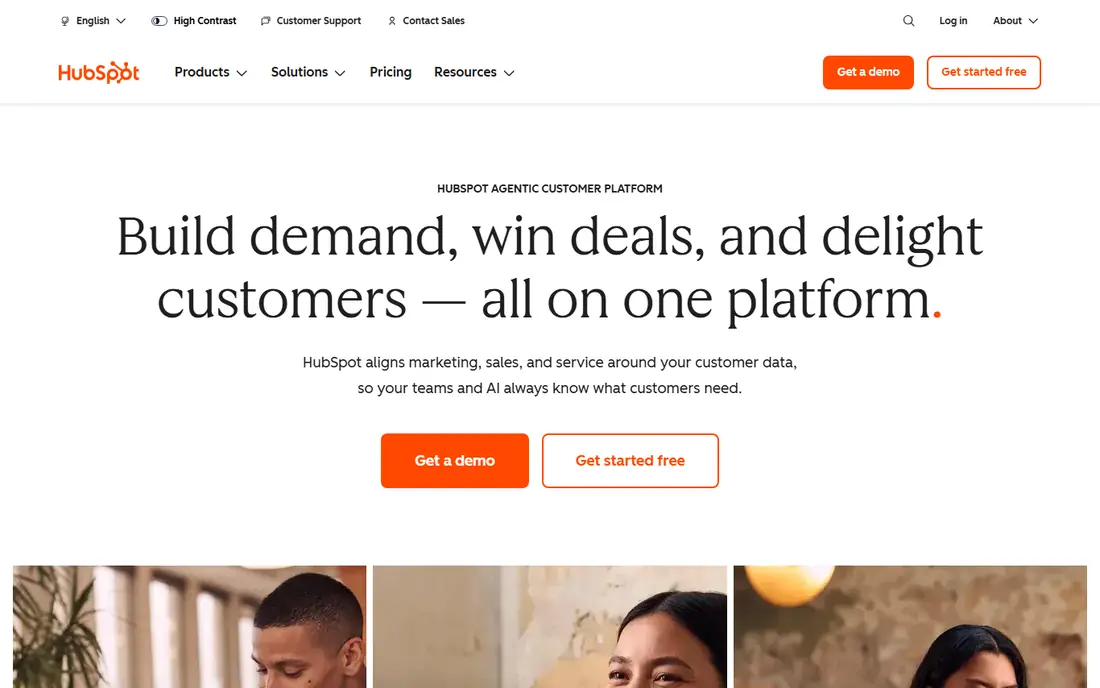
For teams already on HubSpot, HubSpot Service Hub is a practical starting point. HubSpot puts tickets beside contact, deal, and marketing records, so agents can see the full customer story in one place. HubSpot also offers a knowledge base, live chat, and customer feedback tools inside the same platform. The trade-off is the strongest helpdesk features sit on paid tiers, which raises the cost for small teams Check the plan limits before you commit, and run a short trial with real work so you can see whether the daily workflow fits your team.
- Free tools to start
- CRM records in tickets
- Automation and reporting
- Full helpdesk features need paid Professional tiers
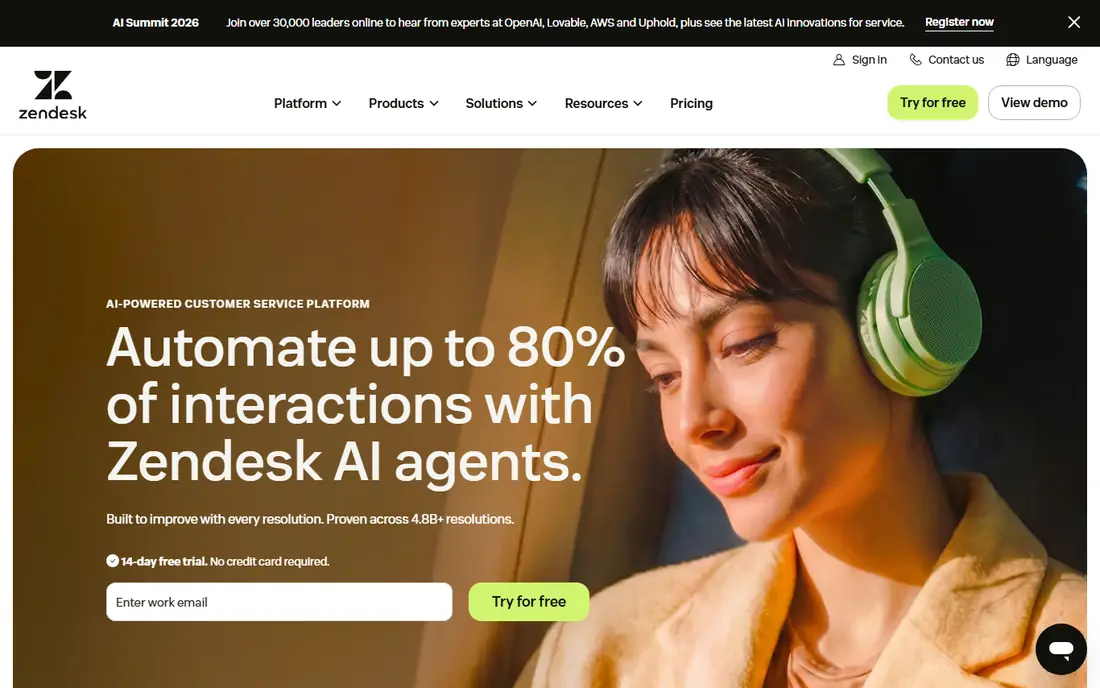
If you want ticket led service, Zendesk deserves a close look. Zendesk offers strong ticket routing, macros, and reporting, with chat, email, and social cases in one queue. Zendesk also offers a help center, AI agents, and workforce tools for larger operations. The trade-off is the full Suite starts at a higher price than the ticket-only plan, so check which tier you actually need Check the plan limits before you commit, and run a short trial with real work so you can see whether the daily workflow fits your team.
- Strong ticketing
- Omnichannel inbox
- AI agents and automation
- Suite pricing starts higher than the ticket-only plan
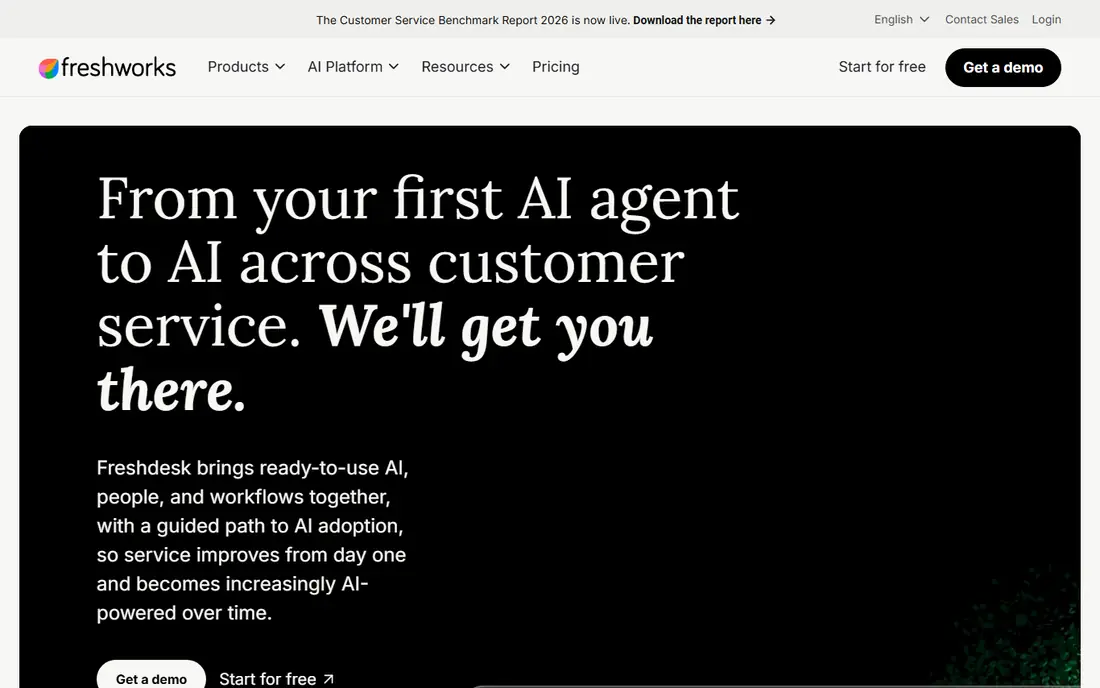
Owners who need easy ticketing will find Freshdesk a solid fit. Freshdesk is easy to set up, with ticket automation, canned replies, and collaboration tools for small teams. Freshdesk also links to Freshworks CRM and sales tools for teams that want a wider suite. The trade-off is some AI capacity is metered, and advanced reporting needs higher tiers Check the plan limits before you commit, and run a short trial with real work so you can see whether the daily workflow fits your team.
- Easy setup
- Automation rules
- Freddy AI on higher tiers
- Advanced AI sessions cost extra
Salesforce Service Cloud stands out for enterprise CRM service, and it suits large Salesforce shops. Service Cloud puts cases inside Salesforce, with routing, knowledge, and AI tools tied to customer records. Salesforce also offers Service Console, field service, and analytics for large service operations. The trade-off is setup is complex and pricing can rise with add-ons, so smaller teams may find it heavy Check the plan limits before you commit, and run a short trial with real work so you can see whether the daily workflow fits your team.
- Deep CRM integration
- Omnichannel routing
- Einstein AI tools
- Complex setup
- Costs rise with add-ons and users
When budget service CRM is the priority, Zoho Desk is worth shortlisting. Zoho Desk offers a low cost ticket system with a free tier for small teams and links to Zoho CRM. Zoho Desk also offers multi-channel tickets, automation, and reporting for growing teams. The trade-off is customisation can get complex, and some features need higher tiers Check the plan limits before you commit, and run a short trial with real work so you can see whether the daily workflow fits your team.
- Low price
- Free tier for small teams
- Zia AI assistant
- Setup complexity grows with customisation
A good match for digital teams that live in chat, Intercom keeps the setup simple. Intercom combines chat, inbox, and customer records, with Fin resolving routine questions before an agent steps in. Intercom also offers product tours, outbound messages, and a knowledge hub for self service. The trade-off is the combined seat and resolution pricing needs careful budgeting at high volume Check the plan limits before you commit, and run a short trial with real work so you can see whether the daily workflow fits your team.
- Fin AI agent
- Shared inbox
- Customer messaging
- Seat plus AI resolution fees can grow fast
Teams focused on simple shared inbox often land on Help Scout first. Help Scout feels like a shared email inbox, which makes it easy for tiny teams to learn and use daily. Help Scout also offers Docs for help articles and AI Answers for routine questions. The trade-off is reporting and customisation are lighter than on larger platforms, so complex teams may outgrow it Check the plan limits before you commit, and run a short trial with real work so you can see whether the daily workflow fits your team.
- Simple shared inbox
- Docs knowledge base
- AI Answers option
- Reporting and customisation are lighter than larger rivals
For a no-fuss route to timeline service, Kustomer is a strong option. Kustomer shows a full customer timeline in one view, so agents can see orders, chats, and tickets without switching screens. Kustomer also offers automation, AI insights, and omnichannel routing for larger service teams. The trade-off is the entry price is high, which puts it out of reach for very small teams Check the plan limits before you commit, and run a short trial with real work so you can see whether the daily workflow fits your team.
- Customer timeline view
- Workflow automation
- AI suggestions
- High entry price
- Best for mid-market teams
How we picked these
We compared official feature pages, pricing pages, app store listings, privacy policies, and public user reviews for each product, and we kept only products that are available and working in October 2026 and that truly fit the topic. Where a vendor did not publish a clear starting price, we wrote See website rather than guessing a number. We also weighed ease of setup, the cost of the plan most small buyers would actually start on, and whether the core features work without a long list of paid add-ons. Products that looked strong on paper but failed on basic fit, current availability, or clear pricing were left out. We also checked whether free plans and trials let a buyer test the core workflow before paying, and whether support is reachable by phone, chat, or email during business hours. A product that scored well on features but hid pricing, renewal terms, or support limits was marked down in our comparison.
Using a CRM to lift service quality
Put the customer record at the centre
The main service gain from a CRM is context, so check that tickets show order history, past chats, and account notes in one view. If agents still switch tools to find basic facts, the CRM is not doing its job. Test this with a real customer record during a trial.
Automate routine work, not judgment
Use automation for routing, status updates, and canned replies to common questions, and keep complaints and refunds under human review. Good automation cuts response time without making customers feel handled by a script. Review automation rules monthly as products and policies change.
Measure what customers feel
Track first response time, resolution time, reopen rate, and satisfaction scores, not just ticket counts. A CRM should make these numbers visible by team, channel, and issue type. Share the results with agents and fix the top three repeat issues first.
Before you buy, run a short trial with your real workload, invite the people who will use the tool daily, and note any friction in setup, billing, or support. A tool that feels easy in a demo can still slow a team down if daily tasks take extra clicks, so the trial is the best test of fit.
FAQ
What is a CRM for customer service?
It is a system that stores customer records, tickets, chats, and order history in one place, so agents can help without asking customers to repeat themselves. Many CRMs include ticketing, knowledge bases, and automation.
Do I need a CRM if I already have a helpdesk?
Not always. If your helpdesk already shows customer records well, a separate CRM may add little. A CRM helps most when sales, marketing, and service need the same customer view.
How much does a service CRM cost?
Free tiers exist, and paid plans commonly start around $7 to $29 per user per month, with enterprise plans much higher. AI features are often billed separately, so check those costs too.
Can a CRM reduce response times?
Yes, when agents can see context fast and automation routes tickets well. The gain depends on setup, data quality, and whether the team actually uses the system daily.
What should small teams start with?
Start with a free or low cost tier that covers tickets, a shared inbox, and basic reporting. Add automation and AI only after the basic workflow is steady and data is clean.