Best Content Marketing SEO Tools in 2026: 8 Tools Compared
We compare the best content marketing seo tools for 2026, from all-in-one suites to focused content optimizers, with pricing and practical buying advice.
- Editor's choice
 Semrush
All-in-one SEO and content research
Starts at$139 per monthVisit semrush.comFull review - Great alternative
 Ahrefs
Backlink and keyword research depth
Starts at$129 per monthVisit ahrefs.comFull review - Also consider
 Surfer SEO
Live content scoring for writers
Starts at$49 per monthVisit surfer.comFull review
TL;DR:
- All-in-one suites handle research and tracking, while optimizers handle scoring and briefs for each draft.
- Most content teams need one research tool plus one optimizer, not two tools doing the same job.
- Document and draft limits matter more than headline features on lower plans.
- Scores should guide editing, not replace judgment about readability and accuracy.
Quick comparison
| Tool | Best for | Starts at | Free plan? | |
|---|---|---|---|---|
| Semrush | All-in-one SEO and content research | $139 per month | Yes | Visit |
| Ahrefs | Backlink and keyword research depth | $129 per month | No | Visit |
| Surfer SEO | Live content scoring for writers | $49 per month | No | Visit |
 Clearscope | Simple grading for editorial teams | $129 per month | Free trial | Visit |
 Frase | Research briefs and content workflow | $39 per month | Free trial | Visit |
 MarketMuse | Site wide content strategy | See website | Yes | Visit |
 Moz Pro | Approachable all-in-one SEO | See website | Free trial | Visit |
 NeuronWriter | Budget content optimization | $23 per month | Free trial | Visit |
The best content marketing seo tools
Content marketing and SEO meet at the draft, and the tools here cover different parts of that work. Research suites find keywords and competitors, while optimizers score drafts against top ranking pages. We compared official pricing and feature pages to show where each tool earns its place, and where it overlaps with tools you may already pay for.
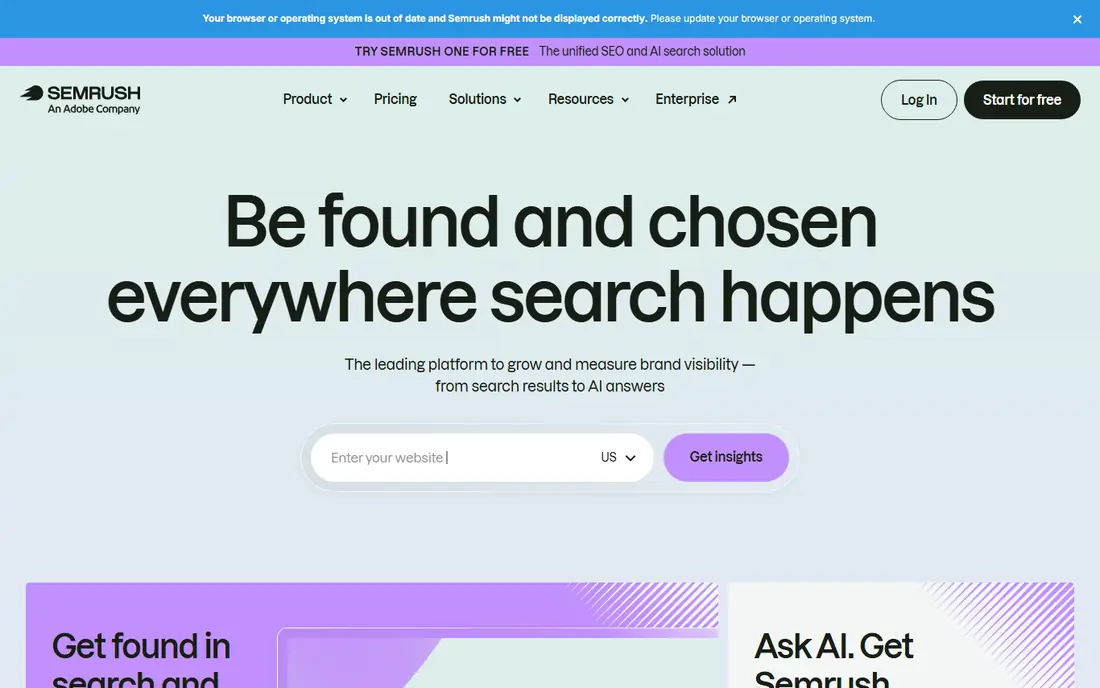
Semrush is the broadest tool on this list, covering keyword research, site audits, rank tracking, competitor analysis and content tools in one subscription. Content teams use the Keyword Magic Tool to find topics, then use content templates and optimization checks to shape drafts. That breadth suits teams that want one login for research, publishing checks and reporting.
The breadth is also the weakness. Lower plans limit some content features, and the interface can feel crowded for writers who only need a score and a brief. If you already pay for Ahrefs, adding Semrush may duplicate research. As a single suite, though, it is hard to beat.
- Large keyword and competitor database
- Content tools plus audits and rank tracking
- Free plan for basic checks
- Content optimization sits on pricier plans
- Interface holds a lot of tools to learn
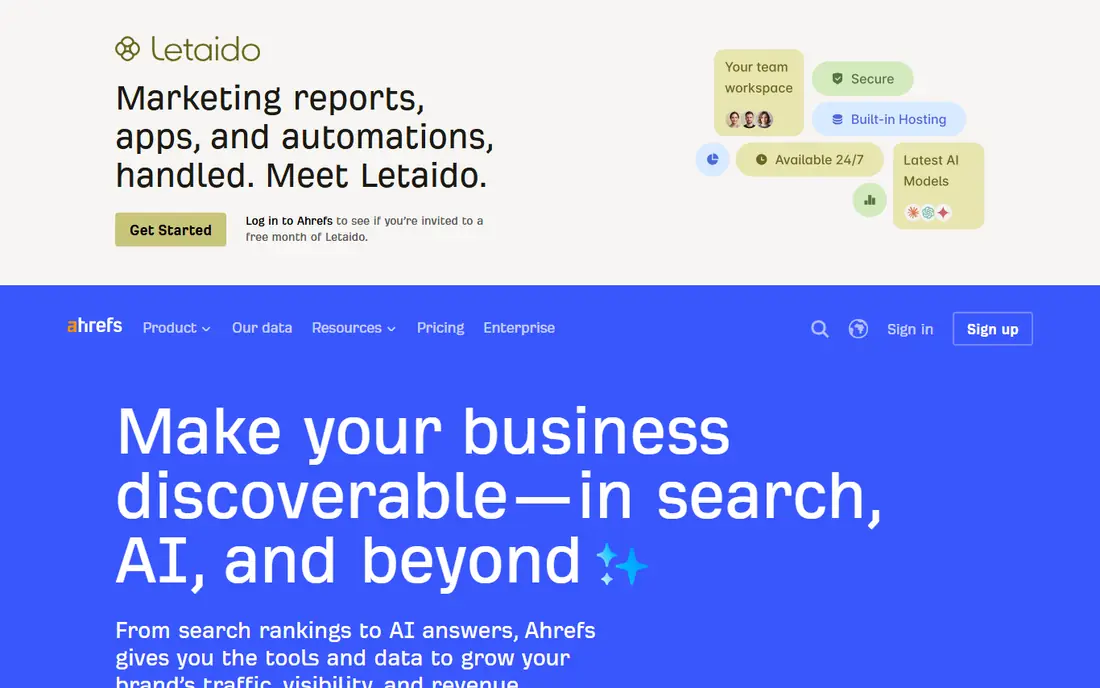
Ahrefs earns its place through data quality, especially backlinks, keyword difficulty and SERP history. Content marketers use it to judge whether a topic is winnable, which pages already rank, and which links competitors hold. That evidence helps teams pick topics with real traffic potential instead of guessing from volume alone.
Content scoring is not the core strength. Ahrefs AI Content Helper exists, but it is an add-on rather than the main product. Teams that want live draft scoring should pair Ahrefs with Surfer, Frase or Clearscope.
- Strong backlink index and SERP data
- Keywords Explorer with difficulty and traffic potential
- Site Audit for technical issues
- Content optimization is a separate add-on
- No free plan for full access
Surfer is the optimizer most writers learn fastest. Paste a draft into the Content Editor, watch the score move as you add terms and headings, and see which topics top pages cover. That feedback loop helps writers hit relevance without stuffing keywords. Audits show which published pages need refreshes.
Surfer does not replace a research suite. Strategy, backlink analysis and rank tracking are thinner here, and lower plans cap documents. Use it as the writing layer on top of Semrush or Ahrefs, not as your only SEO tool.
- Real time Content Score as you write
- Clear term and structure suggestions
- Audit tools for existing pages
- Document limits on lower plans
- Thin on strategy and backlink data
Clearscope gives each draft a letter grade based on relevance terms, and writers tend to understand that grade at a glance. Editorial leads like it because reports are consistent across many writers and freelancers, which keeps quality steady. Unlimited users on every plan helps agencies and large teams share access without per seat math.
The price is the hurdle for solo creators. Standard plans also limit drafts per month, so high volume teams need to check the tier that fits their output. For teams where clarity and consistency matter most, Clearscope earns its premium.
- Clear letter grades writers understand
- Unlimited users on every plan
- Reports are easy to share with freelancers
- Higher price for solo users
- Draft limits on standard plans
Frase starts with the brief, pulling questions, headings and stats from top ranking pages into a document writers can follow. That structure helps teams plan articles that answer real searcher questions, not just target a keyword. Scoring, drafting and publishing sit in the same workflow, which shortens the path from idea to published post.
Starter limits matter. One seat and a set number of articles per month suit solo creators, but growing teams will need a higher tier. Frase also lacks the backlink depth of Ahrefs or Semrush, so use it for briefs and optimization, not link research.
- Fast research briefs from top results
- Question mining for headings and FAQs
- Draft scoring plus publishing workflow
- Starter plan limits seats and articles
- Smaller backlink data than suites
MarketMuse thinks at site level rather than page level. It inventories your content, models topics, and shows where authority is strong and where gaps remain. Strategists use it to plan clusters, prioritize topics and brief writers with a clear view of what the site already covers.
The trade-off is access and learning time. Paid plans price by quote, and the free plan limits queries. Teams that only need a draft score will find it heavier than Surfer or Frase. Teams planning a large content program will value the strategy view.
- Topic modeling across your whole site
- Personalized difficulty and authority scores
- Strong brief types for strategy work
- Paid pricing by quote
- Slower to learn than a simple optimizer
Moz Pro suits marketers who want an all-in-one suite without a steep learning curve. Keyword research, site audits, rank tracking and link data sit in a clear interface, and Moz learning resources help newer SEOs understand the numbers. Small teams often find it easier to adopt than larger suites.
Specialized content optimizers beat Moz on live draft scoring and brief depth. Backlink and keyword data also trail the biggest indexes in some niches. As a friendly all-rounder, though, Moz remains a solid choice for teams starting out.
- Friendly interface for beginners
- Keyword research, audits and rank tracking
- Useful learning resources
- Data depth trails Ahrefs and Semrush in some areas
- Content optimization is less specialized
NeuronWriter gives solo creators and small agencies most of the optimizer value at a lower price. Content analyses suggest terms, headings and structure, and the workflow covers planning through optimization. For teams publishing a steady stream of posts on a tight budget, the price difference adds up fast.
The polish lags behind pricier rivals, and integrations are fewer. Support and onboarding also feel lighter than enterprise tools. If budget matters more than polish, NeuronWriter is the value pick on this list.
- Low entry price
- Content analysis with NLP terms
- Good value for solo creators and agencies
- Fewer integrations
- Interface feels rougher than Surfer or Clearscope
How we picked these
We compared official pricing and feature pages, and we favored tools that are actively sold and used for content marketing work. We weighed keyword research, brief quality, draft scoring, site strategy, tracking and price. We did not claim hands-on testing, and we left out writing-only tools with no SEO research or scoring features.
How to build a content SEO stack without waste
Pick one research source first
Semrush, Ahrefs or Moz should anchor research and tracking. Adding a second suite usually duplicates keyword and link data. Spend the saved budget on an optimizer instead.
Add one optimizer for drafting
Surfer, Clearscope, Frase or NeuronWriter should handle briefs and scores. Choose by team size and output volume, and check document limits against your real publishing pace. A low plan that caps drafts will frustrate writers quickly.
Use scores as a guide, not a target
A perfect score does not guarantee a good article. Readability, accuracy, original reporting and clear structure matter to readers and search engines alike. Use term suggestions to spot missing topics, then edit for humans first.
Plan clusters, not just single posts
MarketMuse and research suites help map related topics into clusters. A cluster plan shows which posts support a pillar page and where internal links should point. That planning beats publishing disconnected posts on similar keywords.
FAQ
What is the best SEO tool for content marketing?
Semrush is the best all-in-one starting point for most teams, since it covers research, audits and content tools. Pair it with Surfer or Frase for live draft scoring. Teams focused only on writing may start with an optimizer and add a suite later.
What is the best SEO tool for content marketing on a budget?
NeuronWriter and Frase offer the lowest entry prices among focused optimizers, while Semrush and Ahrefs offer free options for basic checks. Start with the tool that matches your publishing volume, and check document limits before committing to a year.
Is Surfer or Clearscope better for content teams?
Surfer suits writers who want live scoring and audits at a lower entry price. Clearscope suits editorial teams that want simple letter grades and unlimited users. Both work well, so team size and draft volume should decide the choice.
Do I need both Semrush and Ahrefs?
Most teams do not. Both cover keyword research, audits and tracking, so paying for both duplicates a lot of value. Pick one suite, then add a focused optimizer for drafting. Keep the second suite only if you need its specific data for client work.
How do content optimizers score a draft?
They compare your draft to top ranking pages for a keyword, looking at terms, headings, length and structure. The score shows relevance gaps, not quality in an absolute sense. Use it to find missing topics, then edit for clarity and accuracy.