Best Consumer Banking Companies for Security in 2026: 9 Banks Compared
We compared the best consumer banking companies security features for 2026, covering fraud alerts, card locks, biometrics, and FDIC insurance for safer banking.
- Editor's choice
 JPMorgan Chase
Large-bank security and branches
Starts atSee websiteVisit chase.comFull review - Great alternative
 Bank of America
Fraud monitoring at scale
Starts atSee websiteVisit bankofamerica.comFull review - Also consider
 Capital One
Digital security tools
Starts atSee websiteVisit capitalone.comFull review
TL;DR:
- Every bank on this list is FDIC insured, which protects deposits up to the legal limit per depositor, per bank, per ownership category.
- The strongest consumer banking security combines instant alerts, card locks, biometric sign-in, and two-factor authentication, not any single feature.
- Large banks invest heavily in fraud monitoring, while online banks often move faster on app controls such as virtual cards and instant locks.
- This is general information, not financial advice, and security features should be checked on the bank's own site before opening an account.
Quick comparison
| Tool | Best for | Starts at | Free plan? | |
|---|---|---|---|---|
| JPMorgan Chase | Large-bank security and branches | See website | No | Visit |
| Bank of America | Fraud monitoring at scale | See website | No | Visit |
| Capital One | Digital security tools | See website | No | Visit |
 Truist | Biometrics and card controls | See website | No | Visit |
 Wells Fargo | Wide branch and app controls | See website | No | Visit |
 U.S. Bank | Fraud alerts and card management | See website | No | Visit |
 PNC Bank | Security plus virtual wallet tools | See website | No | Visit |
 American Express National Bank | Online savings with strong controls | See website | No | Visit |
 SoFi | Online banking with fraud protection | See website | No | Visit |
The best consumer banking companies for security
We compared official security pages, published feature descriptions, and public safety rankings for consumer banks available to US customers. We focused on account protection tools a customer can actually use, such as alerts, locks, and authentication, plus institutional strength measures such as FDIC insurance and capital strength. This is general information, not financial advice.
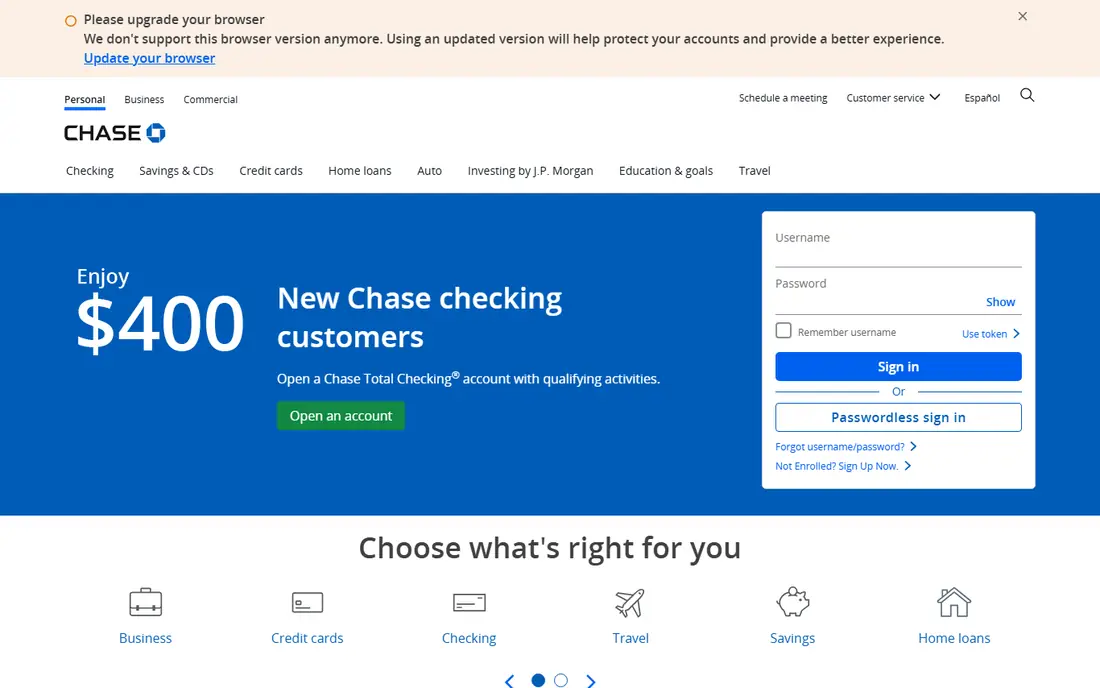
Chase is the pick for a consumer who wants the security resources of the largest US bank plus a branch nearby. Its size funds large fraud monitoring systems, and its app offers instant purchase alerts, card lock controls, and account activity monitoring that customers can check daily. For a household that values both digital tools and in-person help when something goes wrong, that combination is hard to match.
The honest caveat is that scale does not equal perfection. Chase has faced regulatory penalties in recent years, including fines tied to fees and customer information handling, which is a reminder to read account terms and monitor statements even at a large bank. Check the fee schedule for the specific checking account, since monthly fees vary and can often be waived by meeting balance or deposit conditions.
- Large-scale fraud monitoring
- Instant alerts and card locks
- Wide branch and ATM network
- Past regulatory fines show even large banks make mistakes
- Some accounts carry monthly fees that can be waived
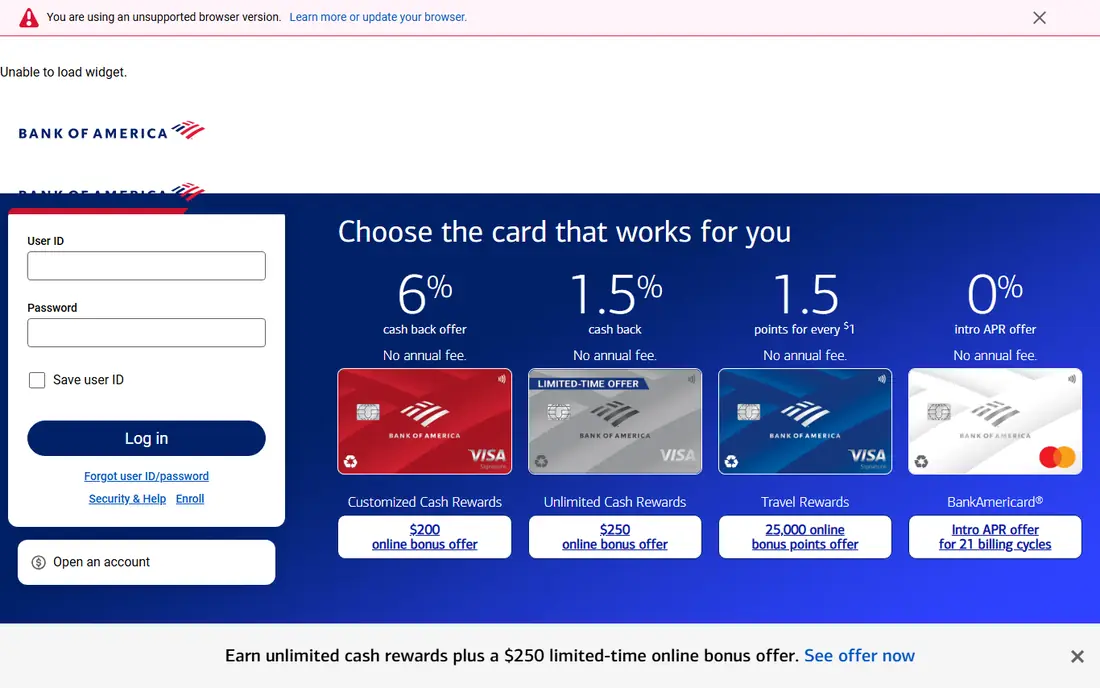
Bank of America earns a place for its scale, fraud monitoring, and zero liability protection on unauthorized transactions. As the second-largest US bank by assets, it holds a strong capital position, and its app provides alerts, card controls, and security settings that let customers react quickly to suspicious activity. A customer who spots a strange charge can lock a card and report it from the app without waiting for a branch to open.
As with Chase, the record is not spotless. Bank of America has paid large penalties in recent years tied to fees and the handling of sensitive customer information, so customers should still review statements and fee disclosures closely. The bank suits consumers who want a national branch network, strong monitoring, and the backing of a globally systemically important bank, with eyes open about fees.
- Zero liability protection for unauthorized transactions
- Fraud monitoring
- Strong capital position
- Large-bank fee schedules need careful reading
- Past fines tied to fees and data handling
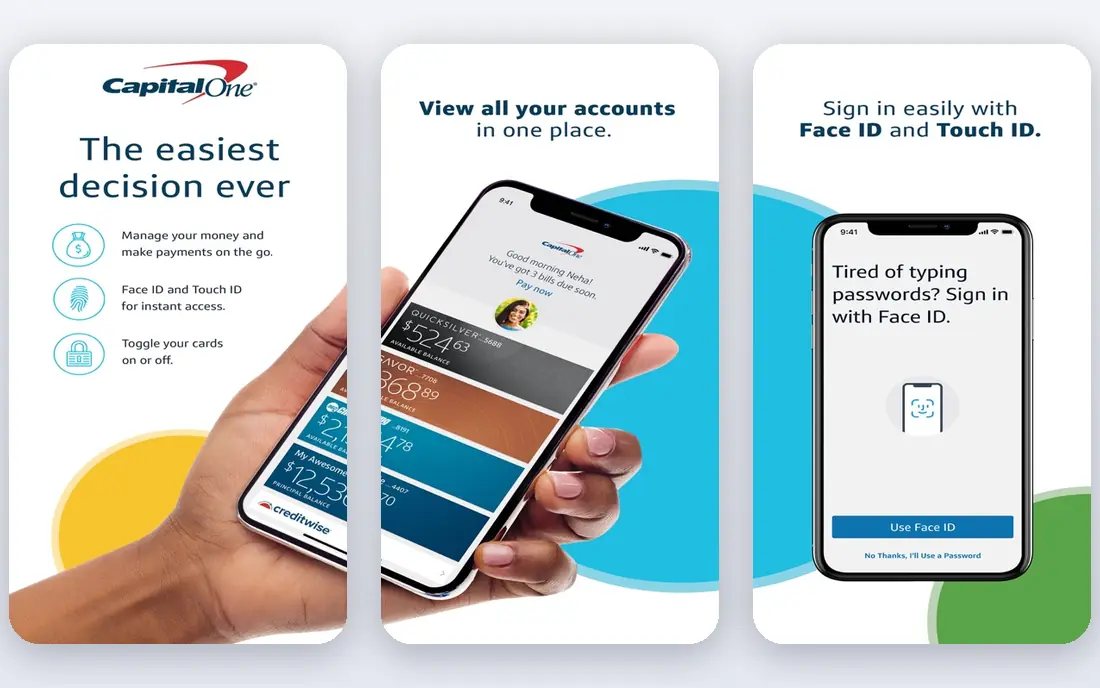
Capital One stands out for digital-first security tools. Its AI assistant Eno helps monitor transactions and keep accounts secure, while the app offers card locks, purchase notifications, and fraud detection that suit customers who manage money mainly on a phone. Safety rankings have also noted a high capital ratio relative to larger rivals, which supports its place on a security-focused list.
The history needs honest mention. Capital One paid a large settlement tied to a 2019 data breach, and an earlier fine tied to anti-money laundering controls, so its security story includes real failures as well as strong tools. For a digital-first customer who values app controls and alerts, it remains a strong pick, provided the customer uses two-factor authentication and reviews alerts promptly.
- High capital ratio reported in safety rankings
- AI assistant Eno monitors transactions
- Card lock and purchase alerts
- Past data breach settlement is a real black mark
- Some products are online-first with fewer branches
Truist, formed from the merger of SunTrust and BB&T, serves millions of clients across many states with a large branch network. Its security features include biometric sign-in, online alerts, and card controls, which cover the daily tools most consumers actually use. Safety rankings have noted a solid capital ratio and advanced fraud protection, which support its place here.
Customers should still check local details, since merger integration means some account terms and systems can vary. Truist has also paid fines tied to trust account handling and communication recordkeeping, which is worth knowing. For a consumer in its footprint who wants branches plus modern app security, Truist is a solid choice.
- Biometric sign-in and online alerts
- Card controls
- Large branch network across many states
- Merger history means some systems and fees still vary by legacy bank
- Past fines tied to trust and communications
Wells Fargo suits consumers who want a national bank with branches in most states and a full set of app security controls. Its mobile app offers transaction alerts, card management, and two-factor authentication options, while its scale supports fraud monitoring across millions of accounts. Customers who prefer to resolve a fraud issue in person as well as online will value the branch network.
The record demands candor. Wells Fargo has paid repeated large penalties over the past decade tied to consumer protection failures, more than most rivals on this list. That history does not erase its current security tools, but it does mean customers should read terms carefully, monitor accounts, and keep records of any dispute. Security here means using the tools well, not trusting the brand blindly.
- Large branch and ATM network
- App alerts, card controls, and two-factor options
- Long operating history
- Long record of consumer protection penalties
- Fee schedules vary by account and need checking
U.S. Bank is a steady pick for consumers who want a large national bank with practical security tools and branches. Its app offers transaction alerts, card lock and management features, and a security center that gathers settings in one place, which helps customers actually use the protections available. The bank's size and diversified business support a stable profile for everyday consumer banking.
It is less flashy than Capital One or SoFi on digital innovation, and some app features arrive later than at online-first rivals. For a customer who values a branch, a known brand, and solid controls over the newest app experiment, U.S. Bank fits well. As with any bank, confirm the fee schedule and the authentication options on the specific account before opening it.
- Real-time alerts and card controls
- Large national branch network
- Clear security center in the app
- Digital features trail the most app-focused rivals in some areas
- Account fees vary by product
PNC suits consumers who like to separate spending, reserve, and growth money inside one banking relationship. Its Virtual Wallet groups those buckets together, with alerts and card controls that help a customer spot unusual spending fast. The bank also offers biometric sign-in and two-factor options in its app, covering the basics that matter most for account security.
The main limit is geography. PNC has a large branch network, but it is concentrated in certain regions rather than covering every state, so customers outside its footprint will rely more on digital banking. For a customer inside that footprint who wants organized accounts plus solid security tools, PNC is a strong choice.
- Virtual Wallet spending controls
- Alerts and card locks
- Large branch network in many states
- Branch footprint is regional rather than national
- Some best features sit inside Virtual Wallet accounts
American Express National Bank
Best for: Online savings with strong controls
American Express National Bank is the pick for a consumer who mainly wants a safe online home for savings with strong controls and no branch visits. Its online savings and checking products are FDIC insured, and American Express brings a long fraud monitoring reputation from its card business into its banking products. Key accounts carry no monthly maintenance fees, which removes a common surprise.
The trade-off is the lack of branches and a narrower product range than a full-service bank. A customer who needs in-person help, business banking, or a wide loan menu should pair it with another bank or pick a full-service rival. For online savers who value fraud protection and simple fees, it is one of the safest online options available.
- FDIC insured online savings and checking options
- Strong fraud monitoring reputation
- No monthly maintenance fees on key accounts
- No branch network for in-person help
- Product range is narrower than full-service banks
SoFi suits a digital-first consumer who wants banking, saving, and investing tools in one app with fraud protection built in. Its banking products are FDIC insured, and its app offers instant alerts, card lock controls, and two-factor authentication, which cover the protections most customers need day to day. Core banking products carry no account fees, which simplifies the cost picture.
The limits are the online-only model and a shorter history than century-old rivals. A customer who wants branch help or a long-established bank may prefer Chase or U.S. Bank instead. For a phone-first customer who values alerts, controls, and fee simplicity, SoFi is a strong modern pick, and its inclusion in recent safest online bank roundups supports that view.
- FDIC insured banking products
- Strong app alerts and card controls
- No account fees on core banking products
- Online-only model means no branches
- Newer bank with a shorter history than legacy rivals
How we picked these
We compared official bank security pages, FDIC insurance status, published capital and safety rankings, and public reviews for consumer banks serving US customers. We favored FDIC insured banks with usable security tools, such as alerts, card locks, biometrics, and two-factor authentication, plus institutional strength. We did not audit any bank's internal systems, so findings rest on public pages, safety rankings, and published regulatory records. This is general information, not financial advice.
How to protect any bank account
Turn on every alert the bank offers, including purchase alerts, large transaction alerts, and sign-in alerts, and set them to arrive by push notification rather than email alone. Use a unique password with a password manager, turn on two-factor authentication with an authenticator app where offered, and use biometric sign-in on a phone. These steps cost nothing and block most common account takeover attempts.
Then build a weekly habit. Review transactions once a week, lock a card the moment it goes missing, and keep a record of any fraud report, including dates and reference numbers. Keep deposits within FDIC insurance limits per bank and ownership category, and split funds across banks if balances exceed those limits. A bank's tools help, but the customer's habits decide how fast a problem is caught.
What FDIC insurance does and does not cover
FDIC insurance protects deposits up to the legal limit per depositor, per insured bank, per ownership category if a bank fails. It does not protect against investment losses, and it does not cover fraud losses directly, although banks separately offer zero liability protections for unauthorized transactions. Check coverage on the FDIC's own estimator tool before assuming a large balance is fully covered.
FAQ
Which consumer banking companies have the best security?
Chase, Bank of America, and Capital One rank highly in recent safety roundups for a mix of fraud monitoring, app controls, and capital strength. Truist, U.S. Bank, and PNC offer strong branch-backed security, while American Express National Bank and SoFi lead among online banks. The best pick depends on whether branches, app tools, or fee simplicity matter most.
What are consumer banking companies with best security for online banking?
American Express National Bank, Capital One, and SoFi stand out for online banking security, with FDIC insurance, instant alerts, card locks, and two-factor authentication. Online banks often move faster on app controls, but they lack branches, so a customer who wants in-person help should weigh that trade-off.
Is my money safe if a bank fails?
Deposits at an FDIC insured bank are protected up to the legal limit per depositor, per bank, per ownership category. Most everyday balances sit well within that limit. Customers with large balances should check FDIC coverage rules and consider spreading funds across banks or ownership categories if needed.
What security features should I turn on first?
Turn on purchase alerts, sign-in alerts, card lock controls, biometric sign-in, and two-factor authentication. Use a unique password stored in a password manager, and review transactions weekly. These steps matter more than any single bank choice, since most account takeovers exploit weak passwords or missing alerts.
Does a bigger bank mean a safer bank?
Size helps fund fraud monitoring and supports capital strength, but it does not guarantee good conduct or low fees. Several large banks on this list have paid major penalties in recent years. Judge a bank by its FDIC status, its published security tools, its fee schedule, and your own experience with its support, not by size alone.
Is this financial advice?
No. This article is general information about bank security features, not financial advice, and it does not recommend any specific account for your situation. Check current terms, fees, and FDIC coverage on the bank's own site, and speak to a qualified financial professional for advice about your own money.