Best Construction Telematics Software in 2026: 8 Platforms Compared
We compared the best construction telematics software on GPS, engine data, safety, maintenance, and pricing for US contractors with mixed fleets and jobsites.

- Editor's choice
 Samsara
Vehicle heavy fleets and safety
Starts atSee websiteVisit samsara.comFull review - Great alternative
 Geotab
Vehicle diagnostics and open platform
Starts atSee websiteVisit geotab.comFull review - Also consider
 Motive
Safety cameras and compliance
Starts atSee websiteVisit gomotive.comFull review
TL;DR:
- The best construction telematics platform depends on whether the fleet is vehicle heavy, equipment heavy, or mixed.
- Samsara, Motive, and Geotab lead for vehicles and safety, while Tenna, Trackunit, and Clue lead for jobsite equipment.
- Most enterprise telematics pricing is quote based, with hardware costs and multi year terms common.
- Idle time, engine hours, and fault codes are the data points that save the most money for contractors.
Quick comparison
| Tool | Best for | Starts at | Free plan? | |
|---|---|---|---|---|
| Samsara | Vehicle heavy fleets and safety | See website | Free trial | Visit |
| Geotab | Vehicle diagnostics and open platform | See website | Free trial | Visit |
| Motive | Safety cameras and compliance | See website | Free trial | Visit |
 Tenna | Jobsite equipment and mixed fleets | See website | No | Visit |
 Trackunit | OEM equipment data at scale | See website | No | Visit |
 EquipmentShare T3 | Rental and owned fleet control | See website | No | Visit |
 Clue | Mixed brand fleets using OEM data | See website | No | Visit |
 Verizon Connect | Large fleets and dispatch | See website | No | Visit |
The best construction telematics software
We chose platforms that track location, engine hours, fault codes, and utilization for trucks and heavy equipment, with tools for maintenance and job costing. Each one below fits a different fleet mix.
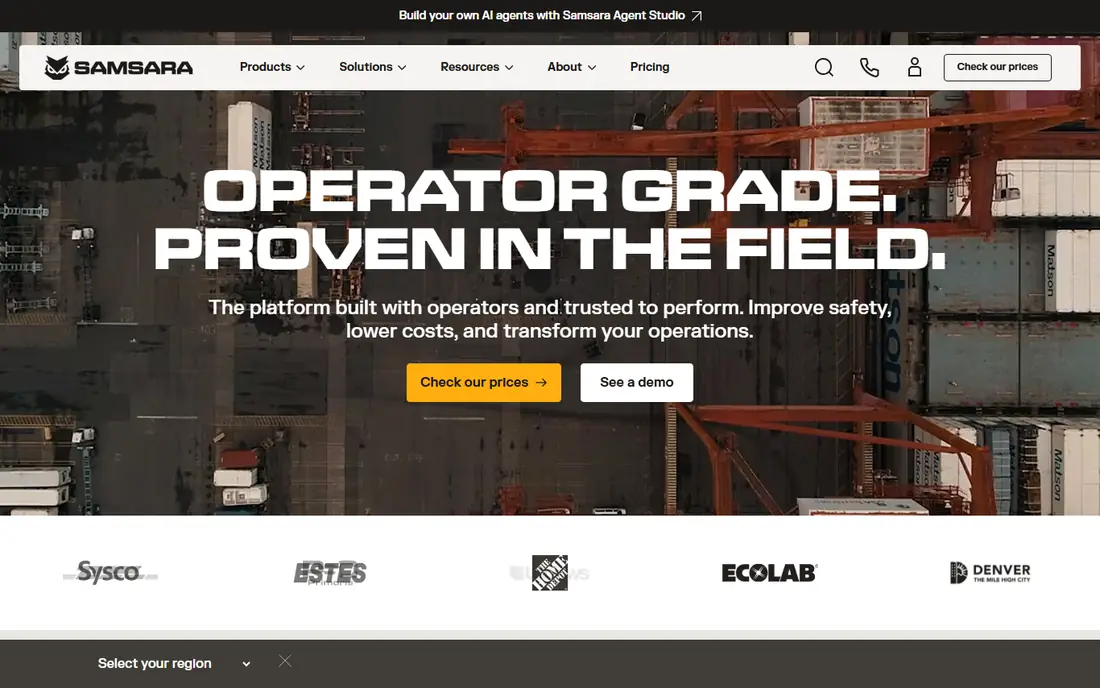
Samsara is the default choice when the fleet is mostly trucks and safety drives the purchase. Its AI dashcams flag harsh braking, speeding, and distracted driving, and clips feed into coaching workflows so managers review incidents instead of raw footage. GPS updates are frequent, and asset gateways extend tracking to powered equipment and trailers.
The catch is commercial, not technical. Samsara does not publish standard pricing, quotes run per vehicle per month with hardware on top, and three year terms are common. Smaller contractors may find the platform more than they need. Large fleets with mixed vehicles and equipment get a polished system with deep reporting, as long as the budget holds.
- AI dashcams and driver coaching
- Frequent GPS updates
- Asset gateways for equipment
- Quote based pricing
- Hardware costs on top
- Multi year terms are common
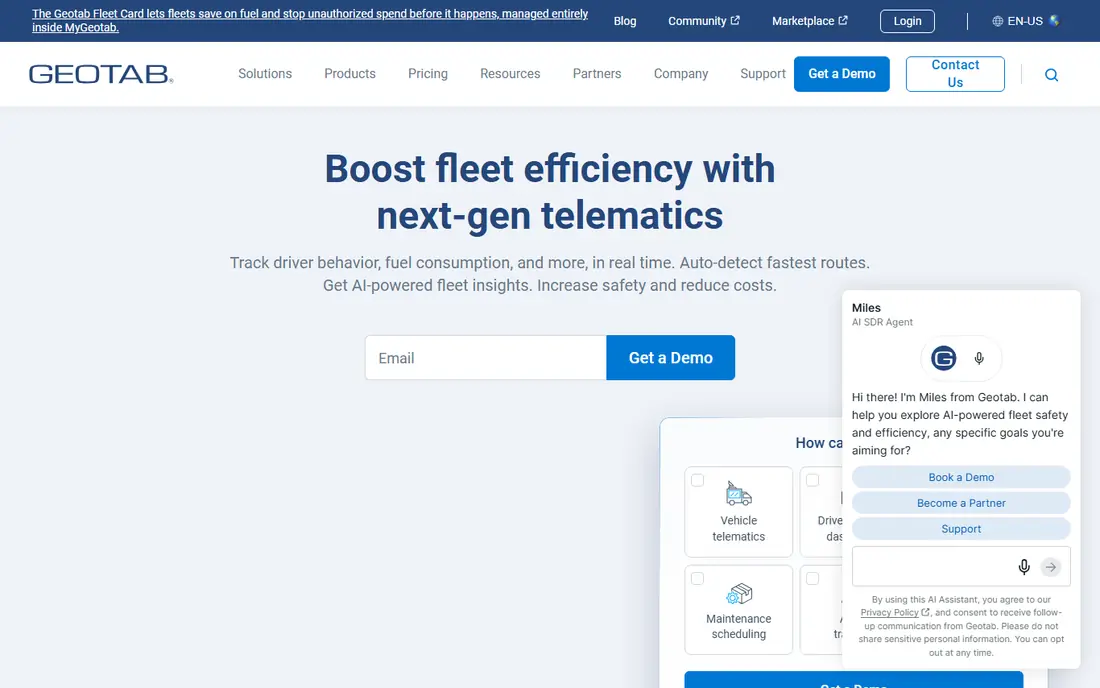
Geotab suits contractors that prioritize vehicle diagnostics and an open platform. Its GO device reports engine data, fault codes, trip history, idling, and driver behavior for trucks and service vehicles. An open API and marketplace let teams connect telematics data to maintenance, fuel, and accounting systems without being locked into one vendor workflow.
Geotab is primarily a vehicle device, so tracking unpowered attachments and heavy equipment often needs additional hardware or integrations. Pricing varies by reseller, with hardware often near 80 to 200 dollars and monthly fees commonly near 15 to 40 dollars per vehicle. For road going fleets, Geotab is a flexible, data rich choice.
- Deep vehicle diagnostics
- Open API and marketplace
- Strong for service trucks
- Hardware and monthly fees vary by reseller
- Equipment tracking needs add ons
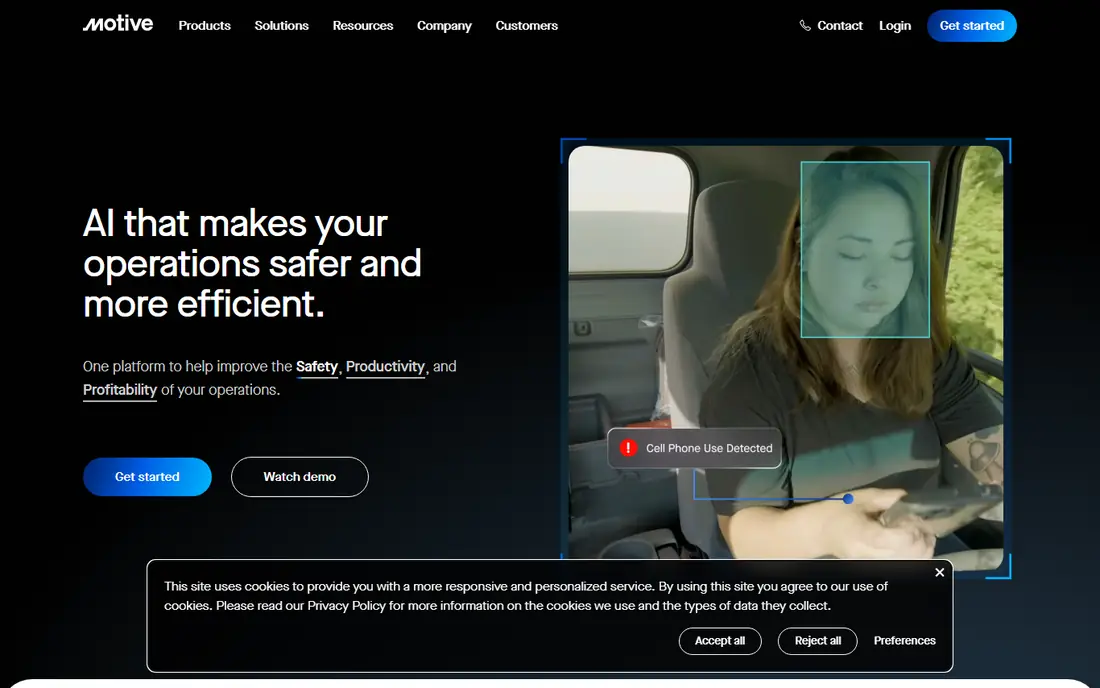
Motive, formerly KeepTruckin, is strong for fleets that need safety cameras, ELD compliance, and driver coaching in one system. Its AI dashcams detect risky driving, while compliance tools handle hours of service, vehicle inspections, and IFTA reporting. That combination suits contractors with regulated trucks and a safety team.
Motive is vehicle focused, so contractors whose main assets are excavators, loaders, and tools may need a second system for equipment. Pricing is quote based, with hardware and monthly fees varying by fleet size. For vehicle heavy construction fleets, Motive is a direct rival to Samsara and worth a side by side quote.
- AI dashcams
- ELD and compliance tools
- Good for regulated fleets
- Quote based pricing
- Vehicle focused, so equipment features are thinner than Tenna
Tenna was built around the jobsite, not the highway, which shows in its equipment focus. It tracks heavy equipment, vehicles, tools, and attachments in one view, with utilization, location, and maintenance data that help managers assign machines to jobs and schedule service. That mixed fleet view is valuable for contractors who own both trucks and iron.
Tenna has less vehicle safety camera depth than Samsara or Motive, so a fleet that needs AI dashcams may pair Tenna with a vehicle safety tool. Pricing is quote based, so contractors should ask for a total based on asset count and hardware type. For equipment heavy fleets, Tenna is a strong first choice.
- Built for construction equipment
- Mixed fleet view
- Maintenance and utilization tools
- Quote based pricing
- Less vehicle safety depth than Samsara or Motive
Trackunit fits large fleets that want deep equipment data from OEM systems. It connects to machine CAN data to report engine hours, fuel use, fault codes, and utilization across brands, with tools for maintenance and fleet management. Large rental companies and contractors with many machines use Trackunit to standardize data across a mixed fleet.
Small contractors may find Trackunit complex and expensive, because it is built for scale. Setup requires planning around which machines support OEM data and which need aftermarket trackers. For a large, equipment heavy fleet, the depth justifies the effort.
- Deep OEM CAN data
- Strong for large equipment fleets
- Global coverage
- Quote based pricing
- Setup can be complex for small fleets
EquipmentShare T3 combines telematics with fleet management for contractors and rental companies. It tracks owned and rented equipment, monitors utilization, and helps managers control costs across jobsites. That rental aware view is useful for contractors who mix owned machines with rented units during peak work.
T3 is less of a general vehicle safety platform than Samsara, so truck heavy fleets may need another tool for dashcams and compliance. Pricing is quote based, and the best value often comes for teams already using EquipmentShare rental or services. Contractors with a rental heavy fleet should compare T3 with Tenna and Trackunit.
- Built for rental and construction fleets
- Telematics plus fleet management
- Jobsite focused
- Quote based pricing
- Best value for teams already using EquipmentShare services
Clue takes a different approach: instead of selling new trackers, it connects to telematics systems already built into modern equipment from Caterpillar, Komatsu, John Deere, and other brands. It normalizes that data across brands and presents one fleet view, so a contractor can see utilization and maintenance needs without a hardware project.
That approach only works where OEM telematics exist and share data, so older machines still need aftermarket trackers. Before evaluating Clue, list your makes and models and confirm which are supported. For contractors running newer mixed brand fleets, Clue can save time and hardware cost.
- Pulls data from existing OEM telematics
- No new hardware to install for supported machines
- Unifies mixed brands
- Depends on OEM data availability by brand and model
- Quote based pricing
Verizon Connect suits large fleets that need GPS tracking, dispatch, routing, and compliance in one enterprise system. It handles many vehicles and assets, with tools for route planning, driver behavior, and maintenance scheduling. Its scale and carrier network help fleets that operate across regions.
Small contractors may find Verizon Connect heavy and quote based, with features they never use. Larger contractors with dispatch teams and many vehicles will value the routing and reporting depth. Compare Verizon Connect with Samsara and Geotab when vehicle dispatch is a core need.
- Large fleet scale
- Dispatch and routing tools
- Strong carrier network
- Quote based pricing
- Interface can feel enterprise heavy for small contractors
How we picked these
We compared official feature pages, pricing pages, and public comparisons of construction telematics software in 2026. We favored platforms that are currently available, support construction equipment or vehicles, and offer GPS, engine, and maintenance data. We excluded simple GPS trackers with no engine or utilization data, and consumer vehicle trackers with no fleet tools.
How to choose the right platform
Match the platform to your fleet mix first. If most assets are trucks, start with Samsara, Motive, Geotab, or Verizon Connect. If most assets are heavy equipment, start with Tenna, Trackunit, or EquipmentShare T3. If you run newer mixed brand machines, check Clue before buying new hardware. That single decision narrows the list faster than any feature comparison.
Next, measure idle time and utilization for one month before buying. An idle excavator can burn close to a gallon of diesel per hour while doing nothing, so even a small reduction in idle time can pay for telematics. Check which machines idle most, which fault codes repeat, and which jobs consistently run short of equipment. Use those findings to set a baseline, then judge the platform by whether utilization and maintenance costs improve.
Finally, get a total cost quote, not only a per asset price. Include hardware, installation, monthly fees, camera add ons, and contract length. Ask what happens if you exit early, whether hardware can be reused, and whether data can be exported. A three year contract with proprietary hardware is a long commitment, so test the platform on a subset of the fleet first.
Implementation tips
Start with 20 to 30 assets, not the whole fleet, and train one dispatcher and one mechanic on the dashboard. Set geofences for jobsites and yards, set maintenance alerts based on engine hours, and review utilization weekly for the first month. Fix the data issues that appear, such as machines with no signal or incorrect asset types, before rolling out to every asset.
FAQ
What is the best construction telematics platform for a small contractor?
For a small contractor, Tenna or a simple GPS plus engine tracker may fit best, because they focus on equipment without enterprise vehicle safety costs. Samsara and Motive suit small fleets only if safety cameras and compliance are core needs. Start with a small pilot, measure idle time, and expand only if the savings are clear.
How much does construction telematics software cost?
Most enterprise platforms are quote based, with monthly fees often near 15 to 40 dollars per vehicle for vehicle tools, plus hardware costs. Equipment telematics pricing varies by tracker type and asset count. Always ask for a total quote including hardware, installation, and contract terms, because headline per asset prices rarely tell the full story.
Can telematics track both vehicles and heavy equipment?
Yes, many platforms in this list track both, but depth varies. Samsara, Tenna, and Trackunit offer mixed fleet views, while Geotab and Motive are stronger on vehicles. Check whether the platform supports your specific equipment brands, engine data, and unpowered assets before committing.
Does telematics help with theft recovery?
Yes, GPS tracking and geofence alerts help locate stolen equipment quickly, which matters because construction theft costs the US industry over one billion dollars per year, with low recovery rates for untracked assets. Battery powered trackers for unpowered assets, plus alerts for movement outside hours, improve recovery chances. Telematics does not replace locks, yard security, and insurance, but it adds a strong layer of protection.
How do I use telematics data for job costing?
Link equipment hours and location to job codes, so each job carries its true equipment cost. Track idle versus working hours by job, and use that data to bid future jobs more accurately. Over time, utilization data also shows which machines to keep, sell, or rent, which improves fleet decisions beyond a single project.