Best Companies to Approach for Sponsorship in 2026: 8 Companies Compared
Best companies to approach for sponsorship, from sport and events to creators and causes, with notes on what each brand funds and how to pitch it well.
- Editor's choice
 Coca-Cola
Events and community programs
Starts atSee websiteVisit coca-colacompany.comFull review - Great alternative
 Nike
Athletes and sports events
Starts atSee websiteVisit nike.comFull review - Also consider
 Red Bull
Extreme sports and creators
Starts atSee websiteVisit redbull.comFull review
TL;DR:
- The best sponsor is the brand whose customers already attend, watch, or care about what you do, not simply the biggest brand you can name.
- Sports, events, creators, and community causes need different sponsors, so shortlist by audience fit before you send a single pitch.
- Most large brands route sponsorship through a form or agency, so a short, specific proposal beats a long generic letter.
- Our pick for most applicants is Coca-Cola, for its long history of funding events, teams, and community programs at many sizes.
Quick comparison
| Tool | Best for | Starts at | Free plan? | |
|---|---|---|---|---|
| Coca-Cola | Events and community programs | See website | No | Visit |
| Nike | Athletes and sports events | See website | No | Visit |
| Red Bull | Extreme sports and creators | See website | No | Visit |
 Adidas | Sports teams and tournaments | See website | No | Visit |
 PepsiCo | Music, sports, and food events | See website | No | Visit |
 Visa | Large events and sports properties | See website | No | Visit |
 Bank of America | Arts, culture, and community causes | See website | No | Visit |
 Google | Creators, tech, and education events | See website | No | Visit |
The best companies to approach for sponsorship
Note on pricing: these companies are sponsors, not products you buy. Pricing does not apply here, since the money flows from the brand to the event, athlete, creator, or cause. The table uses See website because each brand publishes its own sponsorship route and criteria.
Coca-Cola has sponsored the Olympic Games for decades and backs sports, music, food, and community events around the world. That breadth makes it a sensible first approach for many organizers, from a city festival to a youth sports tournament. Local bottling partners also matter, since a local bottler may support a community event that the global office would never review directly.
The downside is volume. Coca-Cola receives far more requests than it can fund, and a pitch needs a clear audience, a realistic attendance or reach figure, and a clean fit with the brand. Do not lead with logo size. Lead with who will attend, what they will experience, and why Coca-Cola belongs there.
- Sponsors events at global and local scale
- Long track record with sports and community programs
- Local bottlers can fund smaller events
- Large brand with heavy competition for funds
- Proposals must fit strict brand and health guidelines
Nike built its name on athlete endorsements, from Michael Jordan onward, and it still sponsors athletes, teams, races, and training communities. For a sports event or an athlete with a real audience, Nike is one of the most credible brands to approach. Support can include product, gear for participants, and promotion, not only cash.
Nike is a poor fit for a general business conference or a charity gala with no sport link. Its sponsorship choices follow sport culture closely, so a pitch should show performance, participation, or community sport, not just exposure. Grassroots running clubs and youth programs have a better path than a one-off event with no sport story.
- Deep athlete and team sponsorship history
- Strong appeal for running, basketball, and training events
- Product support as well as cash
- Focused on sport, so non-sport pitches fit poorly
- Elite athlete deals are out of reach for most applicants
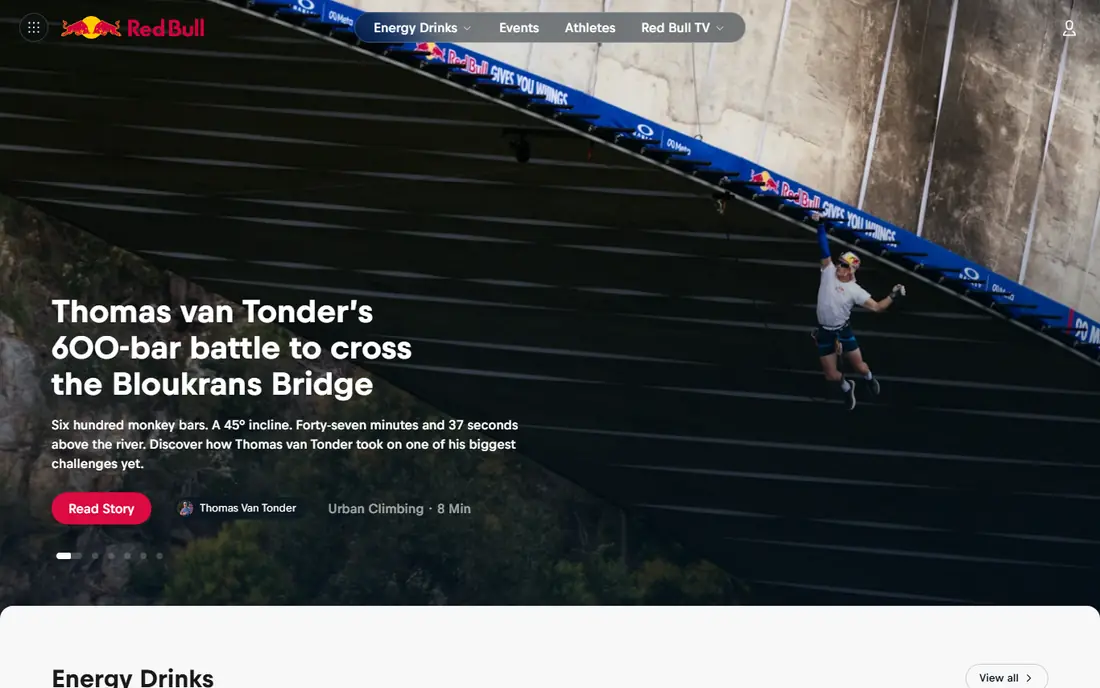
Red Bull sponsors extreme sports athletes, runs its own events such as Rampage, and backs creators in gaming, music, and adventure. It is one of the few large brands that funds ideas because they are bold and filmable, not because they are safe. If your event involves action sport, adventure, gaming, or youth culture, Red Bull deserves a place on the shortlist.
The brand filter is strict in a different way. A quiet corporate event or a traditional fundraiser will not fit, no matter how worthy. Your pitch should show the story, the footage, and the audience in Red Bull terms, and it should explain why the event could only work with a brand that backs risk-taking.
- Owns and sponsors distinctive events and athletes
- Open to creators and unusual ideas
- Strong media and content support
- Brand style is narrow, built around energy and adventure
- Many pitches fail on fit, not quality
Adidas has supplied match balls for the FIFA World Cup since 1970 and sponsors teams, athletes, and tournaments across football, running, and training. For a team, club, or tournament, Adidas can offer kit, product, and cash, and its brand carries weight with players and fans. Running events and football programs are especially natural fits.
Like Nike, Adidas concentrates on sport, and a pitch without a sport audience will struggle. Team sponsorship also involves kit deals, exclusivity, and multi-year terms, so read the conditions before you promise your players or fans a particular brand. A local club should approach through local Adidas channels rather than the global office.
- Long history with football, running, and major tournaments
- Team kit and product support
- Global and local programs
- Competes directly with Nike for the same properties
- Local club support varies by country and sport
PepsiCo owns Pepsi, Gatorade, Lay's, Doritos, and other brands, which gives an organizer several doors to knock on. Gatorade fits sports science and athlete hydration, Pepsi fits music and entertainment, and snack brands fit festivals, gaming, and food events. That range is useful when one brand says no but a sister brand fits better.
The spread is also the complication. Each brand has its own team, budget, and calendar, so a generic PepsiCo pitch sent to the wrong inbox will stall. Target one brand, name the audience overlap, and explain whether you need product, cash, or both. Food and drink events, halftime shows, and fan zones are stronger fits than unrelated business events.
- Brands cover drinks, snacks, and food events
- Strong music and sports history
- Local and national programs
- Sponsorship sits across many brands, so finding the right contact takes work
- Food and drink fit matters
Visa sponsors the Olympic and Paralympic Games and major sports properties, and its pitch is built around payments, fan experience, and global reach. For a large event, venue, or sports property, Visa can bring payment technology, marketing reach, and a trusted brand. Organizers of major tournaments and city-wide events should keep Visa on the list.
Small events will find Visa a hard target. Its sponsorship team works on large properties with long lead times, and a local fundraiser is unlikely to clear its thresholds. If your event is large, pitch early, show attendance and payment volume, and explain how Visa would improve the fan experience, not just appear on a banner.
- Sponsors major global events including the Olympic Games
- Payments angle suits large venues and fan experiences
- Long-term partnerships
- Best suited to large properties, not small local events
- Application routes are formal and slow
Bank of America is a strong choice for arts organizations, museums, education programs, and community causes. Its sponsorship and grant programs support cultural institutions, workforce programs, and neighborhood projects, and local teams often handle community requests. For a nonprofit or a cultural festival, this is a more realistic target than a sportswear brand.
The fit test is community benefit. A pitch should show who in the local community gains, how many people are served, and what outcomes the funding supports. Pure brand exposure with no community story will not carry far here. Check local grant deadlines too, since some community funding runs on a separate calendar from sponsorship.
- Funds arts, culture, education, and community programs
- Local grants and sponsorships
- Strong nonprofit track record
- Financial services rules limit some event types
- Community focus means sport and entertainment pitches fit less well
Google supports creators through YouTube, developers through events and community programs, and educators and startups through product and training support. For a tech conference, a creator event, a hackathon, or an education program, Google can offer speakers, product, cloud credits, or promotion. The YouTube ecosystem also gives creators a route to brand deals and partner programs.
Cash sponsorship from Google is less common than product or platform support, so set expectations accordingly. A pitch should name the Google product or team that fits, such as YouTube, Google Cloud, or a developer community, rather than addressing Google as one unit. Show your audience data and explain what attendees will build, learn, or create.
- Supports creators, developers, startups, and education
- Product, cloud credits, and event support
- YouTube creator programs
- Sponsorship is spread across many teams and products
- Cash sponsorship is rarer than product or platform support
How we picked these
We compared public sponsorship histories, published sponsorship and grant pages, and the range of event sizes each brand supports. We favored brands with a documented record of funding outside applicants, not only owned properties, and we mixed sport, culture, community, and creator sponsors so different kinds of applicants can find a fit. We left out brands that only sponsor their own teams or leagues, since those offer no realistic route for an outside pitch.
How to pitch a sponsor well
A strong pitch is short, specific, and honest about numbers. Use this structure for each brand on your list.
Lead with audience fit
Open with who attends, watches, or follows you, and why that audience matters to this brand. A sponsor funds access to people, so attendance, viewer, or follower numbers with a source beat vague claims about exposure.
Offer clear assets
List what the sponsor actually gets, such as naming rights, booth space, product sampling, speaking time, content rights, or tickets. Price each tier separately, and keep the top tier realistic for the audience size.
Set honest expectations
State lead times, decision dates, and what happens if funding falls short. Sponsors distrust inflated attendance forecasts, and a pitch that admits limits reads as more credible than one that promises the world.
Follow up once, then move on
Send the pitch to the right contact or form, follow up once after two to three weeks, and then move to the next brand. Chasing one sponsor for months costs time that could go to five better-fitting prospects.
FAQ
Which companies are best to approach for sponsorship?
Coca-Cola, Nike, Red Bull, Adidas, PepsiCo, Visa, Bank of America, and Google cover most sponsorship needs, from sport and events to culture and creators. The best choice depends on your audience, so match the brand to the people you reach before you pitch.
How do I ask a company for sponsorship?
Write a short proposal with your audience, your event or project, the assets you offer, and the funding or product you need. Send it through the brand's sponsorship form or partnerships contact, include real attendance or audience figures, and follow up once.
Do companies sponsor small events?
Yes, especially through local teams, bottlers, bank branches, and community programs. Small events have a better chance with a local partner and a community story than with a global sponsorship office, so start local and build a track record.
What do sponsors want in return?
Sponsors want access to an audience, brand visibility, product sampling, content, hospitality, and data on results. The strongest pitches tie each benefit to a real audience outcome, such as tickets sold, samples handed out, or sign-ups collected.
How early should I approach sponsors?
Approach large brands six to twelve months ahead, and local sponsors at least three months ahead. Big sponsorship budgets are set annually, so a late pitch often fails even when the fit is good.