Best Authorization Software in 2026: 8 Tools Compared
We compared the best authorization software for apps and engineering teams, covering roles, fine grained permissions, policy as code and identity tools.
- Editor's choice
 Auth0
Developer teams that want managed identity
Starts atFreeVisit auth0.comFull review - Great alternative
 Okta
Enterprises that want workforce identity
Starts atSee websiteVisit okta.comFull review - Also consider
 Keycloak
Teams that want free self hosted identity
Starts atFreeVisit keycloak.orgFull review
TL;DR:
- Auth0 and Okta suit teams that want managed identity plus authorization without building it themselves.
- Cerbos, Oso, Permit.io and Authzed suit developers who want policy as code and fine grained permissions.
- Keycloak is the best free open source starting point for teams that can self host.
- Decide first whether you need simple roles or relationship based access, since that choice shapes the whole shortlist.
Quick comparison
| Tool | Best for | Starts at | Free plan? | |
|---|---|---|---|---|
| Auth0 | Developer teams that want managed identity | Free | Yes | Visit |
| Okta | Enterprises that want workforce identity | See website | No | Visit |
| Keycloak | Teams that want free self hosted identity | Free | Yes | Visit |
 Cerbos | Developers that want policy as code | See website | Yes | Visit |
 Oso | Teams that want authorization as a service | See website | Free trial | Visit |
 Permit.io | Teams that want visual policy management | See website | Free trial | Visit |
 Authzed | Apps that need relationship based access | See website | Free trial | Visit |
 Frontegg | B2B SaaS teams that need tenant access | See website | Free trial | Visit |
The best authorization software
Authorization answers a different question from login. Authentication proves who a user is. Authorization decides what that user can do, which records they can see, and which actions need approval. The tools below cover that second job, from simple role checks to fine grained, relationship based permissions.
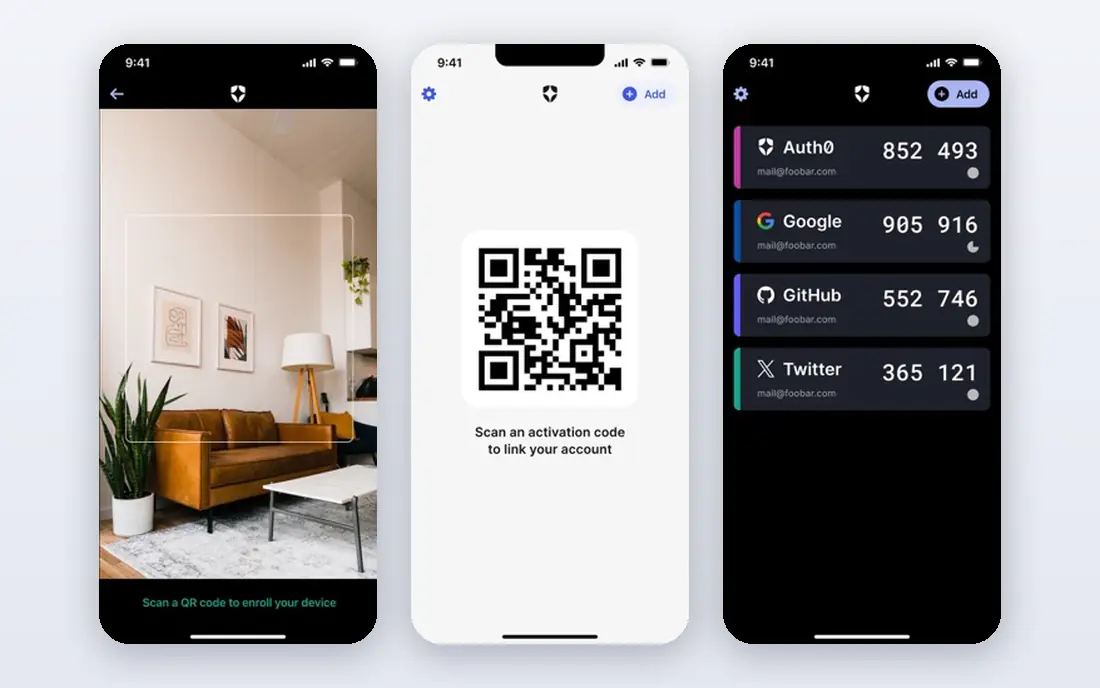
Auth0, now part of Okta, is the fastest way for many teams to add login plus authorization to a customer facing app. Social login, enterprise connections, multi factor authentication and role based access control come in a managed service with clear docs and SDKs. A free tier lets small apps start without a bill, and paid tiers add MFA, richer audit logs and higher limits.
The limits appear as authorization logic grows complex. Custom rules beyond roles and permissions can need workarounds, and per user costs climb with scale. For a SaaS team that wants managed identity with solid role support and a fast start, Auth0 remains the default pick. Confirm MFA and organization features sit on your chosen tier before launch.
- Free tier to start
- Strong developer docs and SDKs
- Roles and permissions built in
- Advanced authorization features sit on paid tiers
- Costs rise with monthly active users
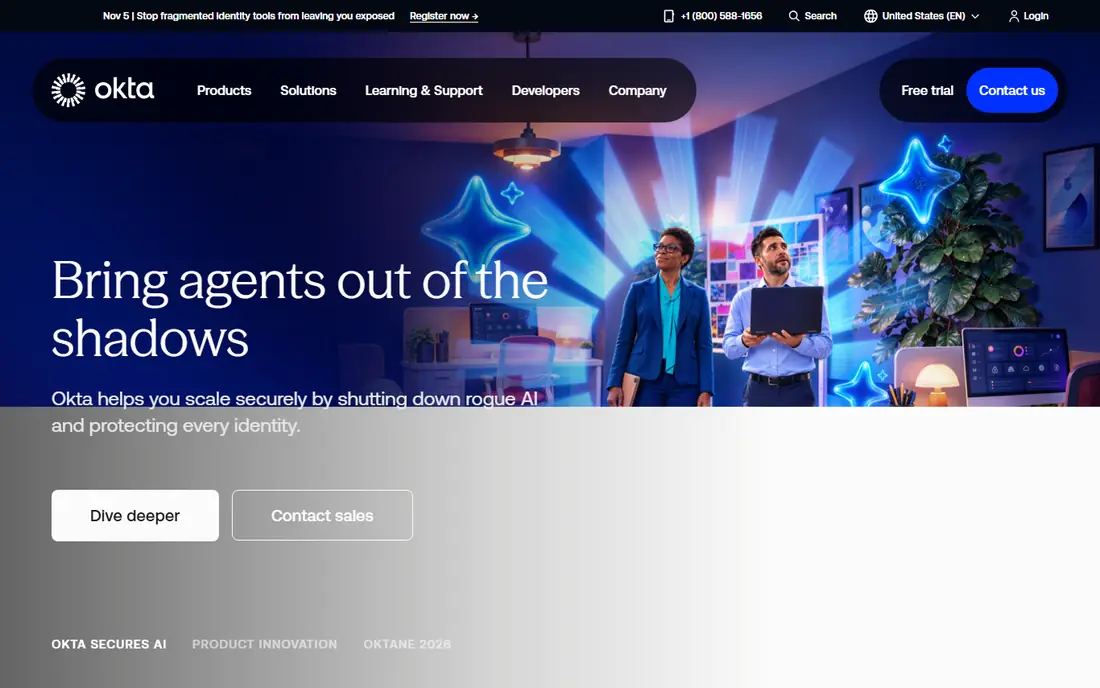
Okta Workforce Identity suits enterprises that need employee single sign on, lifecycle management and access governance across thousands of apps. Prebuilt integrations, HR system links and strong compliance support help large IT teams pass security reviews and manage joiners, movers and leavers cleanly. Customer Identity, formerly Auth0 based, covers consumer apps under a separate model.
Pricing is quote based and varies by workforce versus customer use, so get a quote for your exact user mix. Smaller teams will find Okta heavy. For a large company standardizing employee access, Okta is the enterprise benchmark.
- Huge app integration catalog
- Strong workforce SSO and lifecycle tools
- Enterprise compliance posture
- Quote based enterprise pricing
- Customer identity pricing differs from workforce pricing
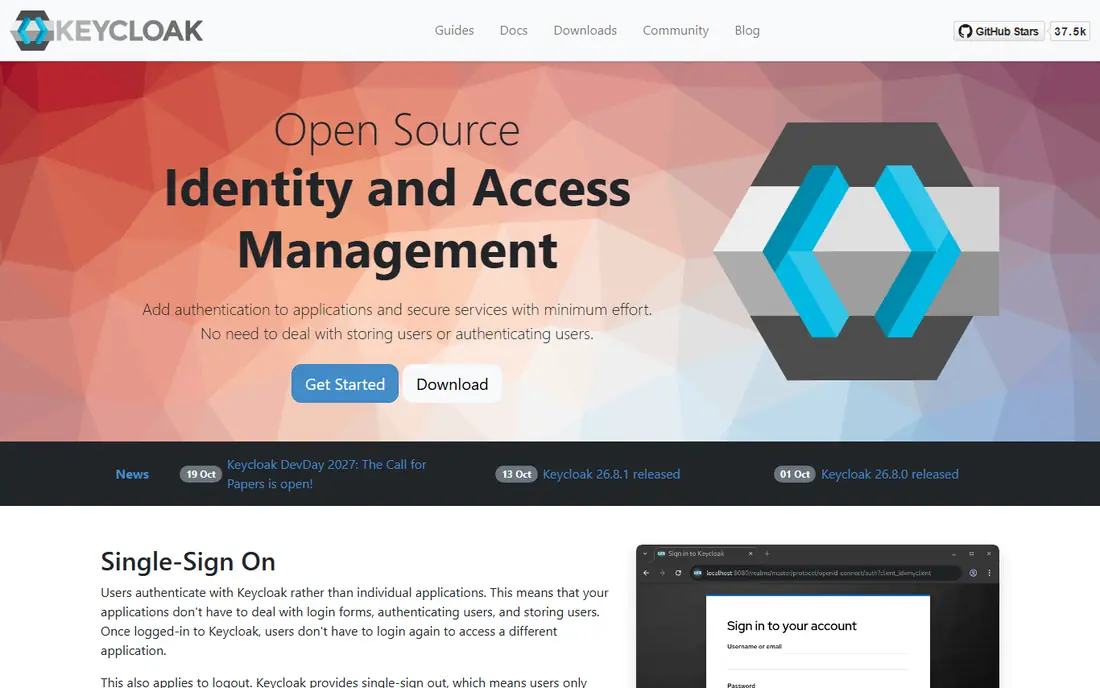
Keycloak is the best free starting point for teams that can self host. It provides single sign on, user federation, roles, groups and fine grained admin controls without license fees. Because it is open source, you control data residency and customization, which matters for regulated or privacy sensitive deployments.
The cost is operations. Your team handles hosting, updates, backups and scaling, and the admin interface takes time to learn. For a team with DevOps capacity that wants control and no per user bill, Keycloak is hard to beat. For a team that wants a managed service, Auth0 or Frontegg will save operational time.
- Free and open source
- SSO, roles and groups
- Self hosted control over data
- You run and update it yourself
- Admin interface takes learning
Cerbos treats authorization policies as code. Policies live in version control, go through review like other code, and run in a fast decision service that your app queries at request time. That model suits teams that want auditability, testing and clear ownership of permission rules, without embedding tangled if statements across services.
Setup is developer led, so product teams without engineering support will struggle. The open source core is free to run, while managed options require a quote. If your team already works with infrastructure as code and wants precise, testable permissions, Cerbos is a strong modern pick.
- Policy as code with version control
- Self hosted option
- Fast authorization checks
- Developer led setup
- Managed cloud pricing needs a quote
Oso lets developers write authorization logic in a declarative policy language and enforce it through a library or cloud service. Role based, attribute based and relationship based models are all possible, which covers most app needs without building a permissions engine from scratch. The cloud service removes hosting work for teams that prefer managed infrastructure.
Pricing at larger scale requires a conversation, and the ecosystem is smaller than the identity giants. For a product team that wants clean authorization logic separated from app code, Oso offers a focused and developer friendly path.
- Declarative policy language
- Managed cloud option
- Good docs for common models
- Quote based pricing at scale
- Smaller ecosystem than Auth0
Permit.io bridges developers and product teams. Policies can be managed visually or as code, with role based and attribute based controls, audit logs and SDKs for common stacks. That blend helps when product managers need to adjust permissions without waiting on engineering for every change.
Simple apps with two or three roles may not need this breadth. Production pricing also needs a quote. For a growing SaaS team where permission changes are frequent and non technical staff need safe input, Permit.io is a practical middle ground between raw code and a full identity suite.
- Visual policy editor plus code
- Role and attribute based controls
- Audit logs
- Pricing needs a quote for production scale
- Breadth can overwhelm simple role needs
Authzed, built around the SpiceDB model inspired by Google Zanzibar, excels when permissions depend on relationships. Think shared folders, team membership, nested groups and inherited access. Instead of hard coding those rules, you model relationships and ask Authzed whether a user can act on a resource. That scales cleanly as sharing grows complex.
The model takes learning, and simple role based apps do not need it. For collaboration products, document platforms or multi tenant apps where sharing rules are core to the product, Authzed is the most precise tool on this list.
- Relationship based model based on Zanzibar
- Strong for shared documents and groups
- Scalable checks
- Concept takes learning
- Overkill for simple role apps
Frontegg is built for B2B SaaS from the start. Tenants, workspaces, member roles, enterprise SSO and SCIM fit the way business customers actually buy software: one account, many users, admin controls and security reviews. Setup is faster than adapting a consumer identity tool to B2B needs.
Consumer apps should look elsewhere, and enterprise SSO sits on higher tiers. For a B2B SaaS team that needs tenant aware authorization without building it in house, Frontegg shortens the path to enterprise ready access control.
- B2B native tenants and roles
- Enterprise SSO and SCIM on higher tiers
- Quick SaaS setup
- B2B focus means less fit for consumer apps
- Enterprise features need higher tiers
How we picked these
We compared official docs, pricing pages, policy models and public reviews for authorization and identity tools sold in 2026. We favored tools that clearly separate authorization from login, that support roles plus finer grained controls, and that offer a free tier, open source option or trial for evaluation. Where pricing is quote based, we marked it as See website rather than guessing.
What to check before you buy
Start with your permission model. Simple apps need roles: admin, editor and viewer. Collaboration apps need relationships: who shared what with whom. Enterprise SaaS needs tenants plus roles plus SSO. Write down ten real permission questions your app must answer, then test each vendor against those questions, not against a generic feature list.
Test performance and audit needs
Authorization checks run on almost every request, so latency matters. Test check speed under realistic load, and confirm audit logs record who was allowed or denied and why. Regulated teams should also confirm data residency, backup and compliance support before choosing a managed service.
Plan migration from hard coded roles
If permissions currently live in app code, migration needs a plan. Map current roles to the new model, run both systems in parallel during testing, and roll out tenant by tenant. A clean migration beats a fast one, since a permission error can expose data or block paying customers.
FAQ
What is the difference between authentication and authorization?
Authentication proves identity, such as logging in with a password or SSO. Authorization decides what an authenticated user may do, such as viewing, editing or deleting a specific record. Most apps need both, and many tools on this list handle both jobs.
What is policy as code?
Policy as code means permission rules live in version controlled files, reviewed and tested like software code. Cerbos and Authzed use this approach. It improves auditability and reduces the risk of an unreviewed dashboard change altering access.
Do I need fine grained authorization or are roles enough?
Roles are enough for many internal tools and simple apps. Fine grained or relationship based authorization matters when users share records, belong to nested groups, or need access that varies by resource. If your permission questions mention specific documents or teams, roles alone will strain.
Is Keycloak really free?
Keycloak software is free and open source, and you can run it without license fees. You still pay for hosting, operations and staff time to maintain it. Managed services charge a fee to remove that operational work.
How do I choose between Auth0 and a dedicated authorization tool?
Choose Auth0 when managed login, social connections and basic roles are the main need. Choose Cerbos, Oso, Permit.io or Authzed when permission logic itself is complex, changes often, or depends on relationships between users and resources. Many teams use both: Auth0 for login, plus a dedicated tool for authorization.