Best AI Visibility Tools for Agencies in 2026: 9 Tools Compared
Compare the best AI visibility tools for agencies in 2026, with pricing, prompt limits, and client reporting features for ChatGPT, Gemini, and Perplexity.
- Editor's choice
 Profound
Enterprise brands and large agencies
Starts atSee websiteVisit profound.comFull review - Great alternative
 Peec AI
Agencies with many clients
Starts at$95 per monthVisit peec.aiFull review - Also consider
 Otterly.AI
Low cost agency monitoring
Starts at$29 per monthVisit otterly.aiFull review
TL;DR:
- Otterly.AI at $29 per month is the lowest cost entry point for agencies that need basic monitoring across several engines.
- Peec AI at $95 per month suits agencies that need prompt level analytics and multi client workspaces.
- Scrunch at $250 per month billed annually adds crawler data and site delivery checks that monitoring only tools miss.
- Profound is the enterprise pick, but agencies should confirm whether they need its custom pricing or a mid tier tool instead.
- Prompt count, engine coverage, and seat limits matter more than the headline price: a cheap plan with 15 prompts will not cover 10 clients.
Quick comparison
| Tool | Best for | Starts at | Free plan? | |
|---|---|---|---|---|
| Profound | Enterprise brands and large agencies | See website | Free trial | Visit |
| Peec AI | Agencies with many clients | $95 per month | Free trial | Visit |
| Otterly.AI | Low cost agency monitoring | $29 per month | Free trial | Visit |
 Scrunch | Crawler and site optimization | $250 per month | Free trial | Visit |
 Semrush AI Visibility Toolkit | Teams already on Semrush | $99 per month | Free trial | Visit |
 Ahrefs Brand Radar | Research and brand tracking | $199 per month | No | Visit |
 ZipTie | Pay for what you track | $42.75 per month | Free trial | Visit |
 Goodie AI | Revenue focused optimization | $399 per month | Free trial | Visit |
 Brandlight | Agency reporting and optimization | See website | Free trial | Visit |
The best AI visibility tools for agencies
AI visibility tools show how often a brand appears in answers from ChatGPT, Gemini, Perplexity, Google AI Overviews, and other answer engines. For agencies, the job is not just tracking one brand. It is tracking many clients, comparing them with competitors, and turning a mention gap into a content or site fix that a client can understand.
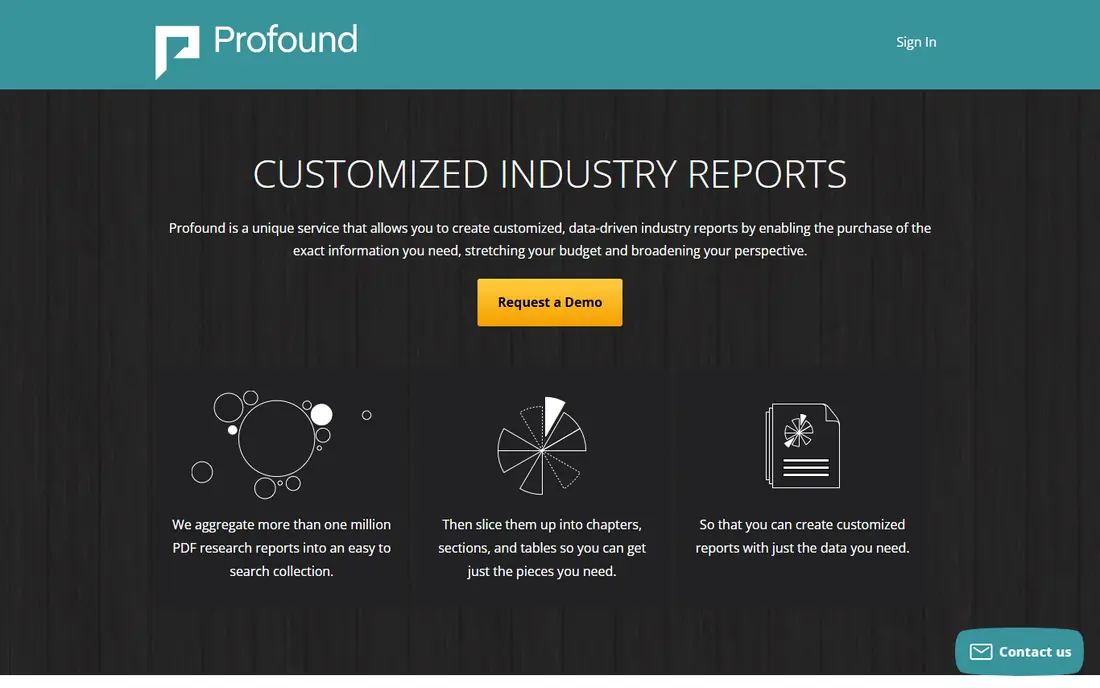
Profound is the best known name in this category, and for good reason. It tracks brand mentions, citations, and sentiment across major answer engines, and it connects that data to prompt demand and crawler activity on higher tiers. Agencies can use per client workspaces and show clients where they appear, where competitors appear, and which sources get cited.
The catch for agencies is cost and packaging. Profound lists custom enterprise pricing, with a 7 day trial that covers a limited prompt set. Smaller agencies should trial it against a mid tier tool and ask how prompt counts, seats, and engine coverage scale across clients. For a large agency with enterprise clients, Profound is often worth the conversation. For a five client shop, it may be more than the budget allows.
- Broad engine coverage on higher tiers
- Answer engine insights and prompt volume data
- Content agents for optimization
- Custom enterprise pricing
- Entry trial covers fewer engines than higher tiers

Peec AI starts at $95 per month for 50 prompts, one project, and 3 of 6 models in published October 2026 comparisons. Agency plans raise prompt and project limits and add all models. The tool shows share of voice, citation sources, sentiment, and competitor comparisons at the prompt level, which helps an agency explain why a client wins some questions and loses others.
Peec AI is a practical agency pick because it is built around repeatable reporting. An account manager can run the same prompt set each week, spot movement, and tie changes to content updates. The limit is engine choice on the entry plan: if a client cares most about Claude or another model outside the chosen three, the agency will need a higher tier or a second tool.
- Prompt level analytics
- Agency friendly workspaces
- Daily tracking across several models
- Entry plan covers 3 of 6 models
- Full engine coverage sits on higher plans
Otterly.AI Lite costs $29 per month, or $25 per month when billed annually, for 15 prompts and one workspace, with a 7 day trial. It tracks brand mentions and links across ChatGPT, Google AI Overviews, Perplexity, and Copilot, with Gemini and AI Mode available as add ons on some plans. Unlimited seats make it easy for an agency team to share access without per seat fees.
Otterly.AI is the best starting point for an agency that wants to add AI visibility to its services without a large upfront cost. The constraint is prompt volume. Fifteen prompts cover one small client well, but an agency with several clients will need the Standard plan at $189 per month in published comparisons, or a separate workspace per client. Price the agency plan, not just Lite, before quoting clients.
- Lowest published entry price in this list
- Unlimited seats
- Covers ChatGPT, AI Overviews, Perplexity, and Copilot
- Entry plan covers only 15 prompts
- Some engines cost extra as add ons
Scrunch starts at $250 per month when billed annually, or $300 per month billed monthly, for 350 custom prompts and 3 seats in published comparisons. It goes beyond mention tracking by showing how AI crawlers visit a site, whether pages are readable to those crawlers, and how to serve optimized pages to AI agents. That technical layer is what separates Scrunch from a dashboard that only counts mentions.
For agencies with technical SEO clients, Scrunch is a strong pick. It lets the team fix the site side of visibility, not just the content side. The price is higher than Otterly.AI or Peec AI, so it fits best when a client already pays for technical SEO or when AI traffic is a clear business goal. Smaller clients may be better served by a monitoring tool plus a manual site audit.
- Prompt tracking plus real crawler data
- Site delivery checks for AI agents
- All engines on entry in some comparisons
- Higher entry price than monitoring only tools
- Enterprise features sit on higher tiers
The Semrush AI Visibility Toolkit costs $99 per month per domain in published September and October 2026 comparisons, with 25 prompts on the entry tier. It tracks how a domain appears in AI answers and pairs that with Semrush keyword, traffic, and competitor data. Agencies already using Semrush can add AI visibility without learning a new platform or exporting data between tools.
The trade off is scope. Twenty five prompts is a small set, and the toolkit is an add on, so total cost includes the base Semrush plan. Agencies that do not already use Semrush should compare the combined price with a standalone tool such as Peec AI or Otterly.AI. For Semrush shops, the convenience and combined reporting often justify the add on.
- Sits inside a familiar SEO suite
- Tracks prompts per domain
- Useful alongside keyword and backlink data
- Add on pricing on top of a Semrush subscription
- Prompt count is limited at entry
Ahrefs Brand Radar starts at $199 per month for a single platform index, with an all platform option at $699 per month in published comparisons. It is designed for teams that want to research how any brand appears in AI answers, not just their own clients. That makes it useful for prospecting, competitor research, and pitch work, as well as ongoing tracking.
Ahrefs Brand Radar is less of a pure agency reporting tool and more of a research layer on top of Ahrefs. Agencies that already pay for Ahrefs and need deep brand research will get value from it. Agencies that need simple weekly client reports at a low price should look at Otterly.AI or Peec AI first, since Brand Radar pricing rises fast when all platforms are included.
- Strong brand mention research across AI platforms
- Pairs with Ahrefs backlink and content data
- Free checker for a quick look
- Single platform index costs $199 per month, with all platforms higher
- No trial for the full toolkit
ZipTie starts from $42.75 per month on a usage based model in published comparisons, where agencies choose prompts and engines and pay for what they track. That flexibility helps an agency with uneven client needs: a large client can get daily checks across many engines, while a small client gets weekly checks on a few prompts, all under one account structure.
ZipTie is a good fit for agencies that hate paying for unused prompt capacity. The catch is that usage based pricing needs careful setup. Without prompt limits per client, costs can drift upward, so set a prompt budget for each client before onboarding. ZipTie also lacks the brand scale of Profound, so agencies that sell on vendor reputation may need to show the reporting itself rather than the logo.
- Usage based pricing by prompts and engines
- Flexible daily, weekly, or monthly checks
- No per seat billing
- Newer and smaller than Profound or Semrush
- Reporting depth varies by plan
Goodie AI starts at $399 per month for 120 prompts in published comparisons, with a 7 day trial and 50 optimizations per month on the entry tier in some listings. It positions AI visibility as a revenue question: which prompts drive consideration, which pages get cited, and what content change could shift the answer. That framing helps agencies talk to clients in business terms, not just mention counts.
Goodie AI fits agencies with clients who already invest in content and want an optimization service, not just a report. The price puts it out of reach for small clients, and 120 prompts is modest for the cost compared with ZipTie or Peec AI. Use it when the client will pay for monthly optimization work, not when they only want a tracking dashboard.
- Tracks across ChatGPT, AI Overviews, Perplexity, AI Mode, and Copilot
- Includes monthly optimizations
- Revenue attribution focus
- Higher entry price
- Fewer prompts per dollar than budget tools
Brandlight is built for agencies and brands that need regular AI visibility reporting with clear recommendations. It tracks mentions across answer engines, compares brands with competitors, and surfaces content and site actions that could improve citation and mention rates. Agency teams can use it to standardize reporting across clients rather than building a new dashboard for each account.
Because Brandlight does not publish a simple starter price, agencies should request a quote with a real client count and prompt volume. Ask how many brands, prompts, engines, and seats are included, and whether reporting is white labeled. Brandlight is worth shortlisting when reporting quality and agency workflow matter more than the lowest entry price.
- Agency focused reporting
- Brand tracking across answer engines
- Optimization recommendations
- Pricing is not published as a simple starter rate
- Feature depth varies by plan
How we picked these
We compared official pricing pages and published October 2026 pricing comparisons for tools that track brand visibility in AI answers. We favored tools with daily or regular prompt checks, multi engine coverage, competitor comparison, and agency features such as multiple workspaces or unlimited seats. We excluded one off checkers with no ongoing tracking and tools whose pricing could not be verified.
What to check before you choose
Start with a prompt list, not a tool. Write 20 to 50 real questions a buyer would ask about each client, including comparison and problem questions, not just brand name searches. The tool that covers those prompts across the engines your clients care about is the right tool, even if another tool is cheaper per month.
Prompt budgets per client
Set a prompt budget per client and stick to it. Entry plans with 15 to 50 prompts work for one small client, not for a portfolio. Multiply prompts by clients before you buy, and check whether unused prompts roll over or expire each month.
Engines and citation sources
Confirm which engines are included at your tier and which cost extra. ChatGPT, Gemini, Perplexity, Copilot, Claude, and Google AI Overviews do not all behave the same, and a tool that only tracks one engine will miss part of the picture. Also check whether the tool shows citation sources, since fixing the cited page is often more useful than rewriting the client homepage.
From report to fix
A mention chart alone rarely keeps a client. Ask whether the tool suggests content updates, site fixes, or new pages, and whether those suggestions are specific enough to hand to a writer or developer. Scrunch, Goodie AI, and Profound score well here, while budget monitoring tools may need agency analysis on top.
FAQ
What is the best AI visibility tool for agencies?
Peec AI is a strong all round agency pick at $95 per month, with prompt level analytics and multi client workspaces. Otterly.AI is better for budget conscious agencies, while Scrunch and Profound suit larger clients that need technical fixes or enterprise coverage.
How many prompts does an agency need per client?
Most small clients need 20 to 50 prompts to cover brand, product, comparison, and problem questions. Larger clients with many products may need 100 or more. Start with a focused list and expand only when the first report shows gaps.
Which AI engines should agencies track?
At minimum, track ChatGPT, Google AI Overviews, and Perplexity, plus Gemini or Copilot if your clients serve those audiences. Claude matters for some B2B and professional audiences, but it often costs extra, so confirm coverage before you promise it to a client.
Is there a free AI visibility tool for agencies?
AthenaHQ and some checkers offer free plans or free one off checks, but ongoing agency tracking needs a paid plan. Otterly.AI, Peec AI, and ZipTie offer trials that let an agency test reporting with a real client before committing.
How do agencies report AI visibility to clients?
Good agency reports show share of voice, citation sources, competitor comparison, and movement over time, plus one or two recommended actions per month. Avoid sending raw prompt tables without context, since clients need to know what changed and what to do next.
What is the difference between AI visibility and traditional SEO tracking?
Traditional SEO tracks rankings and clicks in search results, while AI visibility tracks mentions, citations, and sentiment inside AI generated answers. Both matter, because AI answers often cite search indexed pages, so fixing search content and site structure helps both channels.