Best AI Video Generation Apps in 2026: 8 Apps Compared
Compare the best AI video generation apps in 2026, with free plans, text to video models, avatar tools, and honest credit limits for all creators today.

- Editor's choice
 Runway
Cinematic clips and editing
Starts atFreeVisit runwayml.comFull review - Great alternative
 Kling
Realistic clips on a budget
Starts atSee websiteVisit klingai.comFull review - Also consider
 Pika
Short social clips and effects
Starts atSee websiteVisit pika.artFull review
TL;DR:
- Text to video, image to video, and avatar video are different tools, so pick the type that matches your content.
- Runway and Kling suit short cinematic clips, while Synthesia and HeyGen suit presenter led business video.
- Free plans are useful for testing, but most give only a small credit allowance or watermarked output.
- Credit costs matter more than the monthly price, because a cheap plan can run out after a few clips.
- Check commercial use terms, export quality, and watermark rules before you use clips in paid work.
Quick comparison
| Tool | Best for | Starts at | Free plan? | |
|---|---|---|---|---|
| Runway | Cinematic clips and editing | Free | Yes | Visit |
| Kling | Realistic clips on a budget | See website | Yes | Visit |
| Pika | Short social clips and effects | See website | Yes | Visit |
 Google Veo | Realistic clips with sound | See website | Free trial | Visit |
 Synthesia | Avatar presenters for training | See website | Yes | Visit |
 HeyGen | Talking head avatar video | See website | Yes | Visit |
 Luma Dream Machine | Fast image to video drafts | See website | Free trial | Visit |
 InVideo AI | Marketing video from a prompt | See website | Yes | Visit |
The best ai video generation apps
We compared model quality, clip length, credit systems, avatar tools, editing, and price. The best free AI video generation apps for testing are not always the best tools for regular production, so we note both uses below.
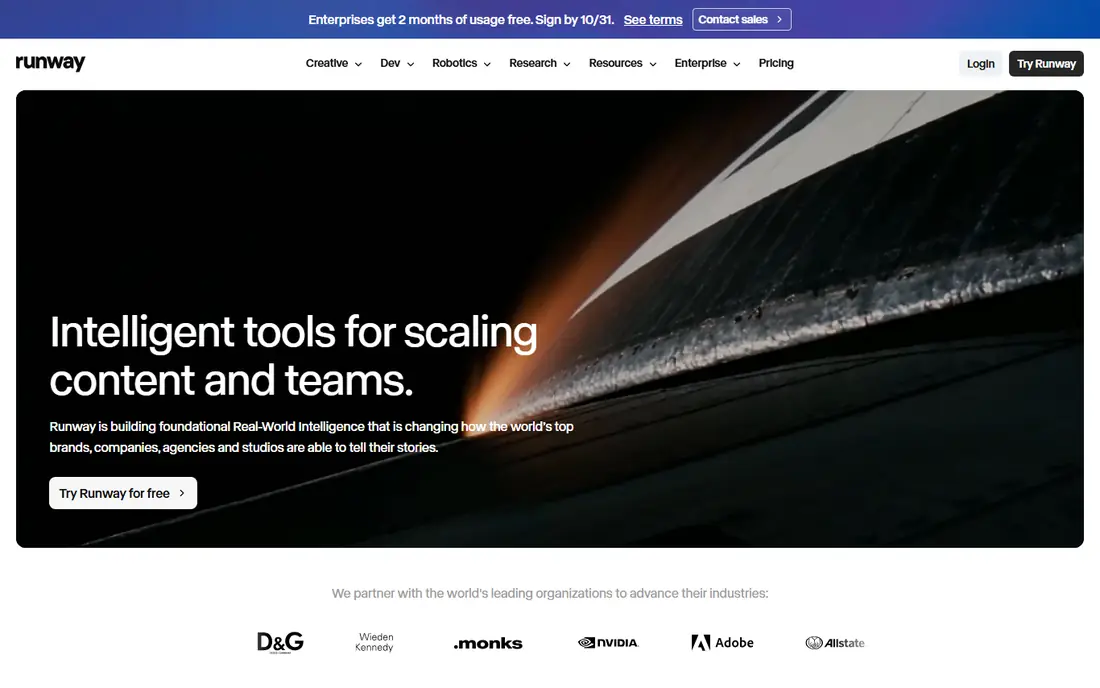
Runway is the most complete video generation workspace in this list. Its Gen-4 models handle text to video and image to video, with tools for character consistency, inpainting, motion direction, and timeline editing. That combination suits creators who want to generate a clip, then refine it in the same workspace, rather than exporting to another editor for every change. Partner models in the workspace add more choice for different styles.
The credit system needs care. The free plan gives 125 one time credits, and paid plans give monthly credits that reset each cycle, with higher plans giving more credits and higher limits. A short high quality clip can use many credits, so a Standard plan may only cover a small number of finished shots. Test with the free credits first, then choose a plan based on how many approved clips you need each month.
- Gen-4 family for text and image to video
- Editing tools for inpainting and motion
- Multiple models in one workspace
- Free plan gives a one time credit grant, not a monthly allowance
- Credits burn fast on the best model
- Project limits on lower plans
Kling is a strong value choice for realistic short clips. It handles text to video and image to video with natural motion, lighting, and camera movement, and it often costs less per month than Runway for a similar number of clips. A free tier with daily credits lets you test the model without paying, which is more useful than a one time grant if you want to try a few ideas over a week.
The limits are familiar in this category. Clips are short, usually around five to ten seconds, and higher quality settings use more credits. You will still need an editor to join clips into a longer video, add sound, and add text. If your main need is realistic short clips for social posts, ads, or product shots, Kling gives a good balance of quality and price.
- Strong realistic motion and detail
- Daily free credits in many cases
- Lower entry price than many rivals
- Credit costs vary by model and quality
- Clip length is short
- Interface and support vary by region
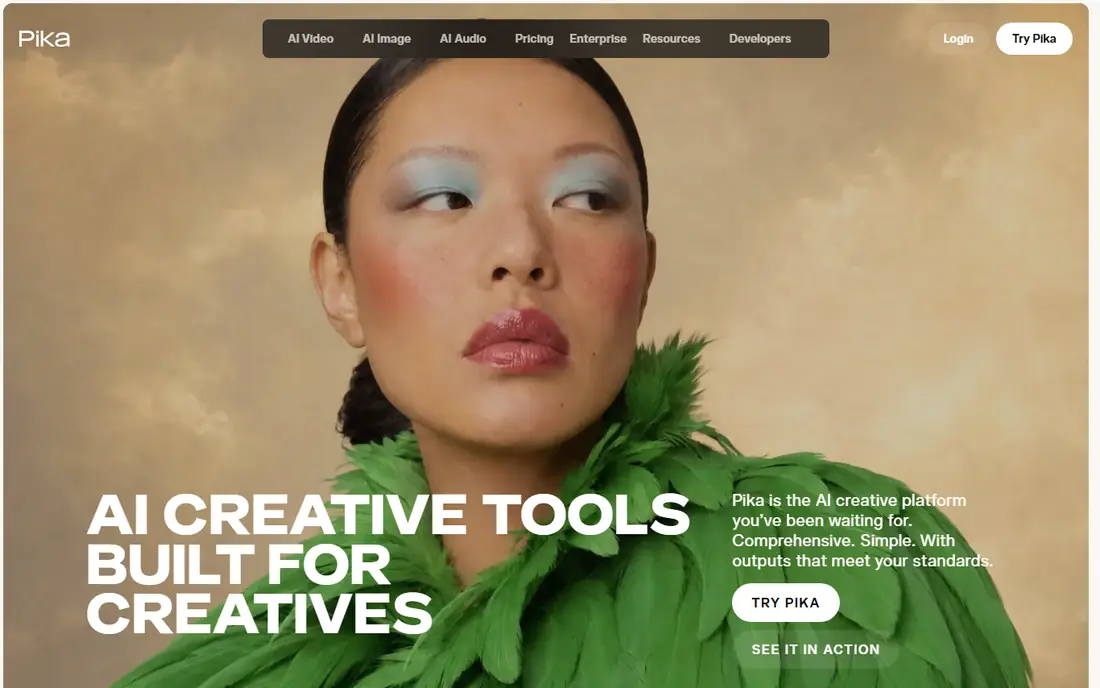
Pika suits creators who make short social clips, memes, and effects rather than long cinematic scenes. Its effects, such as expanding, melting, and transforming a subject, are easy to use and work well for short form feeds. The free plan is notable because it can give watermark free output in some listings, which is rare among free AI video tools, but commercial use needs a paid plan.
Check the current free plan carefully before you rely on it. Some listings show no monthly free credits, with credit packs sold separately, while paid plans give monthly credits and a commercial licence. If you post for fun, the free tier may be enough. If you post for a business, pay for a plan that includes commercial rights.
- Fun effects and short clip styles for social video
- Free plan without a watermark in many cases
- Clear credit costs on paid plans
- Free plan has no monthly credits in some listings, with packs instead
- Commercial licence needs a paid plan
- Clip length is short
Google Veo, now in its 3.1 version in many listings, stands out for realistic clips with sound. It can generate speech, music, and sound effects synced to the video, which saves a separate audio step for short scenes. Prompt understanding is strong, so detailed scene descriptions often give closer results than vague prompts. Access is through Google AI plans and tools such as Flow in some markets, rather than a single standalone app.
The drawback is access complexity. Veo pricing, limits, and availability depend on your Google plan and region, and free access is limited. Clips are short per generation, so longer stories need many generations and editing. If you already use Google AI tools and want realistic clips with sound, Veo is a strong choice. If you want a simple standalone app, Runway or Kling may be easier.
- Realistic footage with synced audio in newer versions
- Strong prompt understanding
- Access through Google AI plans and Flow in some markets
- Access and pricing vary by plan and region
- Clip length is short per generation
- Usage limits change with plan tier
Synthesia is not a cinematic clip generator. It turns a script into a presenter led video, with an AI avatar speaking your text in a studio style setting. That format suits training, onboarding, internal updates, and product explainers, where a clear presenter matters more than a dramatic scene. Templates, screen recording, and translation tools help teams make consistent videos without filming.
The free Basic plan gives a small monthly minute allowance with a watermark, which is enough to test an avatar and a script. Paid plans remove the watermark, add more avatars and minutes, and add collaboration features. If you need a human style presenter without a camera crew, Synthesia is one of the best AI video generation tools for business use. If you need moving scenes, use Runway, Kling, or Veo instead.
- Avatar presenters from a script in many languages
- Templates for training and explainers
- Collaboration tools on higher plans
- Free plan gives watermarked output
- Avatar video suits presenters, not cinematic scenes
- Higher plans cost much more for more minutes
HeyGen also focuses on avatar video, but with a stronger emphasis on marketing and social formats. You can pick an avatar, paste a script, and generate a talking head video in many languages, with lip sync and dubbing tools for multilingual campaigns. That makes it useful for product demos, ads, and short social explainers where a presenter drives the message. Templates help small teams produce a clean video without editing skills.
The free plan gives a small number of short videos per month, which is enough to test quality. Paid Creator, Pro, and Business plans give credits per month, with higher plans giving more credits and seats. Credit use per minute means a long video can cost more than a short one, so plan your scripts tightly. If you need a friendly presenter for marketing, HeyGen is a strong rival to Synthesia.
- Talking head avatars with lip sync in many languages
- Templates for marketing and social video
- Voice cloning and translation on higher plans
- Free plan limits video count and length
- Credits are used per minute on paid plans
- Avatar quality varies by avatar and script
Luma Dream Machine, from Luma Labs, is known for fast image to video drafts. You upload a still image, describe the motion, and get a short clip that brings the image to life. That workflow suits designers, advertisers, and social creators who already have strong images and want motion without filming. Newer listings show multiple models in one platform, which adds choice for different styles and quality levels.
Pricing is the main caution. Luma lists paid plans with monthly credits and commercial use, but no full free plan in many listings, only a try for free entry point. Entry cost is higher than Kling or Pika, so it suits creators who will use it regularly. Test the trial, check the credit cost for your usual clip length, and compare it with Runway Standard before you pay.
- Fast image to video generation
- Multiple models in one platform in newer listings
- Good motion controls for drafts
- No full free plan in many listings
- Entry paid plan costs more than Kling or Pika
- Credit costs vary by model
InVideo AI suits a different job from Runway or Kling. You give a prompt, and it builds a complete marketing video with a script, voiceover, stock footage, AI clips, and captions. That is useful for ads, product explainers, and social posts where speed matters more than cinematic control. Templates and editing tools let you change scenes, text, and voice without starting again.
The trade off is originality. Much of the output uses stock footage and templates, so the video may look less unique than a pure AI generated clip. The free plan gives watermarked output and limits, while paid plans give more minutes, watermark free export, and higher quality. If you need many marketing videos fast, InVideo AI is a practical choice. If you need unique generated scenes, pair it with Runway or Kling.
- Turns a prompt into a full marketing video with script, voice, and stock clips
- Templates for ads and social formats
- Editing tools for text and scenes
- Output relies on stock and AI clips, not pure generation
- Free plan has watermarks and limits
- Higher plans needed for longer, watermark free video
How we picked these
We compared official pricing pages, model pages, and public reviews for AI video tools active in October 2026. We looked for text to video, image to video, or avatar video, plus a usable free tier or trial, export options, and clear credit terms. We used See website where pricing varies by plan, region, or billing term, rather than inventing a fixed price. We left out tools that are only editors, only voice tools, or that could not be verified as active video generators.
How to choose the best AI video generation tool
Start with the video type you actually make. A training video, a social ad, and a cinematic short need different tools, and no single app in this list does all three equally well. Pick one generator for scenes, one avatar tool for presenters if you need them, and one editor to join clips.
Count credits, not just dollars
A low monthly price can hide a small credit allowance. Check the credit cost for your usual clip length and quality, then divide the monthly credits by that cost. That gives you the number of finished clips per month, before retries. Budget for retries, because most creators need several takes per approved shot.
Check rights, watermarks, and export quality
Free plans often add a watermark or limit commercial use. Paid plans usually remove the watermark and allow commercial use, but terms vary by tool. Check export resolution, clip length, and audio rights before you use a clip in a paid ad or client work. Keep a copy of the terms for the plan you buy.
Build a simple workflow
Generate short clips, review them at low cost, then spend credits on final versions once composition and motion work. Join clips in an editor, add sound and captions, and keep prompts and settings for shots you may need again. A simple workflow saves more money than a cheaper plan with no process.
FAQ
What are the best free AI video generation apps?
Runway gives a one time free credit grant, Kling gives daily free credits in many cases, and Pika gives a free plan that can be watermark free in some listings. HeyGen and Synthesia give free avatar video with limits, and InVideo AI gives a free plan with watermarks. Free plans are best for testing, not for regular production.
What is the best free AI video generation tool for social clips?
Pika and Kling are strong for short social clips, with Pika suiting effects and fun formats and Kling suiting realistic scenes. Runway also works for social clips, but its free credits run out fast. Test all three with the same prompt and image, then pick the model whose motion and style fit your feed.
What are the best AI video generation platforms for business video?
Synthesia and HeyGen suit presenter led training, onboarding, and marketing video, because they turn a script into a talking head video. InVideo AI suits fast marketing video from a prompt, with script, voice, and stock clips. For product scenes, pair an avatar tool with Runway, Kling, or Veo for generated footage.
What is the best AI video generation tool for realistic video?
Google Veo and Kling both score well for realistic footage, with Veo adding synced audio in newer versions. Runway also gives strong cinematic results, especially for character consistency across shots. Realism depends on prompt detail, image quality, and model choice, so test the same scene on two tools before you commit.
Do the best free AI tools for video generation allow commercial use?
Most free plans limit commercial use, add a watermark, or both. Pika requires a paid plan for a commercial licence in many listings, and Synthesia and HeyGen free plans are watermarked. Always check the commercial terms for your plan before you use a clip in paid work, and upgrade if the terms require it.