Best AI Tools to Animate Photo to Video in 2026: 8 Tools Compared
Best ai tools to animate photo to video compared in 2026: legitimate tools that turn still photos into motion, with consent and lawful use notes today.

- Editor's choice
 Kling
Realistic photo motion
Starts atSee websiteVisit klingai.comFull review - Great alternative
 Runway
Controlled photo animation
Starts at$12 per monthVisit runwayml.comFull review - Also consider
 Luma Dream Machine
Cinematic photo movement
Starts atSee websiteVisit lumalabs.aiFull review
TL;DR:
- Every tool here is a legitimate animation tool, and undressing tools are excluded.
- Use only photos you own or have permission to use, and label AI video clearly when it could mislead viewers.
- Kling and Runway lead on motion and control, while D-ID and HeyGen lead on talking photos.
- Free plans often add a watermark or limit commercial use, so check the license before client work.
Quick comparison
| Tool | Best for | Starts at | Free plan? | |
|---|---|---|---|---|
| Kling | Realistic photo motion | See website | Yes | Visit |
| Runway | Controlled photo animation | $12 per month | Yes | Visit |
| Luma Dream Machine | Cinematic photo movement | See website | Yes | Visit |
 Pika | Fast playful photo clips | $8 per month | Yes | Visit |
 Hailuo AI | Template photo animation | See website | Yes | Visit |
 Vidu | Consistent photo characters | $8 per month | Yes | Visit |
 D-ID | Talking photo presenters | See website | Free trial | Visit |
 HeyGen | Avatar photo video | See website | Yes | Visit |
The best AI Tools to Animate Photo to Video
Photo to video tools turn a still image into a short moving clip, often with camera motion, expression, or speech. Use them only with photos you own or have clear permission to use, and never to create intimate, deceptive, or non-consensual imagery of a real person. The tools below are legitimate animation and presenter tools, and we excluded undressing tools entirely. Our pick for most creators is Kling for motion quality, while D-ID and HeyGen suit talking photos for business use.
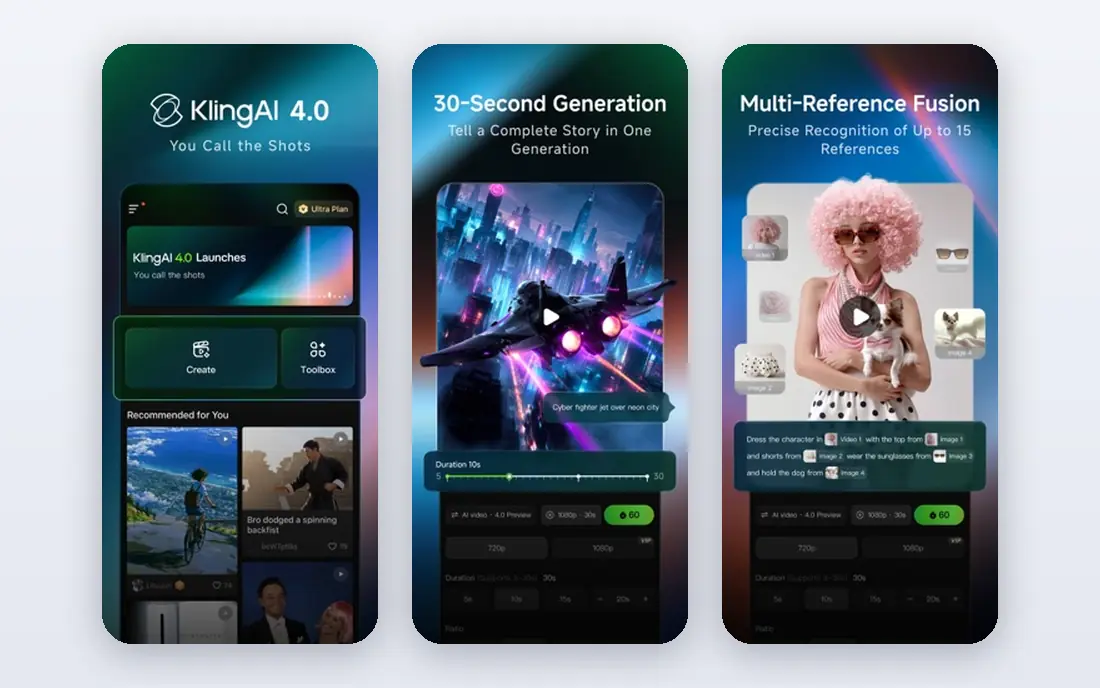
Kling fits creators animating photos for social video. Its clearest strength is realistic motion that holds up over longer clips, which matters when a photo must move like a real scene, not a slideshow. For teams that want daily free tries before paying, this focus keeps the day to day work simpler than a broad platform that tries to cover every related job at once.
The catch is its limits on the plan you would actually buy. That does not rule it out, but it does mean you should check current pricing and commercial terms before you commit, and run a small pilot with a real project rather than a demo file. If that pilot passes, Kling is a sound pick for realistic photo motion.
We compared Kling on its official feature and pricing pages, public documentation, and user reviews. What stood out was its motion quality from still images. What held it back in our comparison was its changing promo pricing.
- Realistic motion from a still photo
- Longer clips
- Image to video and multi-shot options
- Promo pricing changes often
- Free use has commercial limits
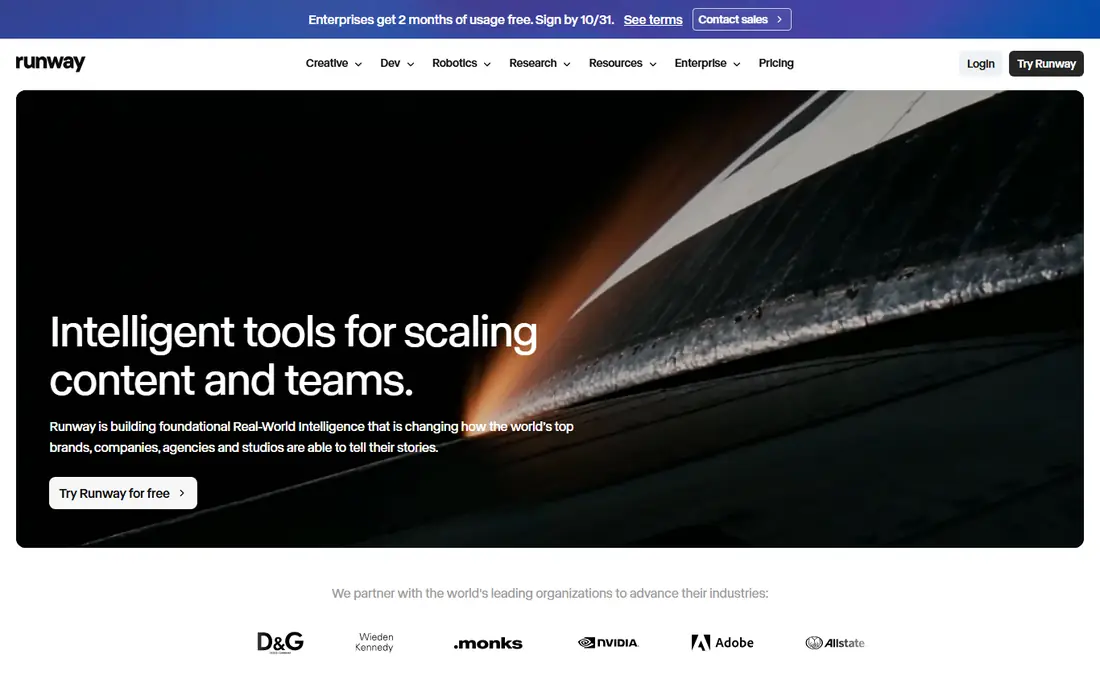
Runway fits filmmakers animating photos with intent. Its clearest strength is precise control over how a photo moves, which matters when a photo animation must match a shot plan. For teams that need editing tools after generation, this focus keeps the day to day work simpler than a broad platform that tries to cover every related job at once.
The catch is its limits on the plan you would actually buy. That does not rule it out, but it does mean you should check credit use for your usual clip length before you commit, and run a small pilot with a real project rather than a demo file. If that pilot passes, Runway is a sound pick for controlled photo animation.
We compared Runway on its official feature and pricing pages, public documentation, and user reviews. What stood out was its shot control. What held it back in our comparison was its one time free credit limit.
- Strong camera and motion control
- Editing tools for generated clips
- Image to video workflow
- Free credits are one time only
- Heavy use costs more in credits

Luma Dream Machine fits creators who want cinematic photo motion. Its clearest strength is camera movement guided by keyframes, which matters when a still must become a slow reveal or orbit. For teams that want control over camera path, this focus keeps the day to day work simpler than a broad platform that tries to cover every related job at once.
The catch is its limits on the plan you would actually buy. That does not rule it out, but it does mean you should check generation limits on your plan before you commit, and run a small pilot with a real project rather than a demo file. If that pilot passes, Luma Dream Machine is a sound pick for cinematic photo movement.
We compared Luma Dream Machine on its official feature and pricing pages, public documentation, and user reviews. What stood out was its camera language. What held it back in our comparison was its credit use at volume.
- Believable camera moves from a photo
- Keyframe guidance
- Strong image to video quality
- Volume needs a paid plan
- Retries add cost
Pika fits social creators who want quick photo clips. Its clearest strength is speed and playful effects for feeds, which matters when a photo clip is for social, not a film. For teams that want a low cost test bed, this focus keeps the day to day work simpler than a broad platform that tries to cover every related job at once.
The catch is its limits on the plan you would actually buy. That does not rule it out, but it does mean you should check how credits map to clip length before you commit, and run a small pilot with a real project rather than a demo file. If that pilot passes, Pika is a sound pick for fast playful photo clips.
We compared Pika on its official feature and pricing pages, public documentation, and user reviews. What stood out was its fast turnaround. What held it back in our comparison was its stylized look.
- Fast effects from a photo
- Simple workflow
- No watermark on any tier in recent guides
- Stylized output suits social clips more than realistic scenes
- Credit packs need care
Hailuo AI fits beginners animating photos for social posts. Its clearest strength is template led animation for fast results, which matters when you want a clip without learning a pro tool. For teams that need a cheap paid step up, this focus keeps the day to day work simpler than a broad platform that tries to cover every related job at once.
The catch is its limits on the plan you would actually buy. That does not rule it out, but it does mean you should check watermark rules on your plan before you commit, and run a small pilot with a real project rather than a demo file. If that pilot passes, Hailuo AI is a sound pick for template photo animation.
We compared Hailuo AI on its official feature and pricing pages, public documentation, and user reviews. What stood out was its template speed. What held it back in our comparison was its watermark on free exports.
- Templates that animate a photo fast
- Free starting access
- Simple social workflow
- Free output carries a watermark
- Realism lags top models
Vidu fits creators reusing the same photo subject. Its clearest strength is consistency when the same person appears again, which matters when a series must keep the same face. For teams that need reference based animation on a budget, this focus keeps the day to day work simpler than a broad platform that tries to cover every related job at once.
The catch is its limits on the plan you would actually buy. That does not rule it out, but it does mean you should check reference limits on your plan before you commit, and run a small pilot with a real project rather than a demo file. If that pilot passes, Vidu is a sound pick for consistent photo characters.
We compared Vidu on its official feature and pricing pages, public documentation, and user reviews. What stood out was its face consistency. What held it back in our comparison was its smaller support library.
- Reference support for consistent faces
- Low starting price
- Simple web flow
- Smaller ecosystem
- Some features are plan gated
D-ID fits business teams making talking photo explainers. Its clearest strength is talking photos for training and marketing, which matters when a still portrait must deliver a script. For teams that need a simple presenter workflow, this focus keeps the day to day work simpler than a broad platform that tries to cover every related job at once.
The catch is its limits on the plan you would actually buy. That does not rule it out, but it does mean you should check trial limits and commercial terms before you commit, and run a small pilot with a real project rather than a demo file. If that pilot passes, D-ID is a sound pick for talking photo presenters.
We compared D-ID on its official feature and pricing pages, public documentation, and user reviews. What stood out was its simple talking photo workflow. What held it back in our comparison was its tight trial limits.
- Simple photo to talking video workflow
- Avatar presenters for training and marketing
- API option
- Trial limits are tight
- Realistic presenter video needs care with consent and disclosure
HeyGen fits teams that need scripted avatar video at scale. Its clearest strength is scripted avatar video with translation, which matters when a presenter must speak several languages. For teams that want API driven repeatable video, this focus keeps the day to day work simpler than a broad platform that tries to cover every related job at once.
The catch is its limits on the plan you would actually buy. That does not rule it out, but it does mean you should check per second pricing at your resolution before you commit, and run a small pilot with a real project rather than a demo file. If that pilot passes, HeyGen is a sound pick for avatar photo video.
We compared HeyGen on its official feature and pricing pages, public documentation, and user reviews. What stood out was its translation and avatar workflow. What held it back in our comparison was its limits for realistic live action scenes.
- Photo avatars and scripted video
- Translation across languages
- API for repeatable work
- Avatar video is not live action
- Top quality tiers cost more
How we picked these
We compared official feature pages, pricing pages, documentation, and public reviews for each product, and we kept only products that exist, work in October 2026, and fit the topic on their own terms. We checked starting prices on vendor sites and used See website where a vendor does not publish a simple starting price or prices by quote. We favored products with clear controls for safety, privacy, and rollback, and we noted limits plainly instead of hiding them behind praise.
What to check before you choose a photo animation tool
Check the limits that matter most
Free plans, credit caps, seat minimums, export limits, and quote-only pricing change the real cost fast. Read the pricing page for the plan you would actually buy, not the cheapest headline price, and confirm what happens when you hit a limit mid-project.
Plan for the day something goes wrong
The best tool in this kind of list is often the one that makes it easy to pause, roll back, export your work, or cancel. Keep a copy of your work outside the tool, note who owns the account, and confirm support hours before a deadline depends on it.
Start with the smallest real test
Pick one real project, one real audience, and one clear success measure before you pay for a full plan. A short pilot shows whether setup, limits, and support match the sales page, and it gives you a clean comparison point if you try a second tool later.
FAQ
Can I animate a photo of someone else?
Only with that person's clear permission, and only for a lawful purpose. Do not animate photos of real people into intimate, misleading, or deceptive content, and label AI generated video clearly when viewers could mistake it for real footage.
What is the best AI tool to animate a photo to video?
Kling is our pick for realistic motion, Runway is the pick for controlled cinematic movement, and D-ID or HeyGen are the picks for talking photos in business training or marketing.
Do free plans allow commercial use?
Not always. Some free plans limit use to personal projects or add a watermark, so read the license for your plan before client work. Paid plans usually remove those limits.
Why does a face warp in some clips?
Faces warp when motion, lighting, or camera movement pushes the model past what the still photo supports. Shorter clips, simpler motion, and a clear, front facing photo usually hold up better.
Are undressing tools included here?
No. This guide lists only legitimate animation tools and excludes tools that remove clothing or create non-consensual intimate imagery. If a tool promises that use, do not use it.