Best AI Marketing Platforms in 2026: 8 Platforms Compared
Find the best ai marketing platform for your budget and channels, with AI features, pricing and honest limits across 8 platforms. Compare. Read more. Check fit.
- Editor's choice
 HubSpot Marketing Hub
CRM plus marketing in one system
Starts atFree; Starter from $15 per seat per month, billed annuallyVisit hubspot.comFull review - Great alternative
 Salesforce Marketing Cloud
Enterprise multi-channel campaigns
Starts at$1,500 per organisation per month for Marketing Cloud Next Growth, billed annuallyVisit salesforce.comFull review - Also consider
 Adobe Marketo Engage
B2B lead nurturing at scale
Starts atSee websiteVisit business.adobe.comFull review
TL;DR:
- AI marketing value now sits in audience building, content help, scoring and journey timing, not in a single AI button.
- Pricing models differ sharply, with some tools charging by contacts, some by sends and some by organisation, so totals are not directly comparable.
- E-commerce, B2B and app brands need different platforms, and the best all-round tool is not always the best for one channel.
- Free plans help small teams start, but AI features often sit on paid tiers, so check plan details.
Quick comparison
| Tool | Best for | Starts at | Free plan? | |
|---|---|---|---|---|
| HubSpot Marketing Hub | CRM plus marketing in one system | Free; Starter from $15 per seat per month, billed annually | Yes | Visit |
| Salesforce Marketing Cloud | Enterprise multi-channel campaigns | $1,500 per organisation per month for Marketing Cloud Next Growth, billed annually | No | Visit |
| Adobe Marketo Engage | B2B lead nurturing at scale | See website | No | Visit |
 Mailchimp | Newsletters and simple automation | Free; Essentials from $13 per month for 500 contacts | Yes | Visit |
 ActiveCampaign | Deep automation for small businesses | $15 per month for Starter, billed annually, for 1,000 contacts | Free trial | Visit |
 Klaviyo | E-commerce email and SMS revenue | Free; Email from $20 per month for 500 profiles | Yes | Visit |
 Braze | Mobile and multi-channel engagement | See website | No | Visit |
 Brevo | Budget multi-channel sending | Free; Starter from $9 per month for 5,000 emails | Yes | Visit |
The best AI marketing platforms
We compared official feature pages, pricing pages, app store listings and public documentation for each option below, and we kept only products that are available now and fit the topic directly. Read the shortlist first, then use the buying guide to match one product to your budget and workflow.
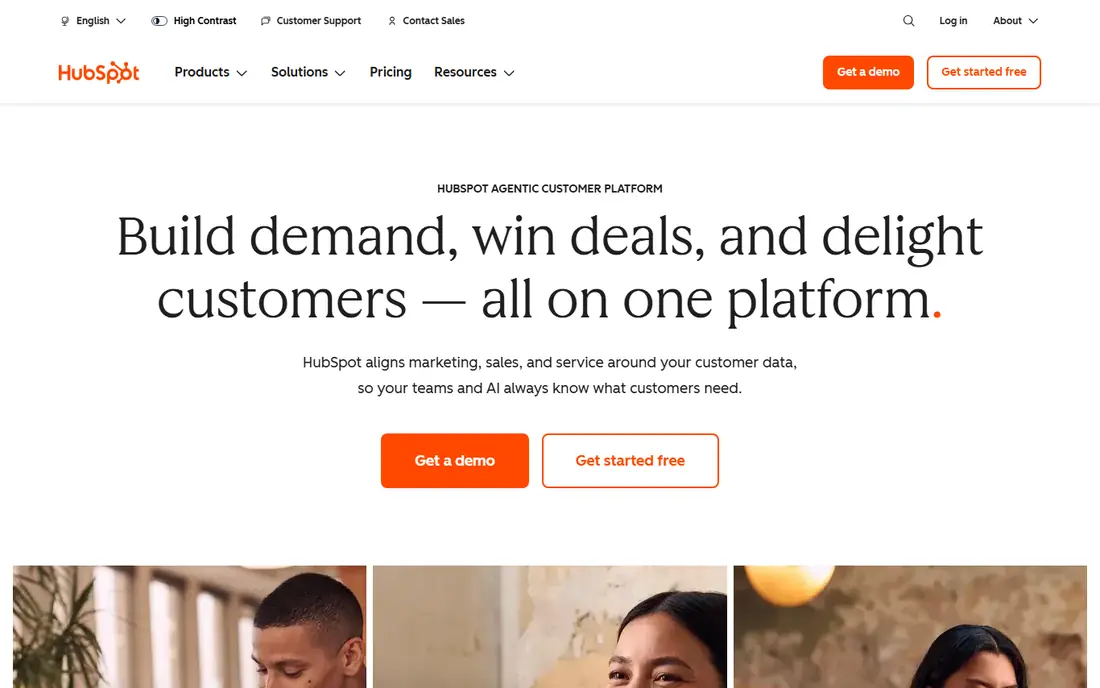
For teams that want crm plus marketing in one system without a long setup, HubSpot Marketing Hub is a practical first look. HubSpot fits teams that want marketing and sales on one CRM, with AI help for content and campaigns. Because contacts, campaigns and sales activity share one database, reporting on pipeline is simpler than stitching separate tools, and AI tools can draft emails and pages inside that workflow.
The jump to Professional is large, so small teams should test whether Starter covers their automation needs before budgeting for the higher tier. That trade-off does not rule it out, but it does mean you should test it against your own data and team before you sign a longer contract. A short trial or demo with a real use case will tell you more than a sales page can.
- CRM, email, automation and landing pages together
- AI content help
- Strong integrations
- Professional tier is $800 per month plus onboarding
- Costs rise with contacts and seats
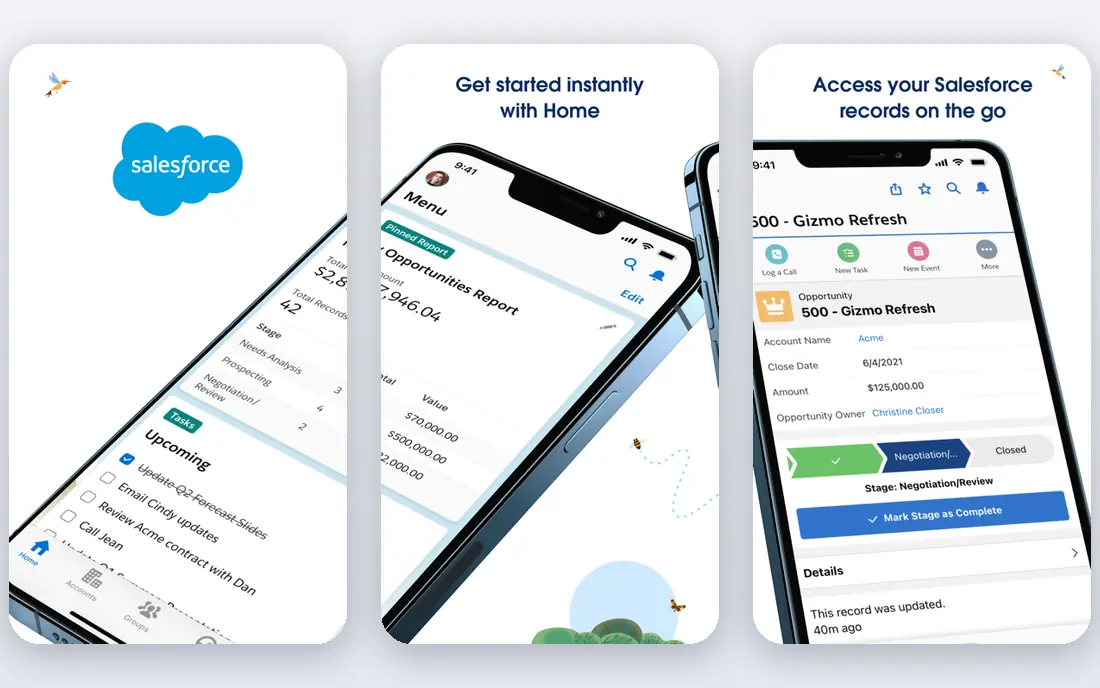
Start with Salesforce Marketing Cloud if enterprise multi-channel campaigns is the main job on your list. Salesforce Marketing Cloud fits enterprises already on Salesforce that run campaigns across email, SMS and other channels at scale. Its journeys and AI scoring draw on Salesforce customer data, which helps large teams personalise campaigns across channels without rebuilding audiences in each tool.
Licensing is complex and total cost often exceeds the entry tier once modules and implementation are added, so get a full quote for your exact channel mix. That trade-off does not rule it out, but it does mean you should test it against your own data and team before you sign a longer contract. A short trial or demo with a real use case will tell you more than a sales page can.
- Multi-channel journeys
- AI scoring and campaign tools
- Deep Salesforce data
- Complex licensing
- Implementation often needs specialist help
- No free plan
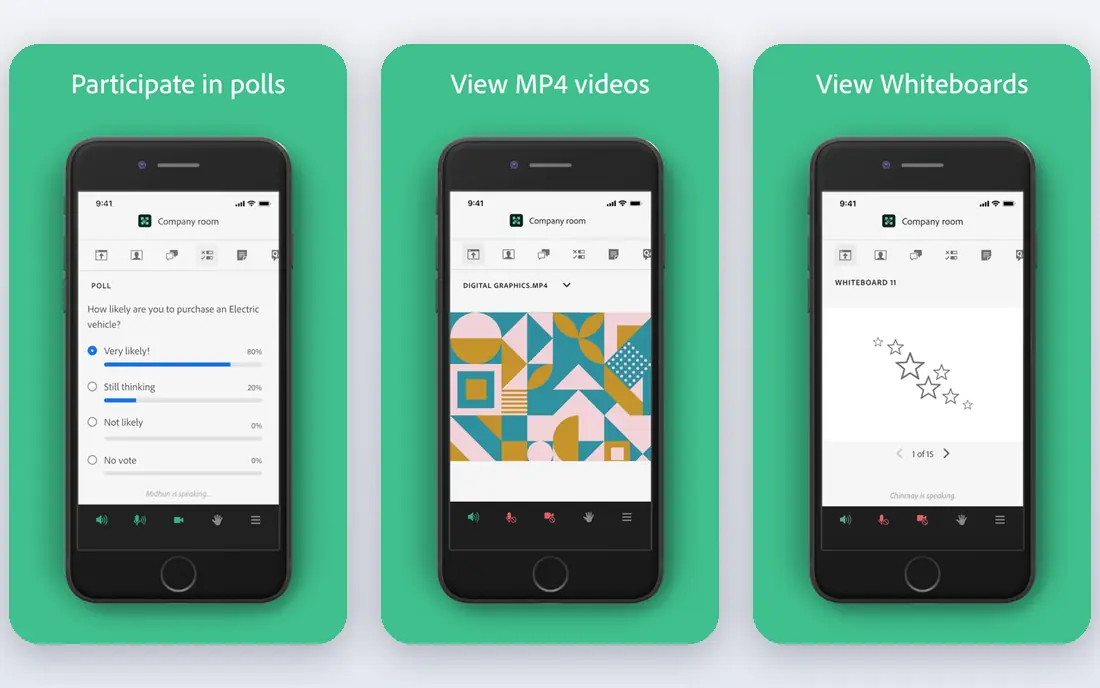
Adobe Marketo Engage stands out for buyers who care most about b2b lead nurturing at scale. Marketo Engage fits B2B teams with long buying journeys and many touchpoints before a sale. Lead scoring, nurturing and journey logic handle complex B2B paths well, and analytics help teams see which programmes influence pipeline.
It is not a quick self-serve buy, so teams without marketing operations support may find setup and ongoing admin heavy. That trade-off does not rule it out, but it does mean you should test it against your own data and team before you sign a longer contract. A short trial or demo with a real use case will tell you more than a sales page can.
- Lead scoring and nurturing
- Complex journey logic
- Strong B2B analytics
- Quote only
- Setup and admin need experience
- Price suits mid-market and enterprise
If your shortlist is built around newsletters and simple automation, Mailchimp deserves a close read. Mailchimp fits small businesses that mainly send newsletters and simple automated emails. Its builder and templates make a decent campaign fast, and the free tier lets a new list start without a monthly bill.
As lists and automation needs grow, per-contact pricing and limits on advanced journeys can push teams toward ActiveCampaign or HubSpot. That trade-off does not rule it out, but it does mean you should test it against your own data and team before you sign a longer contract. A short trial or demo with a real use case will tell you more than a sales page can.
- Easy email builder
- Audience tools
- Simple automations
- Free starter tier
- Costs rise with contacts
- Advanced automation lags deeper rivals
Buyers who put deep automation for small businesses first will find ActiveCampaign easy to justify. ActiveCampaign fits small and mid-sized teams that want serious automation without enterprise pricing. Its automation builder handles branching, scoring and multi-step journeys with more depth than most tools at this price, and the built-in CRM keeps sales follow-up close.
There is no free plan, and complex automations take time to learn, so start with a few core journeys and expand once they run well. That trade-off does not rule it out, but it does mean you should test it against your own data and team before you sign a longer contract. A short trial or demo with a real use case will tell you more than a sales page can.
- Strong automation builder
- CRM and email together
- Good value for depth
- No free plan
- Learning curve for complex automations
Klaviyo is the option we point to when e-commerce email and sms revenue keeps coming up in a brief. Klaviyo fits online stores where email and SMS drive a large share of revenue. Flows for abandoned carts, post-purchase and win-back, plus segmentation from purchase behaviour, make it a revenue tool for stores rather than just a newsletter sender.
Profile based pricing means a large but inactive list still costs money, so clean inactive profiles regularly and budget SMS separately. That trade-off does not rule it out, but it does mean you should test it against your own data and team before you sign a longer contract. A short trial or demo with a real use case will tell you more than a sales page can.
- E-commerce flows and segmentation
- Predictive analytics
- Shopify depth
- Pricing rises with profiles and sends
- SMS adds cost on top
When mobile and multi-channel engagement matters more than a long feature list, Braze fits well. Braze fits app and consumer brands that engage users across mobile, push, email and in-app messages in real time. Its event-driven journeys react to app behaviour as it happens, which suits brands where timing matters more than a weekly newsletter schedule.
Pricing is quote only and sits at enterprise level, so smaller brands will find HubSpot, Klaviyo or Brevo a better value fit. That trade-off does not rule it out, but it does mean you should test it against your own data and team before you sign a longer contract. A short trial or demo with a real use case will tell you more than a sales page can.
- Real-time mobile, push, email and in-app messaging
- Journey canvas
- AI personalisation
- Quote only
- Enterprise pricing
- Implementation needs technical work
Consider Brevo early if budget multi-channel sending is where your current tool falls short. Brevo fits teams with large lists and modest budgets, where send volume matters more than contact count. Pricing by emails sent rather than contacts keeps costs down for a large list that receives few campaigns, and SMS sits in the same account.
Automation depth is lighter than the strongest rivals, so teams with complex branching journeys should test those flows on a trial first. That trade-off does not rule it out, but it does mean you should test it against your own data and team before you sign a longer contract. A short trial or demo with a real use case will tell you more than a sales page can.
- Email and SMS in one bill
- Pricing by sends not contacts
- Simple automation
- Advanced automation is lighter than ActiveCampaign
- Some features need higher tiers
How we picked these
We compared official product and pricing pages, AI features, channel cover and automation depth for AI marketing platforms. We kept platforms that combine audience management with campaigns across at least one major channel and that use AI for content, scoring, timing or personalisation. We favoured tools sold today with clear pricing or a clear quote model, and we set aside single-purpose AI writing tools with no campaign or audience system.
How to choose an AI marketing platform
Start with your channel and data
An e-commerce store needs purchase flows, a B2B team needs lead scoring, and an app brand needs push and in-app messaging. Pick the platform whose core channel matches your revenue, then check AI features inside that channel.
Check what the AI actually does
Ask whether AI drafts content, predicts churn, scores leads, picks send times or personalises journeys, and whether those features are included in your tier. A demo with your own audience segments will show more than a feature list.
Model the price at your real size
Run pricing at your current contacts or sends, then at double that size. Contact based tools grow with list size even when sends stay flat, while send based tools grow with frequency, so the cheapest tool today may not stay cheapest.
FAQ
What is an AI marketing platform?
It is a marketing system that uses AI to help with content creation, audience segmentation, lead scoring, send timing or personalisation across email, SMS, push or other channels. The AI should save time or improve results, not just add a label.
Which AI marketing platform is best for small businesses?
HubSpot, Mailchimp, ActiveCampaign and Brevo all suit small teams, with different strengths. HubSpot suits CRM-led teams, Mailchimp suits newsletters, ActiveCampaign suits automation depth, and Brevo suits large lists on a budget.
Do AI marketing tools replace marketers?
No, they draft, score and automate routine work, but strategy, brand voice and offer decisions still need people. Treat AI output as a draft to review, especially for customer-facing messages.
How much does an AI marketing platform cost?
Entry tiers run from free to about $20 per month for small lists, mid-market tools run into hundreds per month, and enterprise platforms are quoted annually. Always model price at your list size and channel mix.
Can I switch platforms later?
Yes, but migration takes care with lists, consent records, templates and automations. Export clean data, rebuild key journeys in the new tool, and run both systems briefly to avoid losing sends during the move.