Best AEO Checking Tools in 2026: 9 Tools Compared
Compare the best aeo checking tools for AI answers, citations, and brand mentions. We review 9 AEO checking tools and software for marketing teams in 2026.
- Editor's choice
 Profound
Enterprise answer tracking
Starts atSee websiteVisit tryprofound.comFull review - Great alternative
 Otterly.ai
Small budgets
Starts atSee websiteVisit otterly.aiFull review - Also consider
 Peec AI
Citation analytics
Starts atSee websiteVisit peec.aiFull review
TL;DR:
- Profound and Scrunch AI suit larger teams that need deep answer engine reporting.
- Otterly.ai is the lowest-cost way to start checking AI answers regularly.
- Peec AI and AthenaHQ balance prompt tracking with agency-friendly plans.
- The best AEO checking tool is the one that tracks your real buyer questions, not a vendor sample list.
Quick comparison
| Tool | Best for | Starts at | Free plan? | |
|---|---|---|---|---|
| Profound | Enterprise answer tracking | See website | Free trial | Visit |
| Otterly.ai | Small budgets | See website | Free trial | Visit |
| Peec AI | Citation analytics | See website | Free trial | Visit |
 Scrunch AI | Answer monitoring and audits | See website | Free trial | Visit |
 AthenaHQ | Broad model coverage | See website | Free trial | Visit |
 Semrush AI Visibility | Existing Semrush users | See website | Free trial | Visit |
 Ahrefs Brand Radar | Existing Ahrefs users | See website | Free trial | Visit |
 SE Ranking AI | SEO platform users | See website | Free trial | Visit |
 AlsoAsked | Question research | See website | Free trial | Visit |
The best aeo checking tools
We compared these tools on which answer engines they check, how they report citations and mentions, and how clear their prompt limits are.
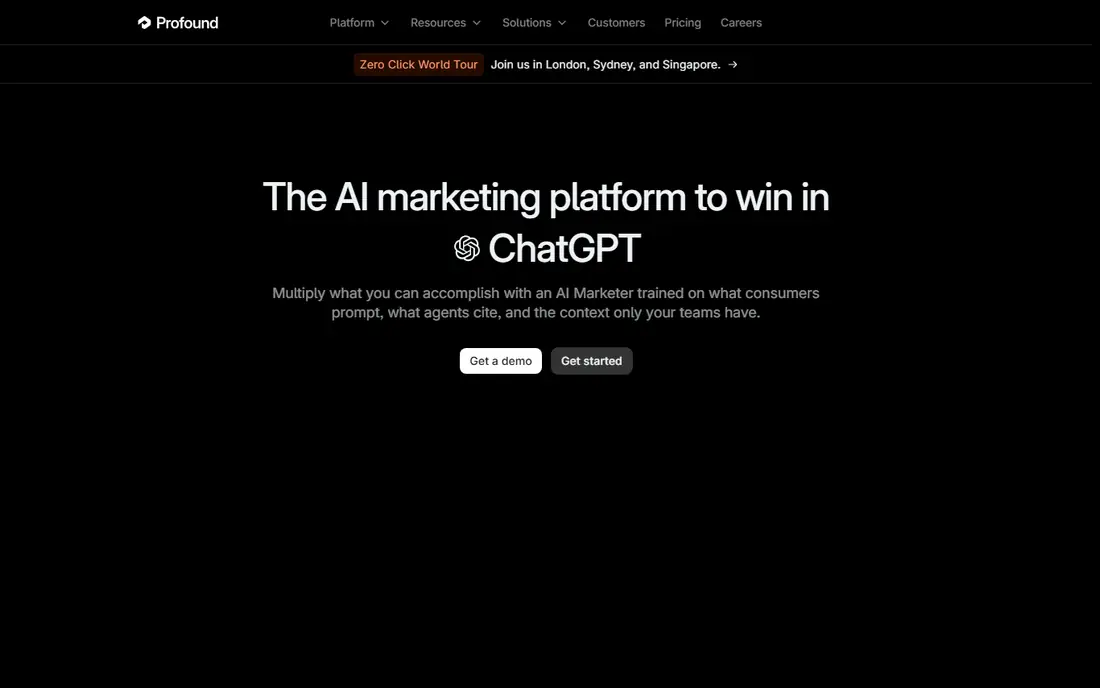
Profound checks how brands appear in answers across many engines, including ChatGPT, Perplexity, Gemini, and Google AI features. It reports mentions, citations, and prompt trends, which helps large teams see where rivals win answers. Enterprise reporting makes it easier to share results with leadership.
Small teams may find the scope and cost heavy for a short prompt list. Entry options are limited, and full coverage sits on higher tiers. For a large brand with many markets, Profound gives the most complete checking view in this list.
- Broad engine coverage
- Prompt volume and citation analysis
- Enterprise reporting
- Sales-led pricing for larger plans
- More than small teams need
Otterly.ai is the simplest way to start checking AI answers on a regular schedule. It tracks a short prompt list across major engines and shows whether your brand is named and which pages are cited. Setup is quick, and reports stay readable for non-specialists.
Prompt limits on entry plans will bind teams with large topic lists. Adding prompts or engines raises cost, so plan your core questions first. As a first AEO checking tool, Otterly.ai gives real data without a large contract.
- Low entry price
- Daily checks
- Simple citation reports
- Smaller prompt limits
- Fewer engines than enterprise tools

Peec AI focuses on the sources behind AI answers, showing which pages get cited and where your content has gaps. That view helps content teams decide which pages to improve first. Unlimited seats on many plans also help agencies and larger marketing teams share results.
Check engine coverage before subscribing, since the models included vary by plan. Peec AI is mainly a checking and analysis tool, not a full content production suite. If your goal is to measure answers and fix citations, that focus fits well.
- Daily tracking
- Source and gap reports
- Unlimited seats on many plans
- Engine choice varies by plan
- Some analysis sits on higher tiers
Scrunch AI pairs answer monitoring with site audits, so teams can see both the answer and the page problem behind it. Citation graphs show how sources connect, and crawler insights reveal pages that AI systems struggle to read. That combination suits technical SEO teams.
Entry pricing sits above budget tools, and audit findings still need developer time to fix. Teams without that capacity may not use the deeper features. For brands that want checking plus concrete fixes, Scrunch AI is a strong option.
- Citation graph analysis
- AI crawler insights
- Site audit tools
- Higher entry price
- Audits need technical follow-through
AthenaHQ checks answers across many models, which helps brands whose buyers use different chatbots and search features. Its credit system covers tracking volume, and recommendations point to pages that could improve citation chances. That breadth suits mid-size teams with diverse audiences.
Read the credit rules closely before subscribing, since large prompt lists use credits faster than expected. Model your monthly volume with real prompts, not vendor samples. If broad coverage matters most, AthenaHQ delivers it in one dashboard.
- Wide engine coverage
- Credit-based tracking
- Content recommendations
- Credit math needs care
- Heavy use raises cost
Semrush AI Visibility is the natural AEO checking choice for teams already using Semrush for SEO. Mentions and cited sources sit alongside keyword and site data, so teams do not need a separate login for basic AI checks. That integration saves time for SEO-led teams.
Teams that do not use Semrush will find a standalone tool cheaper for AEO checking alone. AI Visibility pricing also varies by plan and add-on status, so confirm total cost. For current Semrush users, starting here avoids duplicate tooling.
- Fits existing SEO workflows
- Mentions and sources view
- Large platform support
- Requires a Semrush plan
- AI tool is an add-on for some users
Ahrefs Brand Radar adds AI answer checking to the Ahrefs platform, tracking brand mentions across AI platforms alongside classic search data. Teams that already rely on Ahrefs for backlinks and keywords can add AI visibility without learning a new system. That convenience is its main draw.
Standalone buyers may get more prompt volume elsewhere for the same money. Prompt limits also depend on the Ahrefs plan and add-on. If Ahrefs is already part of your workflow, Brand Radar is a sensible first AEO checking step.
- AI prompt tracking inside Ahrefs
- Brand mention views
- Strong search data alongside
- Prompt limits vary by plan
- Best value only for Ahrefs users
SE Ranking bundles AI prompt tracking into its SEO platform, which suits agencies and small SEO teams that want one subscription for ranks, audits, and AI checks. Reports are clear, and agency plans help manage multiple clients. That bundling keeps costs and logins simpler.
Specialist AEO tools offer deeper citation and sentiment analysis. SE Ranking is better as a combined SEO and AEO starting point than as a deep research platform. If your team already uses SE Ranking, its AI features are an easy way to begin checking answers.
- AI prompts bundled with SEO tools
- Clear reporting
- Agency options
- AI depth is less than specialist tools
- Limits vary by plan
AlsoAsked is different from the trackers above: it maps the questions people ask around a topic, based on People Also Ask data. That makes it useful for building the prompt list that an AEO checking tool should track. Without good questions, even the best tracker measures the wrong things.
It does not track AI answers over time on its own, so pair it with Otterly.ai, Peec AI, or another tracker. Used together, AlsoAsked finds the questions and the tracker measures the answers. For teams starting AEO work, that pairing is practical and low cost.
- People Also Ask question maps
- Useful for prompt list building
- Low cost
- Not a full AI answer tracker
- Needs pairing with a tracking tool
How we picked these
We compared official feature pages, pricing pages, platform listings, privacy policies, and public reviews for each tool. We favored tools that were actively sold in October 2026, that checked at least two major answer engines or helped build AEO prompt lists, and that published clear plan limits. We did not claim hands-on testing, and we left out tools that only offered a one-time audit with no ongoing checking.
How to use AEO checking tools well
Start by listing the questions your buyers ask before they buy, plus comparison questions that name rivals. Feed those exact questions into your checking tool, rather than generic industry terms. Then review mentions, citations, and sentiment weekly, and assign one owner to act on the findings.
Turn checks into content fixes
A checking tool only helps when its findings change pages. For each prompt you lose, check whether a clear, factual page exists that answers it directly, and whether that page is easy for AI crawlers to read. Add concise answers near the top, cite sources, and use clear headings. Re-check after changes, and judge progress over weeks, not single days, since AI answers shift often.
FAQ
What is the best aeo checking tool for small teams?
Otterly.ai is a strong small-team starting point because entry cost is low and reports are simple. Pair it with AlsoAsked to build a good prompt list. Expand to Peec AI or AthenaHQ only when your prompt list and reporting needs outgrow the entry plan.
What is the best aeo checking software for agencies?
Peec AI and SE Ranking suit agencies because they offer multi-client handling and client-ready reports. Check seat rules, data separation, and whether white-label reporting costs extra. Trial each tool with one real client before moving a full client list over.
What is the best aeo checking tool for existing SEO users?
Semrush AI Visibility suits Semrush users, while Ahrefs Brand Radar suits Ahrefs users. Both add AI checks inside a workflow your team already knows. Compare total cost, including add-ons, against a standalone tracker before deciding.
How is AEO checking different from SEO rank tracking?
SEO rank tracking shows where pages sit in classic search results. AEO checking shows what AI engines say in answers, whether your brand is named, and which pages are cited. Both views matter, since a strong search rank does not guarantee an AI mention. Use them together to guide content work.
How many prompts should I track?
Start with twenty to fifty real buyer questions, including comparisons and product questions. That range gives useful trends without overwhelming a small team. Expand only when you can review the results and act on them each week, since unused data adds cost without value.