Best Accounting Software for SaaS Companies: 9 Tools Compared
We compared the best accounting software for saas companies on revenue recognition, billing, close speed and scale, so SaaS finance teams can pick well.

- Editor's choice
 QuickBooks Online
Early stage SaaS in the US
Starts at$38 per monthVisit quickbooks.intuit.comFull review - Great alternative
 Xero
Global teams and unlimited users
Starts at$25 per monthVisit xero.comFull review - Also consider
 Sage Intacct
Mid market audit ready finance
Starts atSee websiteVisit sage.comFull review
TL;DR:
- SaaS accounting is different because cash collected upfront must be recognized over the subscription term, not booked as income on day one.
- QuickBooks Online and Xero suit early stage SaaS, while Sage Intacct and NetSuite suit larger companies with audit, multi entity and deferred revenue needs.
- Maxio, Puzzle and Stripe Revenue Recognition add billing and revenue recognition depth that a general ledger alone may lack.
- Ask your accountant or auditor which system they prefer before you buy, because their familiarity affects close speed and audit cost.
- This is general information only, not accounting or tax advice, and revenue rules should be confirmed with a qualified professional.
Quick comparison
| Tool | Best for | Starts at | Free plan? | |
|---|---|---|---|---|
| QuickBooks Online | Early stage SaaS in the US | $38 per month | No | Visit |
| Xero | Global teams and unlimited users | $25 per month | No | Visit |
| Sage Intacct | Mid market audit ready finance | See website | No | Visit |
 Oracle NetSuite | Large multi entity SaaS | See website | No | Visit |
 FreshBooks | Service heavy SaaS billing | $23 per month | No | Visit |
 Zoho Books | Budget teams in Zoho ecosystem | $20 per month | Yes | Visit |
 Wave | Pre revenue solo founders | Free | Yes | Visit |
 Maxio | B2B SaaS billing and revenue recognition | See website | No | Visit |
 Puzzle | AI native startup accounting | See website | Free trial | Visit |
The best accounting software for SaaS companies
We compared ledgers and revenue tools on deferred revenue handling, billing integration, close workflows, multi entity support and price transparency. Prices below reflect vendor list prices reported in 2026 research, and you should confirm current pricing on each vendor site before buying.
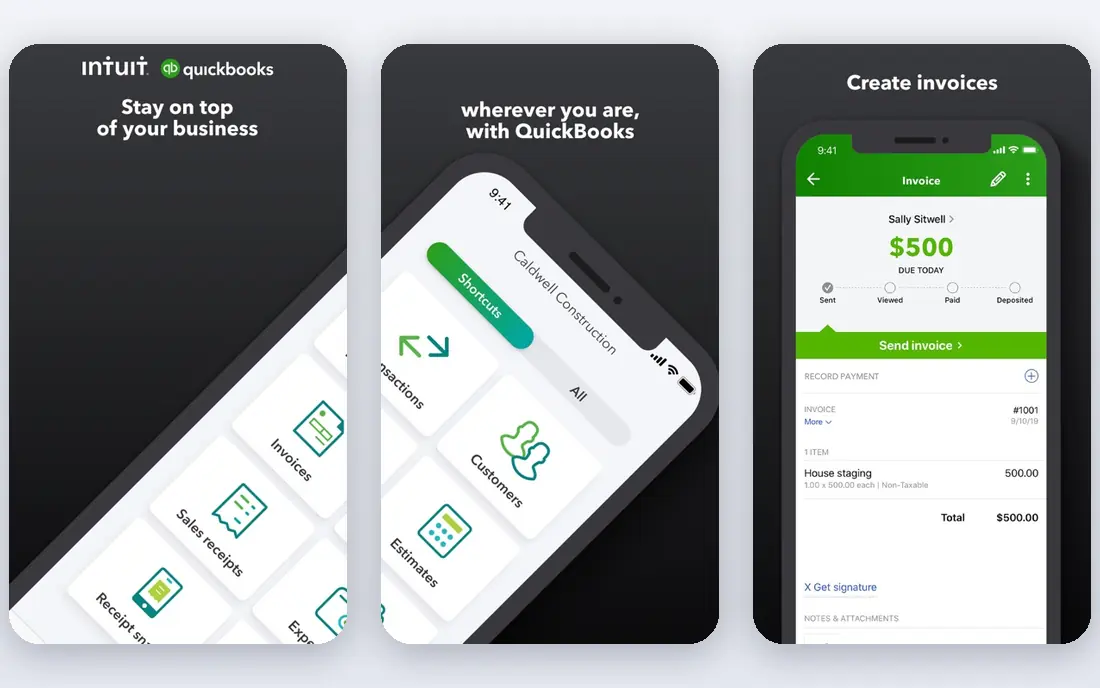
QuickBooks Online is the default ledger for many early stage SaaS companies, mainly because accountants, bookkeepers and app vendors know it well. Invoicing, bank reconciliation, expense tracking and payroll integrations cover the core needs of a seed to early growth company. The app ecosystem also makes it easy to add billing, expense and reporting tools as you grow.
The limit appears as subscription complexity grows. Deferred revenue schedules, multi element arrangements and detailed revenue waterfalls need add ons or spreadsheets, which become fragile before a fundraise. Use QuickBooks Online while your plans are simple, and plan a move to Sage Intacct or NetSuite when revenue recognition becomes a monthly burden.
- Widest accountant familiarity in the US
- Deep app ecosystem
- Strong invoicing and bank feeds
- Revenue recognition is basic without add ons
- Costs rise with users and tiers
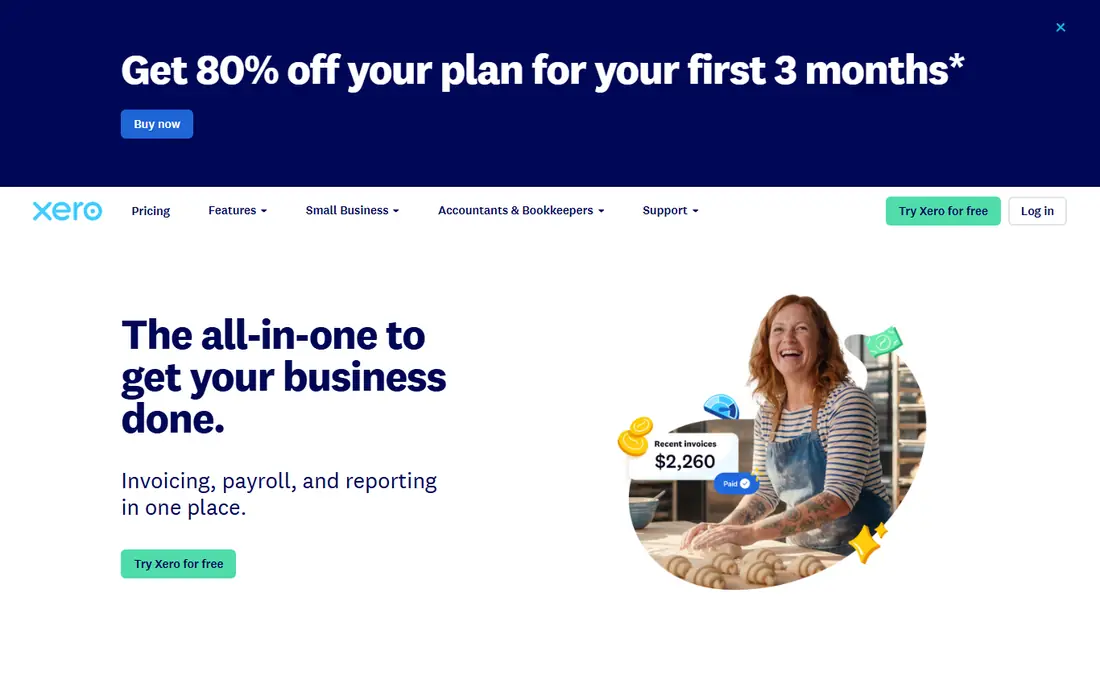
Xero suits SaaS teams with global staff, contractors or advisors who all need ledger access, because every plan allows unlimited users. Bank feeds, invoicing and multi currency support are strong, and the interface is easier for non accountants than many mid market systems. That combination makes Xero a good early ledger for companies outside the US or with distributed teams.
Like QuickBooks Online, Xero needs a revenue recognition add on for complex SaaS schedules. US companies should also check payroll, sales tax and accountant familiarity before choosing Xero over QuickBooks. If your team is global and your plans are straightforward, Xero offers good value and a gentler learning curve.
- Unlimited users on every plan
- Strong bank feeds and multi currency
- Clean interface
- Revenue recognition needs add ons
- US payroll and tax support is less deep than QuickBooks
Sage Intacct is the step up many SaaS companies take when audits, investors and multi entity reporting demand stronger controls. Revenue recognition, deferred revenue waterfalls, approvals and dimensional reporting are built for finance teams, not bolted on through spreadsheets. Multi entity consolidation also helps companies with subsidiaries or international entities.
Pricing is quote based and implementation needs professional services, so total cost is far higher than QuickBooks Online or Xero. That cost is justified when close speed, audit readiness and investor reporting become priorities. If you are still pre revenue or on simple monthly plans, Sage Intacct is more system than you need.
- Strong revenue recognition and controls
- Multi entity consolidation
- CPA firm ecosystem
- Quote based pricing
- Implementation needs professional help
Oracle NetSuite combines accounting, revenue management, billing, inventory and CRM in one ERP, which suits larger SaaS companies with many entities, currencies and complex operations. Its Advanced Revenue Management module handles subscription schedules and recognition rules at a scale that general ledgers cannot match. For a company preparing for IPO level reporting, that depth matters.
Cost and implementation time are the barriers. NetSuite projects need experienced partners, data migration planning and staff training, and small teams can struggle with its breadth. Choose NetSuite when your scale, entity count and audit needs clearly exceed Sage Intacct, not simply because it is the largest name on this list.
- Full ERP with revenue management
- Multi subsidiary and currency support
- Broad module range
- High cost and long implementation
- Heavy for small finance teams
FreshBooks suits SaaS companies with a strong services element, where time tracking, project billing and client invoicing matter as much as subscriptions. Its interface is friendly for founders who handle billing themselves, and clients receive clear invoices and payment options. For a small team selling a mix of software and services, that billing ease is a real advantage.
Accounting depth is lighter than QuickBooks Online or Xero, so a growing SaaS company will eventually need a stronger ledger for deferred revenue and close controls. Treat FreshBooks as a billing led starting point, not a long term finance system for a scaling subscription business. Pair it with an accountant who can advise when to migrate.
- Easy invoicing and time tracking
- Client friendly billing
- Good for service led SaaS
- Accounting depth is lighter than QuickBooks or Xero
- Revenue recognition is basic
Zoho Books offers a low cost ledger with invoicing, bank feeds, expense tracking and workflow automation, plus a free tier for businesses under a revenue threshold. Teams already using Zoho CRM, Zoho Projects or Zoho Desk get extra value from shared data and single sign on. For a bootstrapped SaaS team, that price and integration mix is hard to beat.
The trade-offs are revenue recognition depth and accountant familiarity in the US. Complex subscription schedules still need spreadsheets or add ons, and some accountants prefer QuickBooks Online or Xero. If your plans are simple and your budget is tight, Zoho Books is a sensible start, with a clear migration path later.
- Low starting price
- Free tier for small revenue
- Zoho app integration
- Revenue recognition is limited
- US accountant familiarity is lower than QuickBooks
Wave gives solo founders free invoicing, accounting and receipt tools, which is enough to track early spending, send invoices and prepare for tax filing. Setup is fast, and the interface avoids the complexity that overwhelms first time founders. For a pre revenue SaaS project with one founder, Wave removes cost as a barrier to keeping clean books.
Wave is not a SaaS finance system. It lacks strong deferred revenue, billing automation and multi user controls, so a funded team with subscriptions, staff and investors will outgrow it quickly. Use Wave to start clean, then move to QuickBooks Online or Xero when you hire, raise money or sell subscriptions at volume.
- Free invoicing and bookkeeping
- Simple setup
- Good for solo operators
- Limited SaaS revenue features
- Paid add ons for payroll and payments
Maxio, formerly Chargify and SaaSOptics combined, focuses on subscription billing and revenue recognition for B2B SaaS companies. It handles complex billing, proration, usage and revenue schedules, and it produces metrics finance teams use for board and investor reporting. For a SaaS company whose billing complexity exceeds its ledger, Maxio fills the gap without forcing a full ERP move.
Maxio is usually paired with a general ledger such as QuickBooks Online, Xero or NetSuite, so buyers should budget for both systems and their integration. Pricing is quote based and tied to billing volume. If billing and revenue recognition are your main pain points, Maxio is a strong specialist choice.
- Full billing and revenue recognition for B2B SaaS
- Subscription metrics
- Finance owned billing
- Quote based pricing
- Best as a billing layer alongside a ledger, not a standalone ledger
Puzzle is an AI native accounting platform built for startups, with automated categorization, real time dashboards and links to Stripe billing. That design suits venture backed SaaS teams that want a faster close and clearer burn and revenue views without a large finance team. Its modern interface also appeals to founders who find legacy ledgers slow.
As a newer vendor, Puzzle lacks the decades long accountant ecosystem of QuickBooks Online or Sage Intacct, so check whether your accountant or auditor will work with it. Also confirm revenue recognition depth for your plan types before committing. For a Stripe billed startup that wants modern tooling, Puzzle is a promising option to pilot.
- AI assisted categorization and close tools
- Startup focused dashboards
- Stripe billing links
- Newer vendor than Intuit or Sage
- Accountant familiarity still building
How we picked these
We compared official pricing pages, revenue recognition features, billing integrations and SaaS specific guidance from vendor and independent research published in 2026. We favored tools with real SaaS customers, clear billing or recognition workflows and a distinct stage fit, from pre revenue to enterprise. We did not run live closes ourselves, and we advise confirming current pricing and recognition features on vendor sites, because plans change.
How to choose SaaS accounting by stage
The right system depends on your stage more than on feature lists. Use the stage guide below to avoid buying an ERP too early or staying on a simple ledger too long.
Pre revenue to seed stage
Use Wave, Zoho Books or QuickBooks Online, depending on budget and accountant preference. Keep invoicing, bank feeds and expense tracking clean, and use a simple spreadsheet for deferred revenue only if you have very few annual plans. The goal at this stage is clean books and a fast tax filing, not a complex revenue engine.
Early growth with subscriptions
Use QuickBooks Online or Xero plus a billing tool such as Stripe Billing or Maxio when annual plans, upgrades and proration create monthly spreadsheet work. Set up deferred revenue schedules, reconcile billing to the ledger each month and review churn and expansion metrics alongside finance reports. This is the stage where a billing layer pays for itself.
Mid market and audit ready stage
Use Sage Intacct or NetSuite when audits, multi entity reporting, investor diligence or IPO planning demand stronger controls. Budget for implementation, data migration and training, and involve your auditor early in configuration choices. A rushed ERP move can slow your close, so plan the switch in a quiet month and run parallel closes if possible.
Check billing integration before you buy
Confirm that your billing system, payment processor and ledger share customer, invoice and revenue data without manual rekeying. Test upgrade, downgrade, refund and failed payment flows, because those edge cases create the most reconciliation work. A clean integration saves more finance time than any single reporting feature.
FAQ
What is the best accounting software for saas companies?
QuickBooks Online suits many early stage SaaS companies, Xero suits global teams, Sage Intacct suits mid market audit ready teams, and NetSuite suits large multi entity companies. Maxio adds billing and revenue recognition depth alongside a ledger. Choose by stage, plan complexity and accountant preference, not by brand size alone.
How does SaaS revenue recognition work?
Under ASC 606, revenue is recognized when you deliver the service, not when cash is collected, so an annual payment is spread across the subscription term as a liability called deferred revenue. Tools with recognition schedules automate that spread and produce waterfall reports for auditors. Simple ledgers need spreadsheets or add ons to do the same work, which becomes risky as volume grows.
Do I need Maxio if I already use QuickBooks Online?
You may need it if billing complexity, proration, usage billing or revenue schedules create heavy spreadsheet work each month. Many early SaaS companies manage with QuickBooks Online plus Stripe Billing, then add Maxio when plans multiply. Compare the time your finance team spends on billing each close against Maxio cost before you decide.
Is Xero better than QuickBooks Online for SaaS?
Xero is often better for global teams because every plan allows unlimited users and multi currency support is strong. QuickBooks Online is often better for US companies because accountant familiarity, payroll and tax integrations are deeper. Check which system your accountant prefers and which billing tools you use, because those two factors usually decide the winner.
When should a SaaS company move to NetSuite or Sage Intacct?
Move when audits, multi entity consolidation, complex revenue rules or investor reporting make your current ledger and spreadsheets slow or risky. Signs include a close that takes weeks, revenue schedules maintained by one person in a spreadsheet, and audit findings about controls. Plan the move early, because ERP implementation takes months and should not collide with a fundraise.
What is deferred revenue in SaaS accounting?
Deferred revenue is cash collected for a subscription before the service is delivered, recorded as a liability until each month of service is provided. As each month passes, part of that liability moves to recognized revenue. Tracking it correctly matters for investor reports, tax and audits, because booking all cash as income at sale overstates revenue and hides future obligations.