Best Alternatives to Moz Keyword Explorer in 2026: 8 Tools Compared
Need alternatives to Moz Keyword Explorer? Compare 8 keyword research tools on database size, difficulty scores, search volume data, and monthly price.
- Editor's choice
 Ahrefs
Deep keyword and backlink data
Starts at$29 per monthVisit ahrefs.comFull review - Great alternative
 Semrush
All-in-one keyword and competitor research
Starts at$139 per monthVisit semrush.comFull review - Also consider
 Mangools
Beginner-friendly long-tail research
Starts at$29 per monthVisit mangools.comFull review
TL;DR:
- Ahrefs and Semrush are the strongest direct replacements, with larger keyword databases, difficulty scores, and SERP data than Moz Keyword Explorer.
- KWFinder through Mangools is the easiest option for beginners, with clear volume and difficulty data at a lower entry price.
- SE Ranking and Serpstat give agencies keyword research plus rank tracking and audits in one subscription, which can replace several tools at once.
- Free options such as Keyword Tool and Ubersuggest are useful for idea generation, but they lack the depth needed for competitive keyword planning.
- Judge a tool by traffic potential and SERP reality, not volume alone, because a high-volume keyword can still be a poor target if the results page is dominated by strong sites.
Quick comparison
| Tool | Best for | Starts at | Free plan? | |
|---|---|---|---|---|
| Ahrefs | Deep keyword and backlink data | $29 per month | Yes | Visit |
| Semrush | All-in-one keyword and competitor research | $139 per month | Yes | Visit |
| Mangools | Beginner-friendly long-tail research | $29 per month | Yes | Visit |
 SE Ranking | Agencies wanting research plus tracking | $129 per month | Free trial | Visit |
 Ubersuggest | Budget keyword research | $29 per month | Yes | Visit |
 Serpstat | Mid-priced all-in-one research | See website | Yes | Visit |
 SpyFu | Competitor keyword and ad research | See website | Yes | Visit |
 Keyword Tool | Fast autocomplete keyword ideas | See website | Yes | Visit |
The best alternatives to Moz Keyword Explorer
Moz Keyword Explorer is known for clear difficulty scores, volume ranges, and SERP analysis. These eight tools cover the same research job, with different strengths on database size, price, and extra SEO features.

Ahrefs Keywords Explorer is our pick for most serious keyword researchers. It shows search volume, keyword difficulty, clicks, traffic potential, and the parent topic that groups related searches, which helps you plan one strong page instead of many thin ones. The SERP overview shows who ranks, how strong those pages are, and how much traffic the top result actually gets.
The Starter plan at $29 per month is a low-cost entry point, but it is built for a single site owner rather than an agency. Teams that need competitor research at scale, large rank tracking, or API access will need a higher tier. If keyword accuracy is your top priority, Ahrefs is still the benchmark many other tools are judged against.
- Very large keyword database
- Traffic potential and parent topic data
- Strong SERP overviews
- Starter limits are tight for agencies
- Higher tiers cost much more
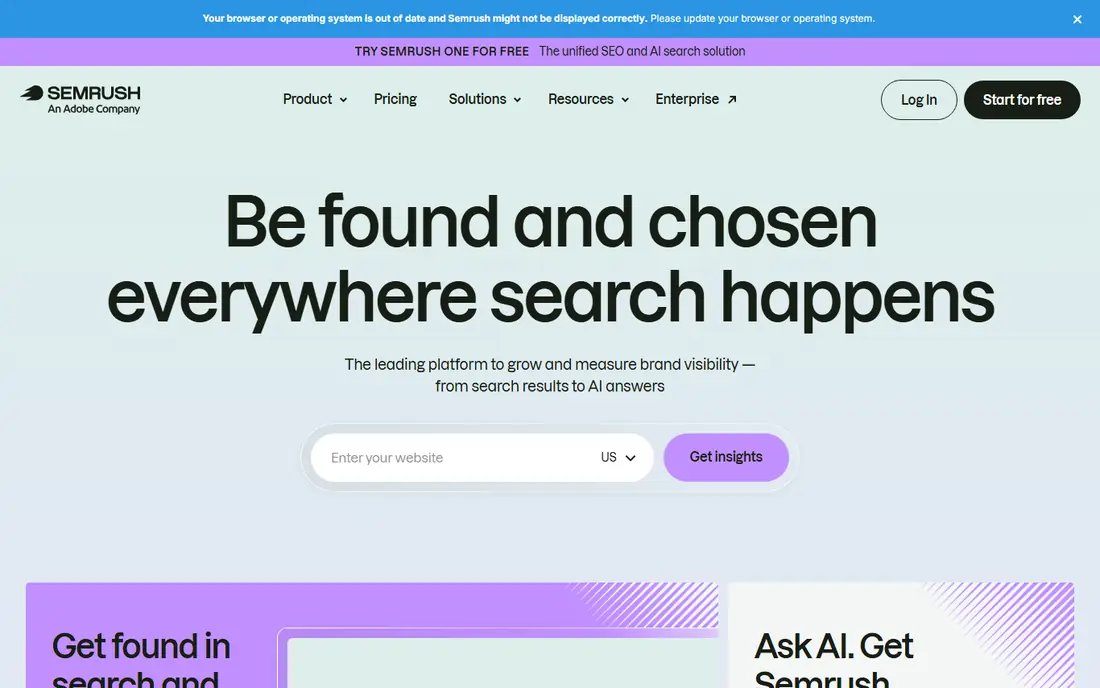
Semrush Keyword Magic Tool is the best choice if keyword research is part of a wider marketing job. It generates large lists from a seed keyword, groups them by topic and intent, and shows difficulty, volume, and SERP features. You can then check what competitors rank for, what ads they run, and where content gaps exist, all without leaving the suite.
The price is the main barrier. At $139 per month for the entry paid plan, Semrush costs more than Moz or Mangools, and small sites may not use the PPC and social tools that help justify it. For agencies and in-house teams that already need competitor and content tools, the combined value is strong.
- Keyword Magic Tool with intent and grouping
- Huge database
- Competitor and PPC data included
- High entry price
- Free account is limited to a small number of reports per day
Mangools, through KWFinder, is the closest tool to Moz in spirit: simple, readable, and focused on helping you pick keywords you can actually rank for. It shows volume, difficulty, trend data, and the strength of pages already ranking, in a layout that does not require SEO training to read. A free account gives a small number of lookups per day, which is enough to test the workflow.
The limits show up on larger projects. Daily caps, a smaller backlink index, and less competitor depth mean agencies will outgrow Mangools faster than Ahrefs or Semrush. For bloggers, freelancers, and small businesses doing their own research, it remains one of the best value options.
- KWFinder is clear and fast
- SERPChecker previews result pages
- Simple interface for new users
- Daily lookup caps on lower plans
- Backlink data is thinner than Ahrefs
SE Ranking is a practical agency alternative, because keyword research sits alongside rank tracking, site audits, and competitor checks in one subscription. Its keyword research tool covers many locations, and its grouping tool helps turn a long list into a page plan. That combination suits teams that research, publish, and then track the same keywords over time.
It does not match the raw database size of the two leaders, and historical data limits differ by plan, so check those details if long-term trends matter to you. For teams that want one tool for research and tracking at a predictable price, SE Ranking is a solid middle choice.
- Keyword research plus rank tracking and audits
- Keyword grouping tool
- Good location coverage
- Database is smaller than Ahrefs and Semrush
- History limits vary by plan
Ubersuggest is built for users who want keyword ideas, volume, difficulty, and basic competitor data without a large monthly bill. Its interface is straightforward, and it adds content ideas and site audit basics, which helps small site owners move from research to action. A limited free plan lets you test searches before paying.
Data depth is the compromise. Volume estimates, backlink counts, and competitor coverage are less precise than Ahrefs or Semrush, so treat Ubersuggest as a planning tool rather than a final authority. For a tight budget, a new site, or a first keyword project, it is a sensible starting point.
- Low entry price and lifetime option
- Simple keyword ideas and content suggestions
- Free limited plan
- Keyword and backlink data lag the leaders
- Daily caps apply
Serpstat is a good option for teams that need a full suite but cannot justify the top-tier prices. It offers keyword research, competitor analysis, rank tracking, backlink checks, and site audits, with particular strength for teams working outside the United States. A free account gives a taste of the data before you commit to a paid plan.
The main drawback is scale. Its keyword database is smaller than Ahrefs or Semrush, and some sections feel less polished. If your market is mainly US-focused and you need the deepest data, a leader may serve you better. For international teams and mid-size agencies, Serpstat offers strong value.
- Keyword, backlink, rank, and audit tools in one suite
- Strong coverage outside the US
- Team-friendly pricing
- Database is smaller than the leaders
- Interface quality varies by section
SpyFu takes a different angle from Moz, by starting with competitors rather than a seed keyword. Enter a rival domain and you can see the keywords it ranks for, the ads it has run, and how that mix has changed over time. That history is useful for finding proven keywords, spotting ad strategies, and building a realistic content plan.
It is less strong as a standalone discovery tool, because its keyword lists are tied closely to competitor data and its audit features are basic. Pair SpyFu with a discovery tool such as Ahrefs, Semrush, or KWFinder if you need both angles. For competitor-led research, it is a distinctive and useful addition.
- Long competitor keyword and ad history
- Unlimited keyword data on paid plans
- Easy competitor comparisons
- Weaker for fresh keyword discovery
- Audit and content tools are limited
Keyword Tool is the simplest tool on this list, and sometimes simple is what you need. It pulls autocomplete suggestions from Google, YouTube, Bing, Amazon, and other platforms, giving you long-tail phrasing that real people actually type. That makes it useful for brainstorming, FAQ content, and video or shopping topics.
The free version does not show full volume, competition, or cost data, so you will need a paid plan or a second tool to judge which ideas are worth targeting. Use Keyword Tool at the start of research to expand your list, then validate the best ideas in Ahrefs, Semrush, or SE Ranking before you publish.
- Very fast autocomplete ideas from search engines and platforms
- No account needed for basic searches
- Useful for long-tail ideas
- Free version hides volume and competition data
- Paid plans needed for full metrics
How we picked these
We compared official feature pages, pricing pages, and keyword database claims, and we required each tool to offer keyword volume, difficulty, and SERP or competitor data in October 2026. We weighted database size, difficulty accuracy, grouping and intent features, extra SEO tools, and price. Tools that only generate ideas without metrics, or only track rankings without research, did not make the list on their own.
How to judge a keyword like a pro
Start with intent, not volume. A keyword with modest volume but clear buying or learning intent often beats a high-volume term that brings visitors who leave fast. Check the results page next: if the top results are strong, established pages with many links, a new site will struggle even if the difficulty score looks moderate.
Then check traffic potential, not just search volume. Some keywords get many searches but few clicks, because answers appear directly on the results page. Ahrefs traffic potential, Semrush traffic estimates, and SERP feature data all help here. Finally, group related keywords into one page plan, rather than writing a separate thin page for every variation.
Avoiding common research mistakes
Do not chase volume alone, do not trust a single difficulty score without checking the SERP, and do not build a list you never publish. A short list of winnable keywords with a clear page plan beats a spreadsheet of thousands of terms. Re-check rankings after publishing, and update pages that stall, rather than starting fresh research every month.
FAQ
What is the best free alternative to Moz Keyword Explorer?
Keyword Tool and Ubersuggest both offer useful free searches for idea generation, and Ahrefs Webmaster Tools gives free keyword data for sites you own. For full volume and difficulty data without paying, Mangools free account is also worth testing, though daily lookups are capped.
Is Ahrefs or Semrush better for keyword research?
Ahrefs is often preferred for keyword difficulty, traffic potential, and backlink-linked SERP analysis, while Semrush is stronger for topic grouping, intent data, and competitor PPC research. If you mainly do organic research, Ahrefs has a slight edge. If you also run ads or content at scale, Semrush may fit better.
Can KWFinder replace Moz Keyword Explorer?
For many small sites and bloggers, yes. KWFinder covers volume, difficulty, trends, and SERP strength in a simple interface, and it costs less than a full suite. Agencies and teams that need deep competitor data, large databases, or API access will likely need Ahrefs, Semrush, or SE Ranking instead.
How accurate is keyword search volume?
Volume figures are estimates, not exact counts, and they vary between tools because each provider uses different data sources and models. Use volume to compare keywords inside one tool, check trends over time, and validate with traffic potential and actual rankings after publishing, rather than treating any single number as exact.
Do I still need Moz if I switch to one of these tools?
Not for keyword research alone, since every tool here covers that job. You might miss Moz-specific metrics such as Domain Authority if clients ask for them by name, in which case you can keep the free MozBar for quick checks while doing your main research elsewhere.